




Are there any soundproofing ratings for flush double glazing?
As a supplier of flush double glazing, I often get asked about the soundproofing capabilities of our products. Soundproofing is a crucial factor for many homeowners, especially those living in noisy areas such as near busy roads, airports, or industrial zones. In this blog post, I'll delve into the topic of soundproofing ratings for flush double glazing, explaining what they are, how they're measured, and what you should look for when choosing the right windows for your home.
Understanding Soundproofing Ratings
Soundproofing ratings are a way to quantify how well a window can reduce the amount of sound that passes through it. The most common rating used in the industry is the Sound Transmission Class (STC). The STC is a single-number rating that represents the average sound reduction performance of a window over a range of frequencies. The higher the STC rating, the better the window is at blocking sound.
For example, a window with an STC rating of 30 will reduce sound by approximately 30 decibels (dB). This means that if there is a 70 dB noise outside, the noise level inside the room will be reduced to around 40 dB. In general, an STC rating of 30 - 35 is considered good for normal residential applications, while ratings of 40 or higher are recommended for areas with high noise levels.
How Soundproofing is Measured
The STC rating is determined through laboratory testing. During the test, a window is installed in a test chamber, and a known amount of sound is generated on one side of the window. Microphones are placed on both sides of the window to measure the sound levels. The difference in sound levels between the two sides of the window is then used to calculate the STC rating.
It's important to note that the STC rating is a standardized measurement and may not accurately reflect the real-world performance of a window. Factors such as the installation quality, the type of frame, and the presence of air leaks can all affect the actual soundproofing performance of a window.
Soundproofing Features of Flush Double Glazing
Flush double glazing consists of two panes of glass separated by a spacer and sealed around the edges. The air or gas-filled space between the panes acts as an insulator, reducing heat transfer and also helping to block sound. Here are some features that contribute to the soundproofing capabilities of flush double glazing:
- Thickness of the Glass: Thicker glass generally provides better soundproofing than thinner glass. Most flush double glazing units use glass that is between 4mm and 6mm thick. Some high-performance units may use even thicker glass or laminated glass, which has an additional layer of plastic between the glass panes to further reduce sound transmission.
- Gas Filling: The space between the glass panes can be filled with a gas such as argon or krypton. These gases are denser than air and provide better insulation and soundproofing. Argon is the most commonly used gas due to its cost-effectiveness, while krypton is more expensive but offers slightly better performance.
- Sealing: A tight seal around the edges of the window is essential for soundproofing. High-quality flush double glazing units use advanced sealing techniques and materials to prevent air and sound from leaking through the gaps.
Choosing the Right Flush Double Glazing for Soundproofing
When choosing flush double glazing for soundproofing, it's important to consider the following factors:
- STC Rating: Look for windows with a high STC rating. As mentioned earlier, an STC rating of 30 - 35 is suitable for most residential applications, while higher ratings are recommended for noisy areas.
- Frame Material: The frame material can also affect the soundproofing performance of a window. PVC frames are a popular choice as they are lightweight, durable, and provide good insulation. Wooden frames can also offer good soundproofing, but they require more maintenance. Aluminum frames are strong and low-maintenance, but they are not as effective at blocking sound as PVC or wooden frames.
- Installation Quality: Even the best windows will not perform well if they are not installed correctly. Make sure to hire a professional installer who has experience with flush double glazing. A proper installation will ensure a tight seal and minimize air leaks, which can significantly improve the soundproofing performance of the windows.
Our Flush Double Glazing Products
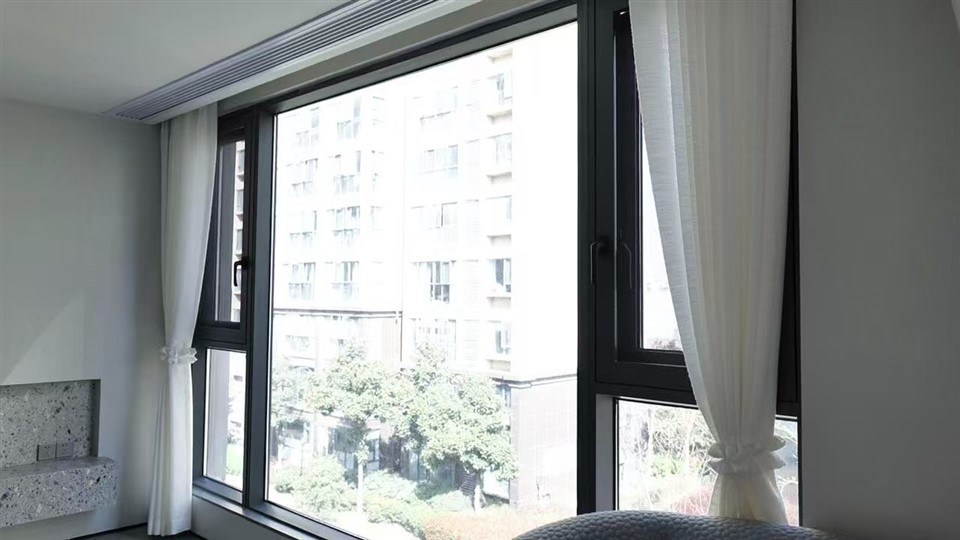
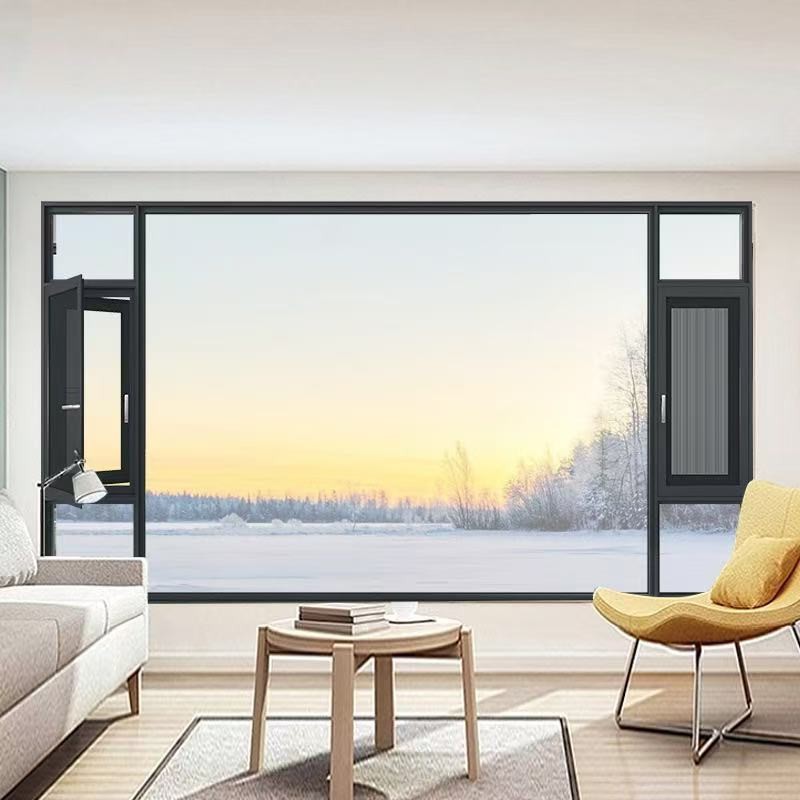
At our company, we offer a wide range of flush double glazing products that are designed to provide excellent soundproofing performance. Our windows are available in different styles, including Double Glazed Casement Windows, Crank Out Casement Window, and Black Casement Windows.
All of our windows are made with high-quality materials and advanced manufacturing techniques to ensure maximum soundproofing and energy efficiency. We use thick glass, gas-filled spacers, and tight seals to provide a quiet and comfortable living environment for our customers.
Conclusion
In conclusion, there are soundproofing ratings for flush double glazing, and the STC rating is the most commonly used measurement. When choosing flush double glazing for soundproofing, it's important to consider the STC rating, the frame material, and the installation quality. At our company, we are committed to providing our customers with the best flush double glazing products that offer excellent soundproofing performance.
If you're interested in learning more about our flush double glazing products or would like to discuss your soundproofing needs, please don't hesitate to contact us. We'd be happy to answer any questions you may have and help you find the right windows for your home.
References
- American National Standards Institute. (2009). ANSI S12.60-2009: Methods for Determining and Reporting Acoustical Performance of Exterior Windows, Curtain Walls, and Doors.
- International Organization for Standardization. (2010). ISO 717-1:2010: Acoustics - Rating of sound insulation in buildings and of building elements - Part 1: Airborne sound insulation.
- Window & Door Manufacturers Association. (2017). AAMA/WDMA/CSA 101/I.S.2/A440-17: North American Fenestration Standard/Specification for Windows, Doors and Skylights.