





A sliding window is a design pattern commonly used in various fields, from computer science algorithms to physical window structures. In the context of Java programming, implementing a sliding window can be a powerful technique for solving problems related to data stream processing, network programming, and more. As a sliding window supplier, we not only deal with physical sliding windows but also understand the importance of the algorithmic concept in software development. This blog will guide you through how to implement a sliding window in Java, and also introduce our range of physical sliding windows for different applications.
Understanding the Sliding Window Concept
The sliding window technique is used to perform a required operation on a specific window size of a given large buffer or array. The window starts from the first element and keeps shifting one element at a time. The technique can reduce the time complexity of a problem by using the result of one window to calculate the result of the next window.
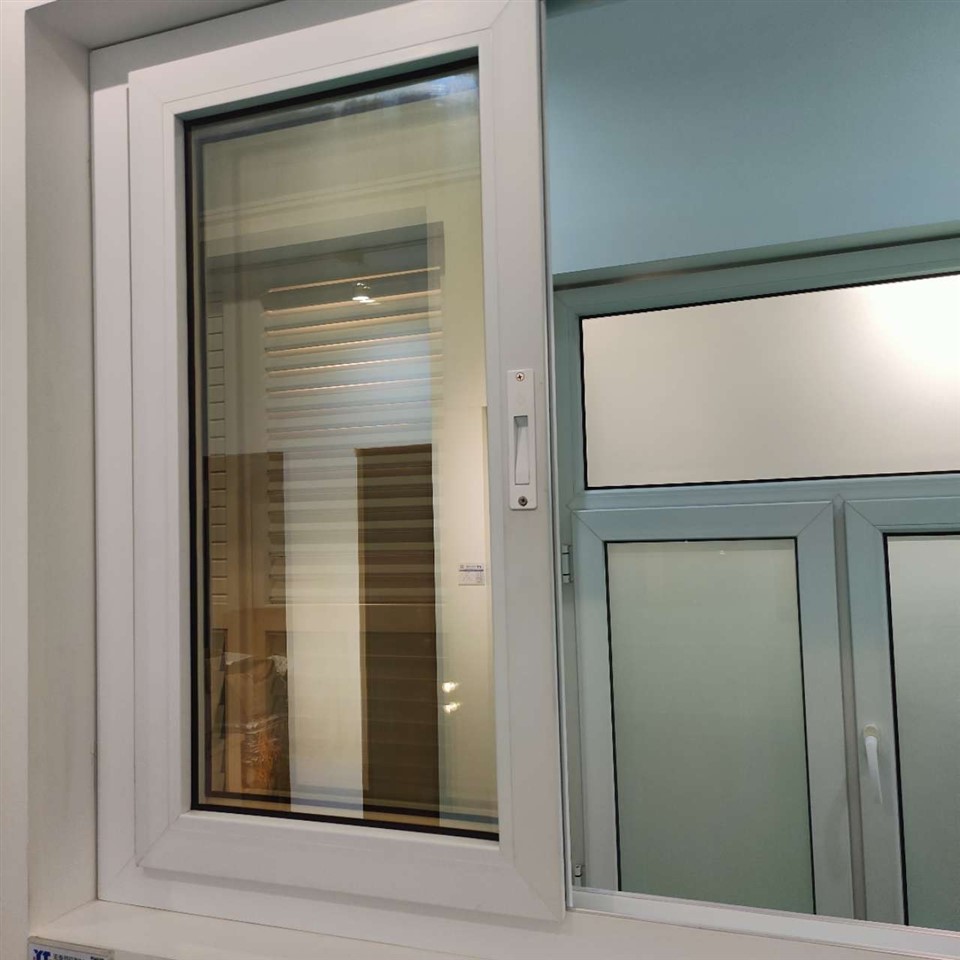
In the real - world, we offer a variety of sliding windows for different settings. For example, our Sliding Office Reception Window is designed to provide a modern and functional look for office reception areas. These windows are made of high - quality glass and have smooth sliding mechanisms, ensuring easy operation and long - term durability.

Implementing a Sliding Window in Java
Let's start with a simple example of finding the maximum sum of a subarray of size k in an array. This is a classic problem where the sliding window technique can be applied effectively.
public class SlidingWindowExample {
    public static int maxSumSubarrayOfSizeK(int[] arr, int k) {
        int windowSum = 0;
        int maxSum = 0;

        // Calculate the sum of the first window
        for (int i = 0; i < k; i++) {
            windowSum += arr[i];
        }
        maxSum = windowSum;

        // Slide the window one element at a time
        for (int i = 0; i < arr.length - k; i++) {
            // Subtract the element going out of the window
            windowSum -= arr[i];
            // Add the new element coming into the window
            windowSum += arr[i + k];
            // Update the maximum sum
            maxSum = Math.max(maxSum, windowSum);
        }
        return maxSum;
    }

    public static void main(String[] args) {
        int[] arr = {2, 1, 5, 1, 3, 2};
        int k = 3;
        int result = maxSumSubarrayOfSizeK(arr, k);
        System.out.println("The maximum sum of a subarray of size " + k + " is: " + result);
    }
}
In this code, we first calculate the sum of the first window of size k. Then, we slide the window one element at a time. When we slide the window, we subtract the element that goes out of the window and add the new element that comes into the window. We keep track of the maximum sum found so far.
Advanced Sliding Window Applications
The sliding window technique can be extended to solve more complex problems. For instance, in data stream processing, we can use a sliding window to calculate moving averages, detect outliers, or perform other statistical analyses.
Let's consider an example of finding the longest substring with distinct characters.
import java.util.HashMap;
import java.util.Map;

public class LongestSubstringWithDistinctChars {
    public static int findLength(String str) {
        int windowStart = 0, maxLength = 0;
        Map<Character, Integer> charIndexMap = new HashMap<>();

        for (int windowEnd = 0; windowEnd < str.length(); windowEnd++) {
            char rightChar = str.charAt(windowEnd);
            if (charIndexMap.containsKey(rightChar)) {
                windowStart = Math.max(windowStart, charIndexMap.get(rightChar) + 1);
            }
            charIndexMap.put(rightChar, windowEnd);
            maxLength = Math.max(maxLength, windowEnd - windowStart + 1);
        }
        return maxLength;
    }

    public static void main(String[] args) {
        System.out.println("Length of the longest substring: " + findLength("aabccbb"));
    }
}
In this example, we use a sliding window to find the longest substring with distinct characters. We maintain a map to keep track of the last index of each character. When we encounter a repeated character, we adjust the start of the window to ensure all characters in the window are distinct.
Our Physical Sliding Windows
Apart from the algorithmic aspect, we are also a leading supplier of physical sliding windows. Our New Sliding Windows are designed with the latest technology and materials. They offer excellent insulation, noise reduction, and security features. These windows are suitable for both residential and commercial buildings.
Our Sliding Basement Windows are specifically designed for basement areas. They are made to withstand harsh basement environments, such as moisture and temperature changes. These windows also provide a good amount of natural light, making your basement a more comfortable and usable space.
Contact Us for Purchasing
If you are interested in our physical sliding windows or have any questions about the sliding window algorithm in Java, we are here to help. Whether you need to upgrade your office reception area, install new windows in your home, or have a software development project that requires the sliding window technique, we can provide you with the solutions you need. Contact us to start a purchasing discussion and find the best sliding window products or get technical advice.
References
- "Introduction to Algorithms" by Thomas H. Cormen, Charles E. Leiserson, Ronald L. Rivest, and Clifford Stein.
- Online Java programming tutorials available on platforms like GeeksforGeeks and Oracle's official Java documentation.