


As a seasoned supplier of folding windows, I've encountered numerous inquiries regarding the motorization of these versatile window solutions. In this blog post, I'll delve into the feasibility, benefits, and considerations of motorizing folding windows, drawing on my experience in the industry.
Can Folding Windows Be Motorized?
The short answer is yes, folding windows can indeed be motorized. With advancements in technology, motorization has become a viable option for a wide range of window types, including folding windows. Motorized folding windows offer a convenient and modern solution for homeowners and commercial property owners alike, allowing for effortless operation with the touch of a button or even through smart home integration.
How Motorization Works for Folding Windows
Motorization systems for folding windows typically consist of electric motors, tracks, and control mechanisms. The motors are installed within the window frame or along the tracks, and they are connected to a power source. When activated, the motors drive the movement of the window panels, allowing them to fold and unfold smoothly.
There are two main types of motorization systems for folding windows: linear and rotational. Linear motorization systems use a linear actuator to move the window panels along a straight track, while rotational motorization systems use a rotary actuator to pivot the window panels around a hinge. The choice of motorization system depends on the specific design and configuration of the folding windows.
Benefits of Motorized Folding Windows
Convenience
One of the primary benefits of motorized folding windows is the convenience they offer. With motorized windows, you can open and close your windows with ease, even if they are located in hard-to-reach areas. This is especially useful for large or heavy folding windows, which can be difficult to operate manually.
Accessibility
Motorized folding windows are also a great option for individuals with limited mobility or disabilities. With the touch of a button, they can easily open and close their windows, providing them with greater independence and accessibility.
Energy Efficiency
Motorized folding windows can also help to improve energy efficiency in your home or commercial building. By allowing you to open and close your windows more easily, you can better control the ventilation and airflow in your space, reducing the need for artificial heating and cooling. This can lead to significant energy savings over time.
Security
Motorized folding windows can also enhance the security of your property. With the ability to lock and unlock your windows remotely, you can ensure that your windows are always secure, even when you're away from home. Additionally, some motorized window systems come with built-in sensors that can detect when a window has been opened or closed, providing you with an extra layer of security.
Considerations for Motorizing Folding Windows
Cost
One of the main considerations when motorizing folding windows is the cost. Motorization systems can be expensive, especially for larger or more complex window installations. However, the cost of motorization can be offset by the convenience, energy savings, and security benefits that it provides.
Maintenance
Motorized folding windows also require regular maintenance to ensure that they continue to operate smoothly. This may include lubricating the tracks, checking the motors and control mechanisms, and replacing any worn or damaged parts. It's important to follow the manufacturer's maintenance instructions to ensure that your motorized windows remain in good working condition.


Compatibility
Before motorizing your folding windows, it's important to ensure that the motorization system is compatible with your window design and configuration. Some motorization systems may not be suitable for certain types of folding windows, so it's important to consult with a professional installer to determine the best motorization solution for your needs.
Types of Motorized Folding Windows
Vertical Folding Up Windows
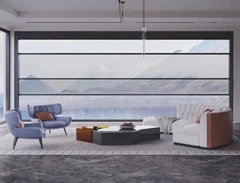
Vertical folding up windows are a popular choice for both residential and commercial applications. These windows fold vertically upwards, allowing for maximum ventilation and airflow. Motorized vertical folding up windows offer the same benefits as traditional vertical folding up windows, but with the added convenience of motorized operation.
Folding Back Windows
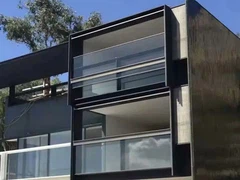
Folding back windows are another type of folding window that can be motorized. These windows fold back horizontally, creating a large opening that provides unobstructed views and easy access to the outdoors. Motorized folding back windows are a great option for patios, balconies, and other outdoor living spaces.
Bifold Internal Windows
Bifold internal windows are commonly used in interior applications, such as room dividers or closet doors. These windows fold in half, allowing for easy access and maximum space utilization. Motorized bifold internal windows offer the same benefits as traditional bifold internal windows, but with the added convenience of motorized operation.
Conclusion
In conclusion, motorized folding windows are a practical and convenient solution for homeowners and commercial property owners who want to enhance the functionality and comfort of their spaces. With the ability to open and close your windows with ease, you can enjoy greater convenience, energy efficiency, and security. If you're considering motorizing your folding windows, I encourage you to consult with a professional installer to determine the best motorization solution for your needs.
If you're interested in learning more about our folding windows or motorization options, please don't hesitate to contact us. Our team of experts is here to help you find the perfect window solution for your home or commercial building. We look forward to hearing from you and discussing your folding window needs.
References
- Window & Door Manufacturers Association. (n.d.). Motorized Windows and Doors. Retrieved from [Website URL]
- National Fenestration Rating Council. (n.d.). Energy Efficiency of Windows. Retrieved from [Website URL]
- American Society of Heating, Refrigerating and Air-Conditioning Engineers. (n.d.). Ventilation and Airflow in Buildings. Retrieved from [Website URL]