


As a supplier of new casement windows, I often get asked a wide range of questions from customers. One question that has been popping up more frequently lately is: "Can new casement windows be tinted?" In this blog post, I'll delve into this topic, exploring the feasibility, benefits, and considerations of tinting new casement windows.
Understanding Casement Windows
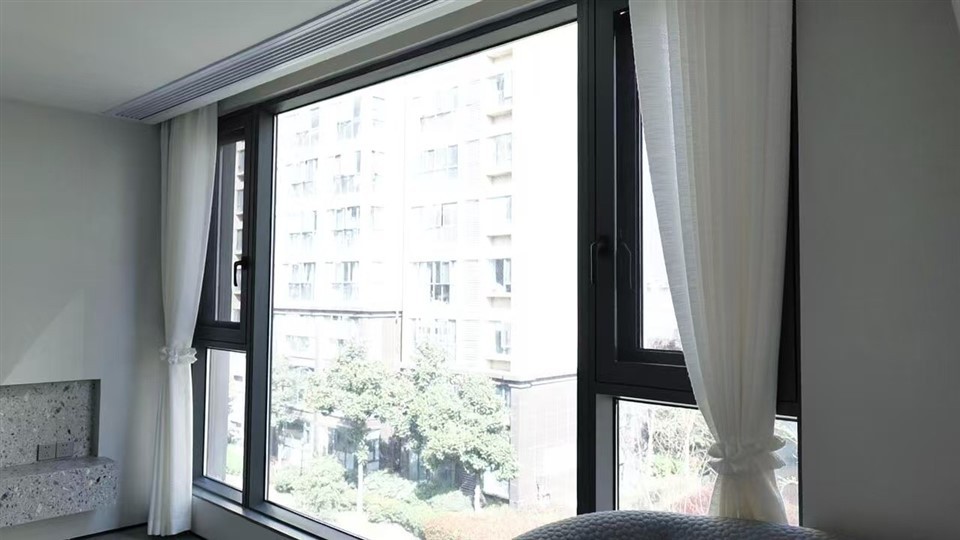
Before we discuss tinting, let's briefly talk about casement windows. Casement windows are hinged on the side and open outward, much like a door. They are known for their excellent ventilation capabilities as they can open fully, allowing for maximum airflow. Casement windows come in various materials, including wood, aluminum, and vinyl. Among them, Vinyl Casement Windows are particularly popular due to their durability, energy - efficiency, and low maintenance requirements.
The Feasibility of Tinting New Casement Windows
The short answer is yes, new casement windows can be tinted. Whether your casement windows are single - glazed or double - glazed, such as Double Glazed Windows Casement Flush Windows, they can be treated with window tint.
Window tinting involves applying a thin film to the glass surface. This film can be made of various materials, each with its own set of properties. For casement windows, the tinting process is similar to that of other types of windows. However, when tinting casement windows, it's crucial to ensure that the tint does not interfere with the window's operation. The film should be applied smoothly so that the window can still open and close without any hindrance.
Benefits of Tinting Casement Windows
1. Solar Heat Reduction
One of the primary benefits of tinting casement windows is solar heat reduction. Tinted windows can block a significant amount of the sun's infrared radiation, which is responsible for heat transfer. By reducing the amount of heat entering your home, you can lower your energy consumption for cooling. This is especially beneficial during the hot summer months when you rely on air conditioning to keep your home comfortable.
2. Glare Reduction
Glare from the sun can be a nuisance, especially in rooms with a lot of sunlight, such as living rooms and home offices. Tinted casement windows can significantly reduce glare, making it easier to watch TV, work on a computer, or simply relax in a well - lit room.
3. UV Protection
The sun's ultraviolet (UV) rays can cause damage to your furniture, flooring, and other interior items over time. Tinted windows can block up to 99% of UV rays, protecting your belongings from fading and discoloration.
4. Privacy
Tinted windows can also enhance privacy. Depending on the type of tint you choose, you can make it more difficult for people outside to see inside your home, especially during the day when the sun is shining.
Considerations When Tinting Casement Windows
1. Tint Type and Color
There are different types of window tints available, including dyed tints, metalized tints, and ceramic tints. Each type has its own advantages and disadvantages. Dyed tints are generally the most affordable but may not be as durable as other types. Metalized tints offer better heat rejection but can interfere with radio and cell phone signals. Ceramic tints are the most advanced and offer excellent heat rejection and UV protection without signal interference, but they are also the most expensive.
The color of the tint is also an important consideration. Darker tints provide more privacy and better heat rejection, but they may also reduce the amount of natural light entering your home. Lighter tints offer a more balanced approach, providing some benefits while still allowing a significant amount of light to pass through.
2. Local Regulations
Before tinting your casement windows, it's important to check local regulations. Some areas have restrictions on the darkness of window tints, especially for windows facing the street. Make sure you comply with these regulations to avoid any legal issues.
3. Professional Installation
While it's possible to tint casement windows yourself, it's recommended to have the tinting done by a professional. A professional installer has the experience and tools to ensure that the tint is applied smoothly and evenly, without any bubbles or creases. They can also ensure that the tint does not affect the window's operation.
Tinting Options for Different Casement Window Styles
1. Black Vinyl Casement Windows
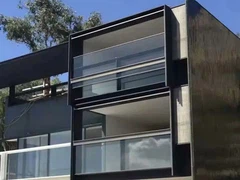
Black Vinyl Casement Windows have a sleek and modern appearance. When tinting black vinyl casement windows, you can choose a tint that complements the black frame. A dark tint can enhance the window's overall aesthetic, giving your home a more sophisticated look. Additionally, the dark tint can further reduce solar heat gain, making it an ideal choice for energy - conscious homeowners.
2. Double - Glazed Casement Windows
Double - glazed casement windows already offer good insulation. Tinting these windows can provide an extra layer of protection against heat and UV rays. For double - glazed windows, you can choose a tint that is specifically designed for multi - pane glass. This type of tint can be applied to the inner pane, which is more protected from the elements and less likely to get scratched.
Conclusion
In conclusion, new casement windows can definitely be tinted, and there are many benefits to doing so. Whether you're looking to reduce solar heat, glare, or protect your interior from UV damage, window tinting is a great option. However, it's important to consider the type of tint, local regulations, and professional installation.
If you're interested in tinting your new casement windows or purchasing high - quality casement windows from us, we'd love to hear from you. Contact us to discuss your options and start the process of enhancing your home's comfort and energy efficiency.
References
- American Society of Heating, Refrigerating and Air - Conditioning Engineers (ASHRAE). (2017). Handbook of Fundamentals.
- Window Film Manufacturers Association. (2020). Window Film Technology and Applications.