




In the dynamic landscape of modern business, supply chain optimization has emerged as a critical factor for companies aiming to enhance efficiency, reduce costs, and improve customer satisfaction. As a supplier of narrow sliding windows, I often find myself contemplating the potential of these specialized products in the context of supply chain optimization. This blog post delves into the question: Can the narrow sliding window be used for supply chain optimization?
Understanding the Narrow Sliding Window
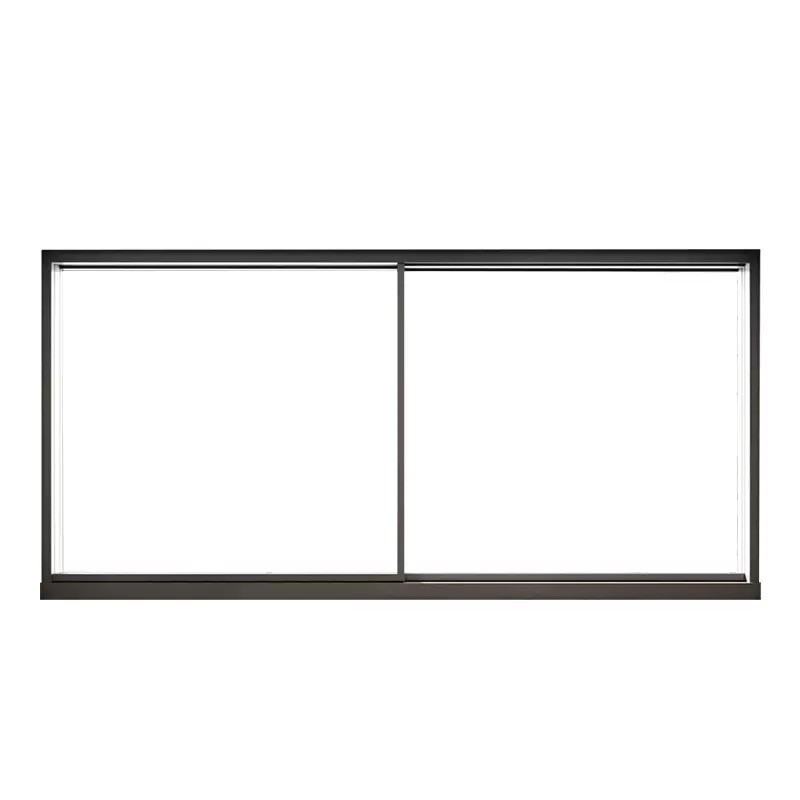
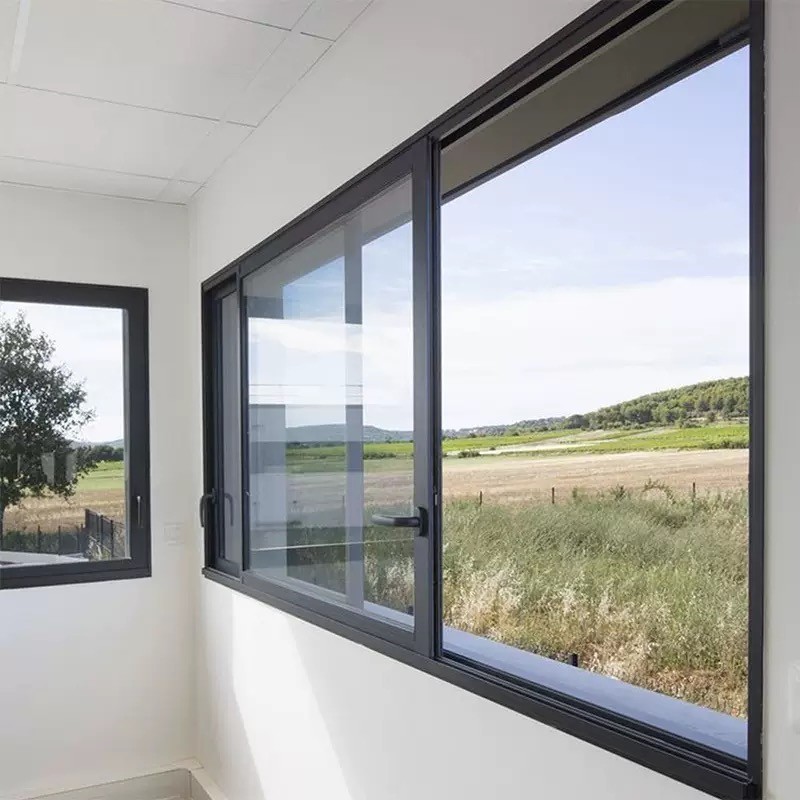
Before exploring its role in supply chain optimization, it's essential to understand what a narrow sliding window is. Narrow sliding windows are a type of window that slides horizontally along a track. They are characterized by their slim profile, which makes them ideal for spaces where width is limited. These windows are commonly used in porches, patios, and other areas where a sleek and functional window solution is required.
As a supplier, I offer a range of narrow sliding windows, including Vinyl Sliding Windows For Porch, Sliding Patio Windows, and Double Pane Sliding Window. Each of these products is designed to meet the specific needs of our customers, providing a combination of style, durability, and energy efficiency.
The Role of Narrow Sliding Windows in Supply Chain Optimization
1. Space Utilization
One of the primary ways in which narrow sliding windows can contribute to supply chain optimization is through efficient space utilization. In a warehouse or distribution center, maximizing the use of available space is crucial for reducing storage costs and improving inventory management. Narrow sliding windows can be installed in areas where traditional windows would take up too much space, allowing for more efficient use of the floor area.
For example, in a warehouse with limited width, narrow sliding windows can be installed along the walls to provide natural light without obstructing the movement of goods. This not only reduces the need for artificial lighting, but also creates a more pleasant working environment for employees. Additionally, the slim profile of narrow sliding windows means that they can be installed closer to the ceiling, further increasing the available floor space.
2. Energy Efficiency
Another important aspect of supply chain optimization is energy efficiency. By reducing energy consumption, companies can lower their operating costs and minimize their environmental impact. Narrow sliding windows can play a significant role in achieving these goals.
Many of our narrow sliding windows are designed with double-pane glass, which provides excellent insulation properties. This helps to keep the interior of a building warm in the winter and cool in the summer, reducing the need for heating and cooling systems. Additionally, the tight seal of the sliding mechanism prevents air leakage, further improving energy efficiency.
In a distribution center, for example, energy-efficient narrow sliding windows can help to reduce the energy consumption of the building's HVAC system. This not only saves money on utility bills, but also contributes to a more sustainable supply chain.
3. Product Differentiation
In a competitive market, product differentiation is essential for attracting customers and increasing sales. Narrow sliding windows offer a unique and stylish alternative to traditional windows, which can help companies to stand out from the competition.
By offering a range of narrow sliding windows with different styles, colors, and finishes, I can help my customers to create a customized look for their buildings. This can be particularly appealing to customers in the residential and commercial construction industries, who are often looking for ways to enhance the aesthetic appeal of their properties.
In addition to their aesthetic appeal, narrow sliding windows also offer a number of practical benefits, such as ease of use and maintenance. This can further differentiate my products from those of my competitors, making them a more attractive option for customers.
4. Supply Chain Flexibility
Supply chain flexibility is another key factor in supply chain optimization. By being able to respond quickly to changes in customer demand, companies can reduce inventory levels, improve customer service, and increase profitability.
As a supplier of narrow sliding windows, I understand the importance of supply chain flexibility. I work closely with my customers to understand their specific needs and requirements, and I am able to offer a range of delivery options to ensure that their orders are fulfilled in a timely manner.
For example, I offer both standard and custom-made narrow sliding windows, which allows my customers to choose the products that best meet their needs. Additionally, I have a network of suppliers and manufacturers that I work with to ensure that I can source the materials and components needed to produce my windows quickly and efficiently.
Challenges and Considerations
While narrow sliding windows offer a number of potential benefits for supply chain optimization, there are also some challenges and considerations that need to be taken into account.
1. Cost
One of the main challenges associated with using narrow sliding windows in supply chain optimization is the cost. Narrow sliding windows can be more expensive than traditional windows, due to their specialized design and construction.
However, it's important to consider the long-term benefits of using narrow sliding windows when evaluating their cost. As mentioned earlier, these windows can help to reduce energy consumption, improve space utilization, and enhance product differentiation, which can ultimately lead to cost savings and increased profitability.
2. Installation and Maintenance
Another challenge is the installation and maintenance of narrow sliding windows. These windows require a high level of precision during installation to ensure that they operate smoothly and provide a tight seal. Additionally, they may require more frequent maintenance than traditional windows, due to their moving parts.
To address these challenges, it's important to work with a professional installer who has experience with narrow sliding windows. Additionally, I offer a comprehensive maintenance service to ensure that my customers' windows are kept in good working condition.
3. Compatibility
Finally, it's important to consider the compatibility of narrow sliding windows with other components of the supply chain. For example, in a distribution center, the windows need to be compatible with the building's security systems and fire protection measures.
Before installing narrow sliding windows, it's important to consult with a professional engineer or architect to ensure that they meet all of the necessary requirements and regulations.
Conclusion
In conclusion, narrow sliding windows have the potential to play a significant role in supply chain optimization. By offering efficient space utilization, energy efficiency, product differentiation, and supply chain flexibility, these windows can help companies to reduce costs, improve customer satisfaction, and increase profitability.
However, it's important to carefully consider the challenges and considerations associated with using narrow sliding windows, such as cost, installation and maintenance, and compatibility. By working with a professional supplier and installer, companies can ensure that they are able to maximize the benefits of these windows while minimizing the risks.
If you are interested in learning more about how narrow sliding windows can be used for supply chain optimization, or if you would like to discuss your specific needs and requirements, please do not hesitate to contact me. I would be happy to provide you with more information and to help you find the right solution for your business.
References
- Christopher, M. (2016). Logistics & Supply Chain Management. Pearson.
- Chopra, S., & Meindl, P. (2016). Supply Chain Management: Strategy, Planning, and Operation. Pearson.
- Kotler, P., & Armstrong, G. (2014). Principles of Marketing. Pearson.