


Hey there! I'm a supplier of Vertical Lift Windows, and I've been getting a lot of questions lately about how these windows can impact heating and cooling costs. So, I thought I'd take the time to break it down for you in this blog post.
Let's start with the basics. Vertical lift windows are a type of window that opens vertically, rather than horizontally like traditional sliding windows or outwards like casement windows. They're a popular choice for modern homes and commercial buildings because they're space-saving and offer a sleek, contemporary look. But how do they stack up when it comes to energy efficiency?
Insulation and Energy Efficiency
One of the key factors that affects heating and cooling costs is the insulation of your windows. Good insulation helps to keep the heat in during the winter and the cool air in during the summer, reducing the amount of energy your HVAC system needs to use to maintain a comfortable temperature.
Vertical lift windows are typically designed with multiple panes of glass and a sealed airspace between them, which provides excellent insulation. The airspace acts as a barrier, preventing heat transfer between the inside and outside of your home. Additionally, many vertical lift windows are equipped with low-emissivity (low-E) coatings, which reflect infrared radiation and further reduce heat transfer.
According to the U.S. Department of Energy, replacing single-pane windows with energy-efficient double-pane windows can save you up to 24% on your heating and cooling costs. That's a significant amount of money over time, especially if you have multiple windows in your home.
Air Leakage
Another important factor to consider is air leakage. Even the most well-insulated windows can lose energy if there are gaps or cracks around the edges. Air leakage allows warm air to escape in the winter and cool air to escape in the summer, forcing your HVAC system to work harder to maintain a comfortable temperature.

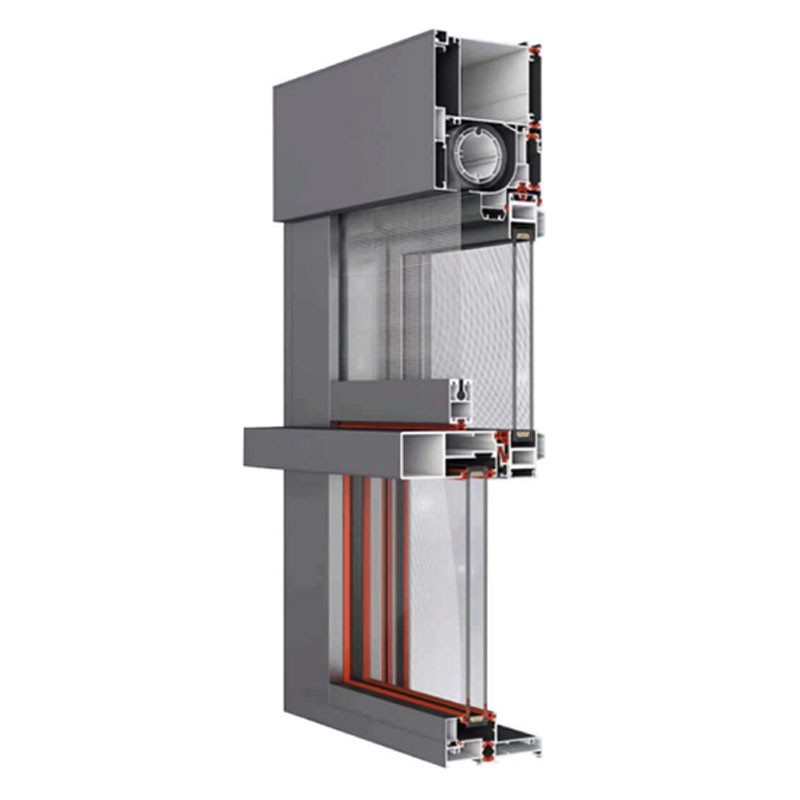
Vertical lift windows are designed to fit tightly into the window frame, minimizing air leakage. They often feature weatherstripping and gaskets around the edges to create a seal and prevent air from seeping in or out. Some vertical lift windows also have a tilt-and-turn feature, which allows you to easily clean the outside of the window without having to remove it from the frame. This feature also helps to improve the seal and reduce air leakage.
Solar Heat Gain
Solar heat gain is the amount of heat that enters your home through the windows as a result of sunlight. While some solar heat gain can be beneficial in the winter, too much can make your home uncomfortable and increase your cooling costs in the summer.
Vertical lift windows can be designed to control solar heat gain by using different types of glass and coatings. For example, tinted glass can reduce the amount of sunlight that enters your home, while reflective coatings can reflect sunlight away from the window. Additionally, some vertical lift windows have a built-in shading system, such as blinds or shutters, which can be adjusted to block sunlight and reduce solar heat gain.
Cost Savings
So, how much can you expect to save on your heating and cooling costs by installing vertical lift windows? The answer depends on a variety of factors, including the size and orientation of your windows, the climate in your area, and the energy efficiency of your existing windows.
However, in general, you can expect to see a significant reduction in your energy bills. According to a study by the National Fenestration Rating Council (NFRC), homeowners who replace their old windows with energy-efficient windows can save an average of $276 per year on their heating and cooling costs. Over the lifetime of the windows, that can add up to thousands of dollars in savings.
Other Benefits of Vertical Lift Windows
In addition to saving you money on your heating and cooling costs, vertical lift windows offer a number of other benefits. Here are just a few:
- Space-saving: Vertical lift windows open vertically, which means they don't take up any floor or wall space. This makes them a great choice for small rooms or areas where space is limited.
- Easy to operate: Vertical lift windows are easy to open and close, even for people with limited mobility. They typically have a simple mechanism that allows you to lift the window up or down with one hand.
- Enhanced security: Vertical lift windows are designed with a locking mechanism that provides added security for your home. They're also more difficult to break into than traditional sliding windows or casement windows.
- Improved ventilation: Vertical lift windows can be opened partially or fully to allow fresh air to circulate through your home. This can help to improve indoor air quality and reduce the risk of mold and mildew.
Conclusion
In conclusion, vertical lift windows are a great investment for any homeowner who wants to save money on their heating and cooling costs while also improving the comfort and energy efficiency of their home. They offer excellent insulation, minimize air leakage, and can be designed to control solar heat gain. Additionally, they're space-saving, easy to operate, and provide enhanced security and ventilation.
If you're interested in learning more about vertical lift windows or would like to get a quote for your home, please visit our website at Vertical Lift Windows. We offer a wide range of vertical lift windows in different styles, sizes, and colors to suit your needs and budget. Our experienced team of professionals can help you choose the right windows for your home and install them quickly and efficiently.
Don't miss out on the opportunity to save money and improve your home's energy efficiency. Contact us today to schedule a free consultation and see how vertical lift windows can benefit you.
References
- U.S. Department of Energy. (n.d.). Energy-efficient windows. Retrieved from https://energy.gov/energysaver/energy-efficient-windows
- National Fenestration Rating Council (NFRC). (n.d.). Window savings calculator. Retrieved from https://www.nfrc.org/window-savings-calculator
- Lift Heavy Windows. (n.d.). Retrieved from /glass-window/lifting-window/lift-heavy-windows.html
- Space-Saving Modern Lifting Windows. (n.d.). Retrieved from /glass-window/lifting-window/space-saving-modern-lifting-windows.html