

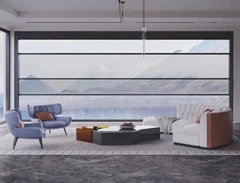
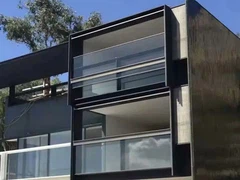


Gliding windows, also commonly known as sliding windows, have long been a popular choice in both residential and commercial buildings. As a supplier of gliding windows, I often encounter customers who are concerned about the security of these types of windows. In this blog post, I will delve into the various aspects related to the security of gliding windows, exploring their vulnerabilities and the measures we can take to enhance their safety.
Understanding Gliding Windows
Gliding windows operate on a horizontal plane, sliding open and closed along a track. They come in different variations, such as Horizontal Sliding Windows, Sliding Sash Window, and Horizontal Full Sliding Window. Their design offers several advantages, including ease of use, a modern aesthetic, and efficient space - utilization, especially in areas where casement windows may not be practical.
Potential Vulnerabilities in Gliding Windows
One of the main potential security issues with gliding windows is their relatively simple locking mechanisms compared to some other window types. Traditional gliding windows often use basic locks that can be more easily bypassed. For example, some locks on older models may only engage the window with a small catch, which a determined intruder could potentially force open.

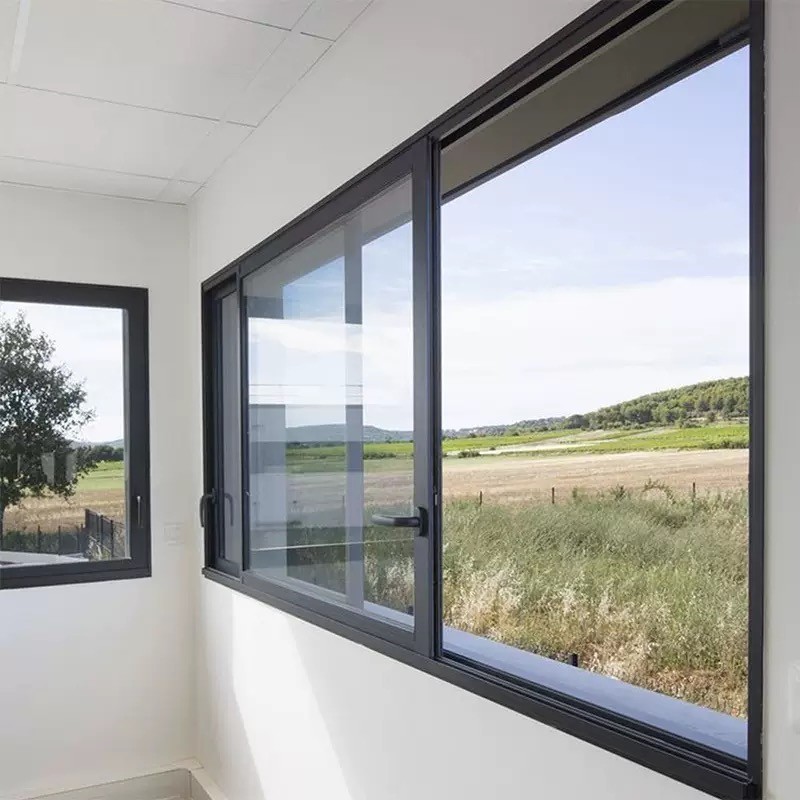
Another vulnerability lies in the window's track. Since gliding windows rely on tracks to slide, if the tracks are not properly maintained or if they are of poor quality, it can lead to the window being knocked out of the track. This can create an opening for an intruder to gain access to the property.
Moreover, the sashes of gliding windows can sometimes be pried apart. If the frame and the sash are not well - constructed or reinforced, an intruder may be able to insert a tool between the sashes and force them open.
Factors Affecting the Security of Gliding Windows
Window Material
The material used in the construction of gliding windows plays a crucial role in their security. For instance, windows made of uPVC (unplasticized polyvinyl chloride) are known for their durability and strength. uPVC frames are resistant to rotting, warping, and corrosion, which means they can better withstand attempts to force the window open. On the other hand, wooden frames, although aesthetically pleasing, may be more vulnerable to damage from moisture and pests, and can be easier to break through in some cases.
Glass Type
The type of glass used in gliding windows also impacts security. Laminated glass is a great option for enhancing security. It consists of two or more layers of glass with a plastic interlayer in between. In the event of an attempted break - in, even if the glass is shattered, the plastic interlayer holds the pieces together, preventing easy access through the window. Tempered glass is another good choice. It is stronger than regular glass and, when broken, shatters into small, relatively harmless pieces, making it more difficult to create an opening large enough for an intruder to enter.
Locking Systems
Advanced locking systems are essential for ensuring the security of gliding windows. Multi - point locking systems are far more secure than single - point locks. These systems engage the window at multiple points along the frame, making it much more difficult to force the window open. Additionally, some locking systems come with anti - drill and anti - pick features, further enhancing their resistance to break - ins.
Enhancing the Security of Gliding Windows
Upgrading Locks
As a gliding window supplier, I always recommend upgrading to high - quality locks. For example, deadbolt locks can be installed on gliding windows. These locks provide a more substantial barrier against forced entry compared to standard locks. Some deadbolt locks can be key - operated from both the inside and outside, adding an extra layer of security.
Reinforcing Frames
Reinforcing the frames of gliding windows can significantly improve their security. Metal reinforcements can be added to uPVC or wooden frames. These reinforcements increase the strength of the frame, making it more resistant to bending and breaking when subjected to force.
Installing Window Bars or Grilles
Window bars or grilles can act as a physical deterrent to intruders. They can be installed on the inside or outside of the window, depending on the customer's preference. Decorative window grilles can not only enhance security but also add an aesthetic touch to the building.
Using Security Film
Security film can be applied to the glass of gliding windows. This film holds the glass together in case of breakage, similar to laminated glass. It also makes it more difficult for an intruder to shatter the glass and gain access to the property.
Industry Standards and Regulations
There are several industry standards and regulations that govern the security of gliding windows. These standards ensure that windows meet certain safety and security requirements. For example, in some regions, windows must pass impact resistance tests to be considered suitable for use. As a supplier, we ensure that all our gliding windows comply with the relevant industry standards and regulations. This gives our customers peace of mind knowing that they are investing in a secure product.
Conclusion and Call to Action
In conclusion, while gliding windows do have some potential security vulnerabilities, there are numerous ways to enhance their safety. By choosing the right window material, glass type, and locking system, and by implementing additional security measures such as reinforcement and window bars, gliding windows can be made highly secure.
If you are in the market for secure gliding windows, I encourage you to reach out to us. We are a leading supplier of gliding windows, offering a wide range of options to meet your specific security and aesthetic needs. Whether you are looking for Horizontal Sliding Windows, Sliding Sash Window, or Horizontal Full Sliding Window, we have the expertise and the products to ensure your satisfaction. Contact us today to start a discussion about your gliding window requirements.
References
- Rohrmann, B. (2011). Risk and safety: an interdisciplinary approach to theory and practice. Routledge.
- Aune, R. (2008). Security Design Manual: Designing out Crime (2nd ed.). Taylor & Francis.
- Scharff, R. C., & Duscha, B. S. (2014). Philosophy and technology: An introduction to the philosophical issues. Wiley.