





Condensation on a sliding glass door can be a common yet frustrating issue for many homeowners. As a supplier of sliding glass doors, I've witnessed firsthand the problems that condensation can cause, from reduced visibility to potential damage to the door and surrounding areas. In this blog post, I'll share some effective strategies for dealing with condensation on sliding glass doors, drawing on my experience in the industry.
Understanding Condensation on Sliding Glass Doors
Before we dive into solutions, it's important to understand what causes condensation on sliding glass doors. Condensation occurs when warm, moist air comes into contact with a cold surface, such as a glass door. The air cools down, and the moisture in the air condenses into water droplets. This can happen for several reasons:
- Temperature Difference: During the winter months, the temperature outside is much colder than inside. The cold glass surface of the sliding door causes the warm, moist air inside to cool rapidly, leading to condensation.
- High Humidity: If the humidity levels inside your home are high, there is more moisture in the air. This increases the likelihood of condensation forming on the glass door, especially in areas with poor ventilation.
- Poor Insulation: Sliding glass doors with poor insulation allow more heat to escape, making the glass surface colder. This creates a greater temperature difference between the inside and outside, promoting condensation.
Strategies for Dealing with Condensation
Now that we understand the causes of condensation, let's explore some strategies for dealing with it:
Improve Ventilation
One of the most effective ways to reduce condensation is to improve ventilation in your home. This helps to remove the warm, moist air and replace it with drier air. Here are some ways to improve ventilation:
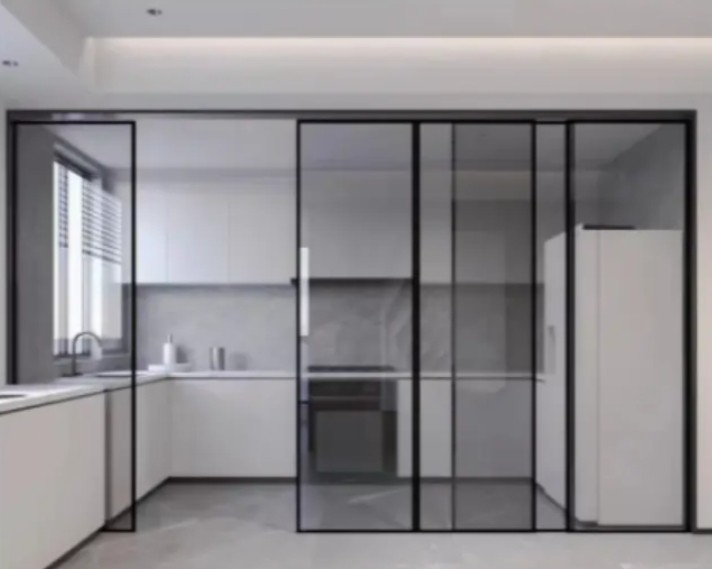

- Open Windows: Open windows in your home, especially in areas where moisture is likely to accumulate, such as the kitchen and bathroom. This allows fresh air to circulate and helps to reduce humidity levels.
- Use Exhaust Fans: Install exhaust fans in your kitchen, bathroom, and laundry room. These fans help to remove moisture from the air by venting it outside. Make sure to turn on the exhaust fans when cooking, showering, or doing laundry.
- Install a Whole-House Ventilation System: Consider installing a whole-house ventilation system, such as a heat recovery ventilator (HRV) or an energy recovery ventilator (ERV). These systems exchange stale indoor air with fresh outdoor air while recovering heat or energy, helping to maintain a comfortable and healthy indoor environment.
Control Humidity Levels
Another way to reduce condensation is to control the humidity levels in your home. Here are some tips for controlling humidity:
- Use a Dehumidifier: If the humidity levels in your home are consistently high, consider using a dehumidifier. Dehumidifiers remove moisture from the air, helping to reduce condensation on your sliding glass doors and other surfaces. Place the dehumidifier in the area where condensation is most likely to occur, such as near the sliding door.
- Avoid Drying Clothes Indoors: Drying clothes indoors can release a large amount of moisture into the air, increasing humidity levels. Instead, dry your clothes outside on a clothesline or use a dryer with a vent that exhausts to the outside.
- Fix Leaks and Drips: Leaks and drips from pipes, faucets, or appliances can contribute to high humidity levels. Fix any leaks or drips as soon as possible to prevent moisture from accumulating in your home.
Upgrade Your Sliding Glass Door
If you have an old or poorly insulated sliding glass door, upgrading to a new, energy-efficient model can help to reduce condensation. Here are some features to look for when choosing a new sliding glass door:
- Low-E Glass: Low-emissivity (Low-E) glass has a special coating that reflects heat back into your home, reducing heat loss and keeping the glass surface warmer. This helps to minimize the temperature difference between the inside and outside, reducing the likelihood of condensation.
- Insulated Frames: Choose a sliding glass door with insulated frames made of materials such as vinyl, fiberglass, or wood. Insulated frames help to prevent heat transfer, keeping the glass surface warmer and reducing condensation.
- Weatherstripping: Make sure the sliding glass door has proper weatherstripping around the edges. Weatherstripping helps to seal the door, preventing air and moisture from leaking in or out. Replace any worn or damaged weatherstripping regularly to maintain a tight seal.
Use a Condensation-Resistant Coating
Applying a condensation-resistant coating to your sliding glass door can help to prevent condensation from forming. These coatings work by reducing the surface tension of the glass, causing water droplets to spread out and evaporate more quickly. Look for a coating that is specifically designed for glass doors and follow the manufacturer's instructions for application.
Additional Tips for Maintaining Your Sliding Glass Door
In addition to the strategies mentioned above, here are some additional tips for maintaining your sliding glass door and preventing condensation:
- Clean Your Door Regularly: Regularly clean your sliding glass door to remove dirt, dust, and other debris. This helps to keep the glass surface clean and free of contaminants that can contribute to condensation.
- Lubricate the Tracks: Lubricate the tracks of your sliding glass door regularly to ensure smooth operation. This helps to prevent the door from sticking or jamming, which can cause air and moisture to leak in or out.
- Inspect the Seals: Periodically inspect the seals around your sliding glass door for any signs of damage or wear. Replace any damaged or worn seals to maintain a tight seal and prevent air and moisture from leaking in or out.
Conclusion
Condensation on a sliding glass door can be a nuisance, but it doesn't have to be. By understanding the causes of condensation and implementing the strategies outlined in this blog post, you can effectively deal with condensation and keep your sliding glass door in good condition. Remember to improve ventilation, control humidity levels, upgrade your door if necessary, and maintain your door regularly.
If you're in the market for a new sliding glass door or need help with condensation issues, I'm here to assist you. As a leading supplier of sliding glass doors, I offer a wide range of high-quality products, including Sliding Door Doggy Door, Sliding Screen Door, and Custom Made Sliding Doors. Our team of experts can help you choose the right door for your needs and provide professional installation and maintenance services. Contact us today to learn more and start enjoying a condensation-free sliding glass door.
References
- "Condensation on Windows: Causes and Solutions." Energy Star, U.S. Environmental Protection Agency, 2023.
- "How to Reduce Condensation in Your Home." HomeAdvisor, 2023.
- "Sliding Glass Doors: Tips for Maintenance and Care." Bob Vila, 2023.