





The sliding window algorithm, a powerful and versatile tool in computer science, has found its way into numerous applications across various domains. As a dedicated sliding window supplier, I am thrilled to explore the diverse use - cases of this algorithm and how our products can enhance these applications.
1. Data Stream Processing
In the era of big data, the ability to process continuous data streams in real - time is crucial. The sliding window algorithm shines in this area. Consider a scenario where a financial institution is monitoring stock prices. Stock prices are constantly changing, and the institution wants to calculate the average price over a specific time frame, say the last 30 minutes.
By using a sliding window, we can maintain a fixed - size window that moves along the stream of stock price data. As new price data arrives, the oldest data within the window is removed, and the new data is added. This allows for efficient calculation of the average price within the window at any given time. Our sliding window products can be integrated into the data processing pipelines of such institutions, providing a reliable and efficient way to manage these data windows.
Another example in data stream processing is network traffic monitoring. Internet service providers need to analyze network traffic patterns to detect anomalies, such as DDoS attacks. A sliding window can be used to monitor the number of packets passing through a network router over a short period, say every 5 minutes. If the number of packets within the window suddenly exceeds a certain threshold, it could be a sign of an attack. Our high - performance sliding window solutions can handle large volumes of network traffic data, enabling quick and accurate anomaly detection.
2. Image and Video Processing
The sliding window algorithm is also widely used in image and video processing. In object detection, a sliding window is moved across an image or a video frame to search for specific objects. For instance, in a security camera system, we may want to detect human faces in the video stream.
The algorithm starts by placing a small window at the top - left corner of the image. It then analyzes the content within the window to check if it contains a face. If not, the window is moved to the next position, either horizontally or vertically. This process continues until the entire image has been scanned. Our sliding window products can be customized to support different window sizes and movement strategies, which are essential for efficient object detection in various image and video processing applications.
In video compression, sliding windows are used to analyze temporal redundancy. A sliding window is used to compare consecutive frames in a video sequence. If a block of pixels in the current frame is similar to a block in a previous frame within the window, the encoder can simply store the difference between the two blocks instead of the entire block. This significantly reduces the amount of data that needs to be stored, resulting in more efficient video compression. Our sliding window technology can optimize the window size and comparison algorithms, leading to better compression ratios and improved video quality.
3. Natural Language Processing
In natural language processing (NLP), the sliding window algorithm has several important applications. One such application is named entity recognition (NER). NER aims to identify and classify named entities, such as persons, organizations, and locations, in a text.
A sliding window can be used to analyze a sequence of words in a sentence. For example, a window of size 3 may be used to analyze every three consecutive words in a sentence. The algorithm then checks if the words within the window form a named entity. If so, it classifies the entity accordingly. Our sliding window solutions can be integrated into NLP pipelines to improve the efficiency and accuracy of named entity recognition.
Another application in NLP is sentiment analysis. A sliding window can be used to analyze the sentiment of a text in small segments. For example, we can use a window of 10 words to analyze the sentiment of each part of a customer review. By aggregating the sentiment scores of all the windows, we can get an overall sentiment of the entire review. Our products can provide the necessary computational power to handle large - scale sentiment analysis tasks, making it easier for businesses to understand customer opinions.
4. Sliding Window Treatments and Tints in the Real World
Beyond the digital realm, the concept of sliding windows also has real - world applications in architecture and interior design. Sliding Glass Window Treatments are essential for enhancing the aesthetics and functionality of sliding glass windows. These treatments can include curtains, blinds, or shades, which can be used to control the amount of light entering a room and provide privacy.
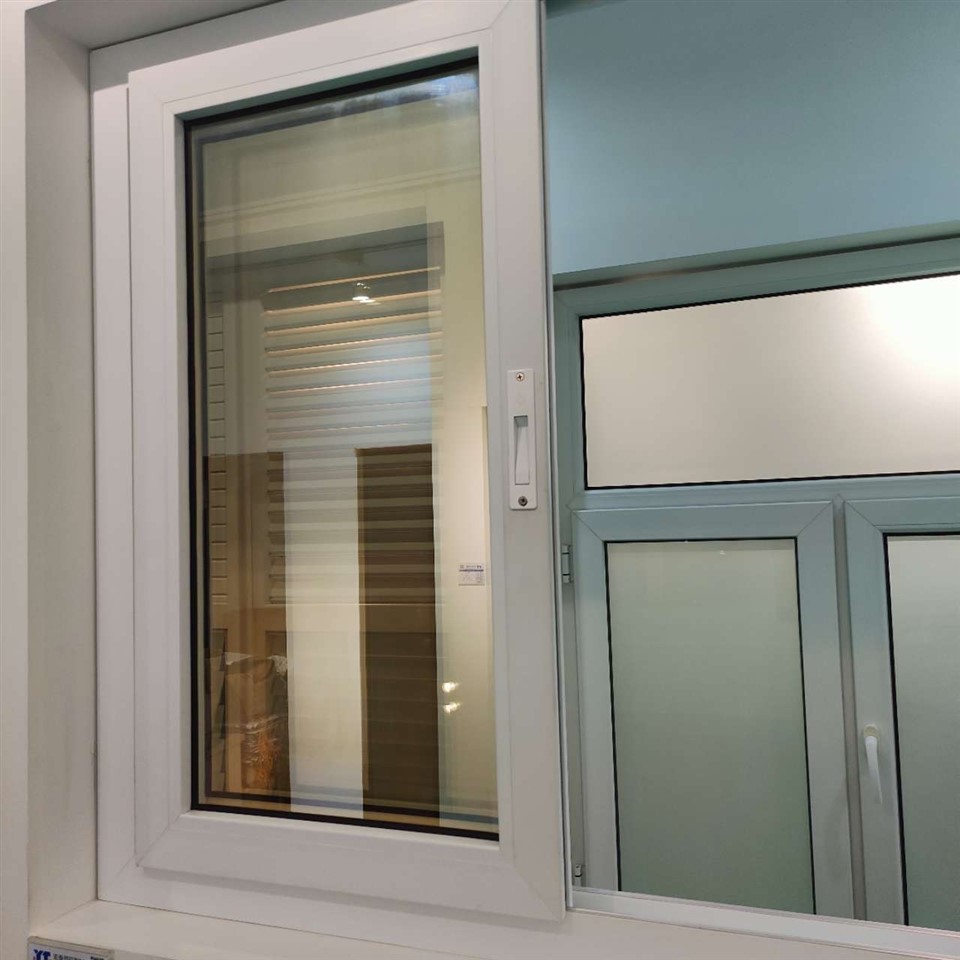
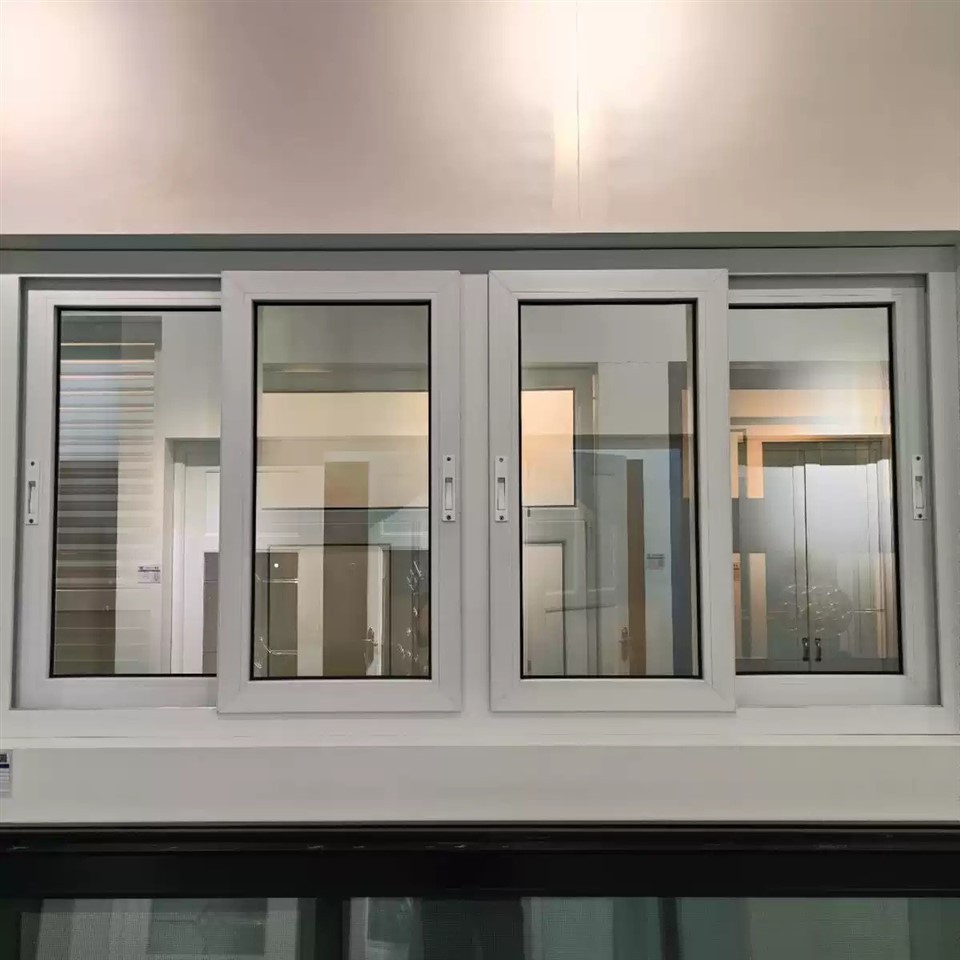
Sliding Door Window Tint is another popular option. Window tinting can reduce glare, block harmful UV rays, and improve energy efficiency. It can also add a touch of style to sliding doors.
Sliding Window Blinds are a practical choice for many homeowners. They are easy to operate and can be adjusted to control the amount of light and ventilation in a room. As a sliding window supplier, we offer a wide range of high - quality sliding window treatments, tints, and blinds to meet the diverse needs of our customers.
5. Conclusion and Call to Action
The sliding window algorithm has a wide range of applications in computer science, from data stream processing to image and video processing, and natural language processing. In the real world, sliding window treatments, tints, and blinds play an important role in architecture and interior design.
If you are looking for reliable sliding window solutions for your digital applications or high - quality sliding window products for your home or office, we are here to help. Our team of experts can work with you to understand your specific requirements and provide customized solutions. Whether you need a sliding window algorithm implementation for your data processing system or a stylish set of sliding window blinds for your living room, we have the expertise and products to meet your needs.
Don't hesitate to reach out to us to start a discussion about your sliding window requirements. We look forward to working with you to find the best solutions for your projects.
References
- Cormen, T. H., Leiserson, C. E., Rivest, R. L., & Stein, C. (2009). Introduction to Algorithms. MIT Press.
- Jurafsky, D., & Martin, J. H. (2023). Speech and Language Processing. Pearson.
- Gonzalez, R. C., & Woods, R. E. (2017). Digital Image Processing. Pearson.