




As a supplier of hinged glass doors, I often get asked about the acoustic performance of these doors. It's a crucial aspect, especially for spaces where noise control is a priority, like offices, recording studios, or even residential areas near busy streets. So, let's dive into what affects the acoustic performance of a hinged glass door and how you can make the most of it.
Factors Affecting Acoustic Performance
Glass Thickness
One of the most significant factors is the thickness of the glass. Generally, thicker glass provides better sound insulation. This is because thicker glass has more mass, and mass is key when it comes to blocking sound waves. For instance, a single-pane glass door with a thickness of 3mm won't be as effective at reducing noise as a 6mm or 8mm thick glass door.
When you increase the thickness, you're essentially creating a more substantial barrier for sound to penetrate. Think of it like trying to shout through a thin piece of paper versus a thick wooden board. The sound won't travel as easily through the thicker material.
Type of Glass
Not all glass is created equal when it comes to acoustic performance. Laminated glass is a popular choice for its excellent soundproofing capabilities. It consists of two or more layers of glass with a layer of polyvinyl butyral (PVB) in between. This PVB layer acts as a dampener, absorbing and reducing the transmission of sound waves.
Tempered glass, on the other hand, is more known for its strength and safety features. While it does offer some level of sound insulation, it's not as effective as laminated glass. So, if acoustic performance is your top priority, laminated glass might be the way to go.
Sealing and Framing
The quality of the seals and frames around the hinged glass door also plays a vital role. A well-sealed door prevents sound from leaking through the gaps. High-quality rubber seals can significantly improve the acoustic performance by creating an airtight barrier.
Similarly, the frame material matters. Solid wood or metal frames with proper insulation can help reduce sound transmission. A flimsy or poorly constructed frame will allow sound to pass through more easily, negating the benefits of thick or laminated glass.
Measuring Acoustic Performance
The acoustic performance of a hinged glass door is typically measured using a rating called the Sound Transmission Class (STC). The STC rating is a single-number index that represents how well a material or structure reduces sound transmission. The higher the STC rating, the better the sound insulation.
For example, a hinged glass door with an STC rating of 30 will provide some basic sound insulation, suitable for normal residential or office use. However, if you need a higher level of noise reduction, like in a recording studio or a conference room, you'll want a door with an STC rating of 40 or above.
Our Hinged Glass Doors and Acoustic Performance
At our company, we offer a range of hinged glass doors designed to meet different acoustic needs. Our Black Hinged Glass Door is not only stylish but also provides a decent level of sound insulation. It features a high-quality frame and thick glass, ensuring that it can block out a fair amount of noise.
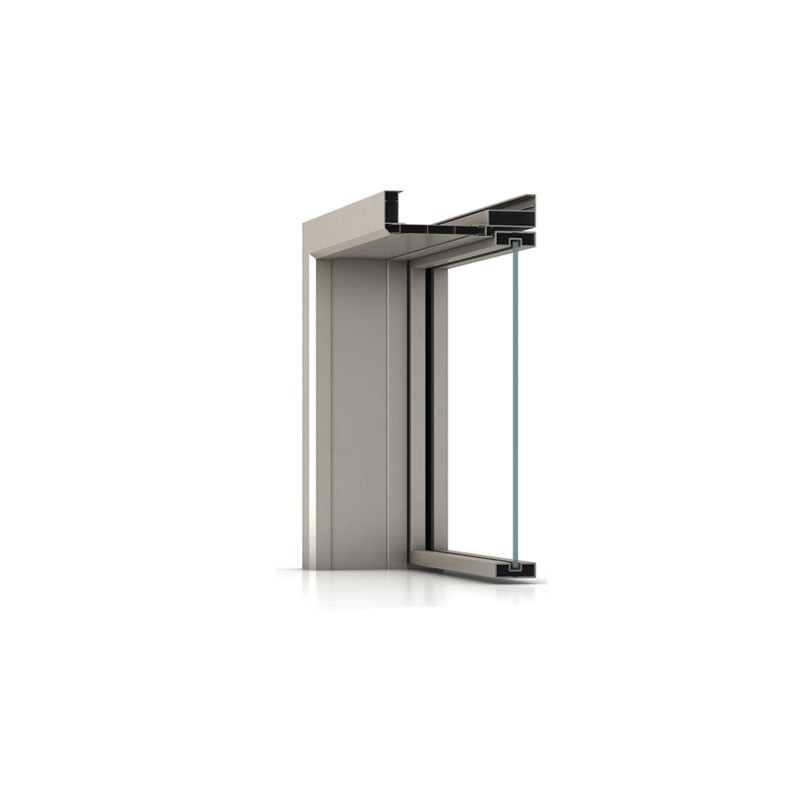
If you're looking for something more specialized, our Glass Door With Hinged Return Panel is a great option. This door is designed with laminated glass and enhanced sealing, offering excellent acoustic performance. It's perfect for spaces where noise control is critical.
We also offer Durable Swing Doors Wholesale for those who need a large quantity of hinged glass doors. These doors are built to last and come with various options for glass thickness and type, allowing you to choose the level of acoustic performance that suits your needs.
Tips for Improving Acoustic Performance
- Choose the Right Glass: As mentioned earlier, laminated glass is the best choice for soundproofing. Consider upgrading to a thicker laminated glass if possible.
- Seal the Gaps: Make sure the door is properly sealed around the edges. You can use weatherstripping or additional seals to improve the airtightness.
- Insulate the Frame: If the frame is made of wood, you can add insulation to it. For metal frames, look for models with built-in insulation.
- Consider Double Doors: Installing two hinged glass doors with a small gap in between can create an additional buffer zone for sound, further reducing noise transmission.
Conclusion
The acoustic performance of a hinged glass door depends on several factors, including glass thickness, type of glass, sealing, and framing. By understanding these factors and making the right choices, you can ensure that your hinged glass door provides the level of sound insulation you need.
At our company, we're committed to providing high-quality hinged glass doors with excellent acoustic performance. Whether you're a homeowner looking to reduce street noise or a business owner in need of a quiet workspace, we have the right door for you.
If you're interested in learning more about our hinged glass doors or have any questions about acoustic performance, feel free to reach out. We're here to help you make the best decision for your space.

References
- "Sound Insulation of Building Elements" by the National Research Council Canada
- "Glass for Sound Control" by the Glass Association of North America