





As a supplier of Vertical Fold Up Windows, I often get asked about the air leakage rating of these innovative windows. In this blog post, I'll delve into what air leakage rating means, why it's important for vertical fold up windows, and how our products measure up in this crucial aspect.
Understanding Air Leakage Rating
Air leakage rating is a measure of how much air can pass through a window under specific pressure conditions. It's typically expressed in cubic feet per minute per square foot of window area (CFM/ft²) at a certain pressure differential, usually 1.57 pounds per square foot (75 Pa). This rating is a key indicator of a window's energy efficiency, comfort, and overall performance.
A lower air leakage rating means that less air can seep through the window, which translates to several benefits. First and foremost, it reduces energy loss. When warm air escapes during the winter or cool air escapes during the summer, your heating and cooling systems have to work harder to maintain a comfortable indoor temperature. This not only leads to higher energy bills but also puts more strain on your HVAC equipment.
In addition to energy savings, a low air leakage rating also improves indoor comfort. It helps prevent drafts, which can make a room feel cold and uncomfortable, even when the thermostat is set at a comfortable temperature. It also reduces the infiltration of outdoor pollutants, dust, and noise, creating a more pleasant and healthy living environment.
Why Air Leakage Rating Matters for Vertical Fold Up Windows
Vertical fold up windows are a popular choice for many homeowners and commercial building owners because of their unique design and functionality. They offer a large opening area, allowing for maximum ventilation and natural light, and can be easily folded up and stored when not in use. However, their design also presents some challenges when it comes to air leakage.
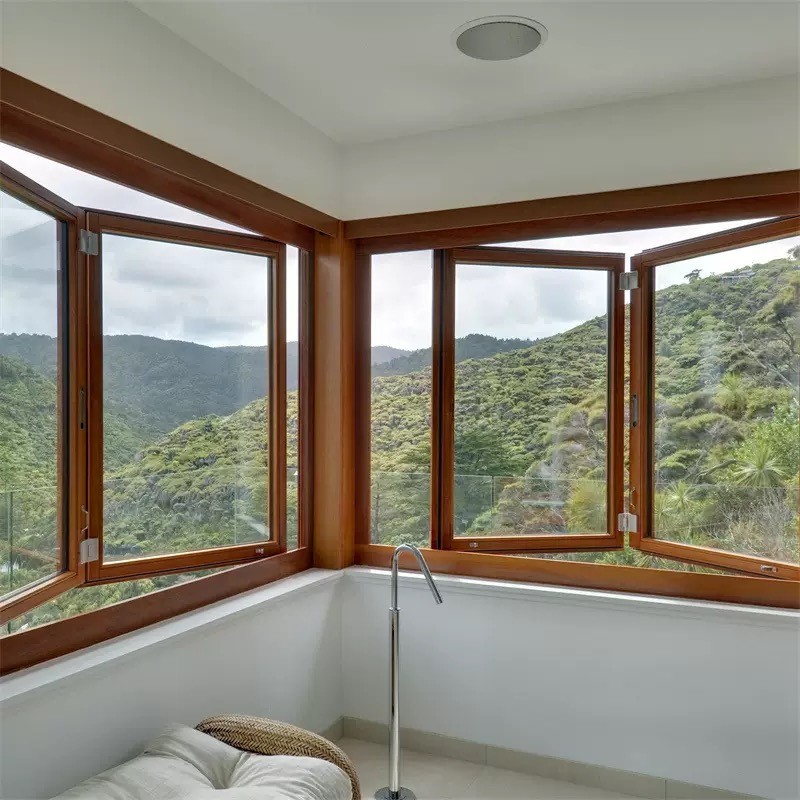
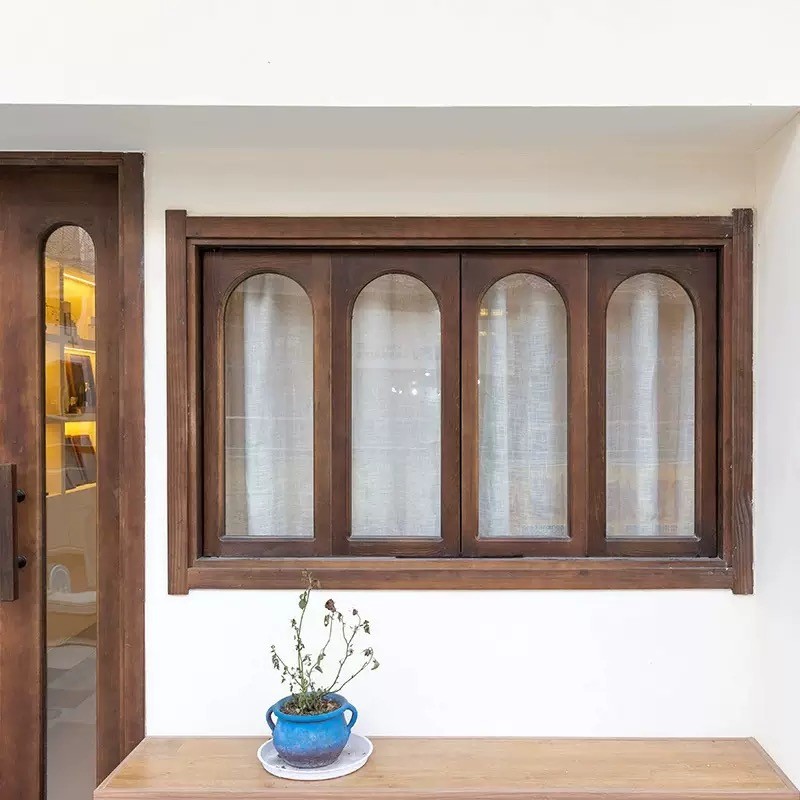
Unlike traditional windows that open and close in a single plane, vertical fold up windows have multiple panels that fold and stack on top of each other. This creates more joints and seams where air can potentially leak through. Additionally, the folding mechanism itself can introduce gaps and spaces that allow air to pass through if not properly sealed.
That's why it's crucial for vertical fold up windows to have a low air leakage rating. A high-quality window with a good air leakage rating will ensure that you get the most out of your investment in terms of energy efficiency, comfort, and durability.
Our Vertical Fold Up Windows' Air Leakage Rating
At our company, we take air leakage rating very seriously. We understand that our customers expect our vertical fold up windows to not only look great and function well but also provide excellent energy efficiency and comfort. That's why we've invested heavily in research and development to ensure that our windows meet the highest standards in terms of air leakage performance.
Our vertical fold up windows are designed with advanced sealing technology that minimizes air leakage. We use high-quality weatherstripping materials and precision engineering to create a tight seal between the window panels and the frame, as well as between the individual panels themselves. This helps to prevent air from seeping through the joints and seams, even under high wind conditions.
In addition to our advanced sealing technology, we also conduct rigorous testing on our windows to ensure that they meet or exceed industry standards for air leakage rating. We use state-of-the-art testing equipment and follow strict testing protocols to accurately measure the air leakage rate of our windows. Our windows typically achieve an air leakage rating of less than 0.04 CFM/ft² at 1.57 pounds per square foot (75 Pa), which is well below the industry average and considered to be excellent for vertical fold up windows.
Comparing Our Windows to Other Folding Window Options
When it comes to folding windows, there are several different options available on the market, including Bi Fold Window and Fold Out Windows. While each type of window has its own unique features and benefits, it's important to compare them in terms of air leakage rating to make an informed decision.
Bi-fold Window are similar to vertical fold up windows in that they also have multiple panels that fold and stack on top of each other. However, they typically fold horizontally rather than vertically, which can affect their air leakage performance. Depending on the design and quality of the window, bi-fold windows may have a higher air leakage rating than vertical fold up windows, especially if they are not properly sealed.
Fold out windows, on the other hand, open outward rather than folding up or down. While they can provide good ventilation and natural light, they may also have a higher air leakage rating than vertical fold up windows. This is because the hinge mechanism used to open the window can create gaps and spaces where air can leak through, especially if the window is not properly installed or maintained.
In comparison, our vertical fold up windows offer a superior air leakage rating compared to both bi-fold windows and fold out windows. Our advanced sealing technology and precision engineering ensure that our windows provide a tight seal and minimize air leakage, even under challenging conditions.
How to Choose the Right Vertical Fold Up Windows Based on Air Leakage Rating
When choosing vertical fold up windows for your home or commercial building, it's important to consider the air leakage rating as one of the key factors. Here are some tips to help you make the right decision:
- Look for a window with a low air leakage rating: As mentioned earlier, a lower air leakage rating means that less air can pass through the window, which translates to better energy efficiency and comfort. Look for windows that have an air leakage rating of less than 0.04 CFM/ft² at 1.57 pounds per square foot (75 Pa).
- Check the window's certification: Many window manufacturers have their windows tested and certified by independent organizations such as the National Fenestration Rating Council (NFRC). Look for windows that have been certified by the NFRC or other reputable organizations, as this ensures that the window has been tested and meets the industry standards for air leakage rating.
- Consider the window's design and construction: The design and construction of the window can also affect its air leakage performance. Look for windows that have a tight seal between the window panels and the frame, as well as between the individual panels themselves. Windows that are made with high-quality materials and precision engineering are also more likely to have a lower air leakage rating.
- Ask for references and reviews: Before making a purchase, ask the window manufacturer for references and reviews from other customers. This can give you an idea of the window's performance and reliability, as well as the level of customer service provided by the manufacturer.
Conclusion
In conclusion, the air leakage rating is an important factor to consider when choosing vertical fold up windows for your home or commercial building. A low air leakage rating means better energy efficiency, comfort, and durability, which can save you money in the long run and improve your quality of life.
At our company, we are committed to providing our customers with high-quality vertical fold up windows that meet the highest standards in terms of air leakage performance. Our advanced sealing technology and precision engineering ensure that our windows provide a tight seal and minimize air leakage, even under challenging conditions.
If you're interested in learning more about our vertical fold up windows or would like to discuss your specific needs and requirements, please don't hesitate to contact us. We'd be happy to answer any questions you may have and provide you with a free quote. Let's work together to find the perfect windows for your home or commercial building.
References
- American Society of Heating, Refrigerating and Air-Conditioning Engineers (ASHRAE). (2019). ASHRAE Handbook - Fundamentals.
- National Fenestration Rating Council (NFRC). (n.d.). Air Leakage. Retrieved from https://www.nfrc.org/ratings/air-leakage
- Window & Door Manufacturers Association (WDMA). (n.d.). Window Performance Standards. Retrieved from https://www.wdma.com/standards/window-performance-standards