

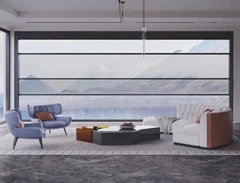

When it comes to sliding doors, the choice of glass is crucial as it not only impacts the aesthetic appeal of your space but also determines functionality, energy efficiency, and safety. As a leading supplier of glass for sliding doors, I've had the privilege of working with a wide range of clients, from homeowners looking to upgrade their living spaces to commercial property developers in need of durable and stylish solutions. In this blog, I'll delve into the different types of glass available for sliding doors and help you determine the best option for your specific needs.
1. Float Glass
Float glass is the most basic type of glass used in sliding doors. It is made by floating molten glass on a bed of molten tin, which results in a smooth and uniform surface. This glass is relatively inexpensive and widely available, making it a popular choice for budget - conscious consumers.
One of the main advantages of float glass is its clarity. It offers an unobstructed view of the outside, allowing natural light to flood into the interior space. However, float glass has its limitations. It is relatively thin and not very strong, making it more susceptible to breakage. It also has poor insulation properties, which means it can contribute to heat loss in the winter and heat gain in the summer, leading to higher energy bills.
2. Tempered Glass
Tempered glass is a type of safety glass that is heat - treated to increase its strength. It is approximately four times stronger than float glass and is designed to break into small, rounded pieces rather than sharp shards when shattered. This makes it a much safer option, especially in areas where there is a risk of impact, such as in sliding doors that are frequently used.
Tempered glass is commonly used in both residential and commercial sliding doors. In addition to its safety features, it also offers better resistance to thermal stress. This means it can withstand greater temperature changes without cracking or breaking. However, tempered glass is more expensive than float glass, and once it is tempered, it cannot be cut or modified.
3. Laminated Glass
Laminated glass consists of two or more layers of glass bonded together with a layer of polyvinyl butyral (PVB) in between. This interlayer holds the glass together when it breaks, preventing it from shattering into dangerous pieces. Laminated glass is often used in sliding doors for its security and noise - reduction properties.
The PVB interlayer also provides some level of insulation, helping to reduce heat transfer and improve energy efficiency. It can also block a significant amount of ultraviolet (UV) radiation, which can help protect your furniture and flooring from fading. Laminated glass is more expensive than both float and tempered glass, but its added benefits make it a worthwhile investment, especially for high - end residential properties or commercial buildings.
4. Insulated Glass Units (IGUs)
Insulated glass units, also known as double - or triple - glazed windows, consist of two or three panes of glass separated by a spacer and sealed around the edges. The space between the panes is filled with air or an inert gas, such as argon or krypton, which acts as an insulator.
IGUs are highly energy - efficient, as they reduce heat transfer through the glass. This can lead to significant savings on heating and cooling costs over time. They also provide better sound insulation, making them ideal for homes located near busy roads or in noisy environments. However, IGUs are more expensive than single - pane glass options, and they require proper installation to ensure their effectiveness.
5. Low - E Glass
Low - emissivity (Low - E) glass is coated with a thin layer of metal or metallic oxide that reflects heat while allowing visible light to pass through. This coating helps to reduce heat transfer, making it an excellent choice for improving energy efficiency in sliding doors.
In the winter, Low - E glass reflects heat back into the room, keeping your home warm. In the summer, it reflects the sun's heat away from the building, reducing the need for air conditioning. Low - E glass can be used in combination with other types of glass, such as tempered or laminated glass, to provide both energy efficiency and safety benefits. It is a bit more expensive than regular glass, but the long - term energy savings can offset the initial cost.
Choosing the Best Glass for Your Sliding Doors
The best type of glass for your sliding doors depends on several factors, including your budget, the location of the doors, and your specific needs. If you are on a tight budget and safety is not a major concern, float glass may be a suitable option. However, if safety is your top priority, tempered or laminated glass is the way to go.
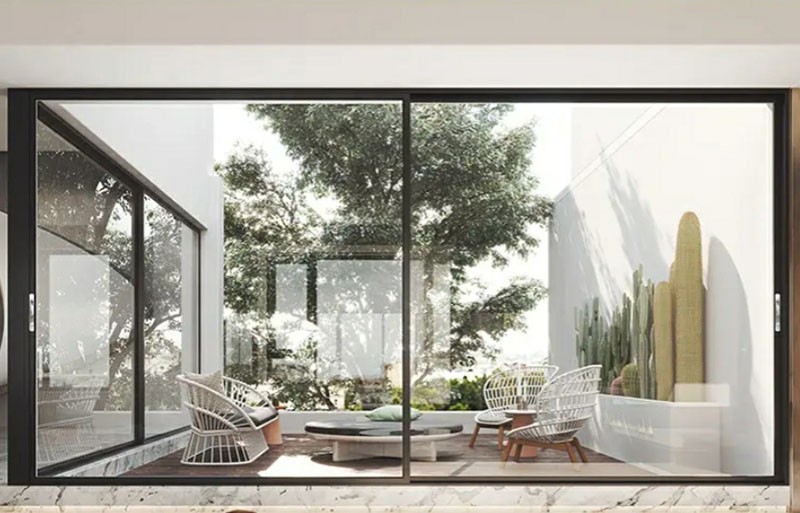

For those looking to improve energy efficiency, Insulated Glass Units (IGUs) or Low - E glass are excellent choices. They can help you save money on energy bills in the long run and make your home more comfortable. If you live in a noisy area or want to enhance the security of your property, laminated glass is a great option.
When selecting the glass for your sliding doors, it's also important to consider the overall design of your space. The glass should complement the style of your home or building and enhance its aesthetic appeal. You can also explore options such as Window Treatments For Sliding Doors to further customize the look and functionality of your sliding doors.
Conclusion
As a supplier of glass for sliding doors, I understand that choosing the right glass can be a daunting task. There are many factors to consider, and each type of glass has its own advantages and disadvantages. However, by understanding your needs and priorities, you can make an informed decision that will provide you with a sliding door that is not only beautiful but also functional and energy - efficient.
If you're interested in Panoramic Patio Doors or Sliding Glass Door Window Treatments, we can offer a wide range of options to meet your requirements. Whether you're a homeowner looking to upgrade your living space or a commercial developer in need of high - quality glass solutions, we're here to help.
If you have any questions or would like to discuss your sliding door glass needs further, please don't hesitate to reach out. We're happy to provide you with more information and help you select the best glass for your project. Contact us today to start the conversation about finding the perfect glass for your sliding doors.
References
- "Glass for Windows and Doors: A Guide to Types and Benefits." Glass Association of North America.
- "Energy - Efficient Windows and Doors." U.S. Department of Energy.
- "Safety Glass Standards and Applications." International Code Council.