



As a supplier of Flush Double Glazing, I am often asked about the insulation properties of this remarkable product. In this blog, I will delve into the science behind the insulation of flush double glazing, its benefits, and how it compares to other types of glazing.
Understanding the Basics of Double Glazing
Double glazing consists of two glass panes separated by a spacer filled with air or an inert gas such as argon. This design creates a barrier that reduces the transfer of heat between the inside and outside of a building. The principle behind this is simple: air is a poor conductor of heat, so the layer of air or gas between the glass panes acts as an insulator, slowing down the movement of heat.
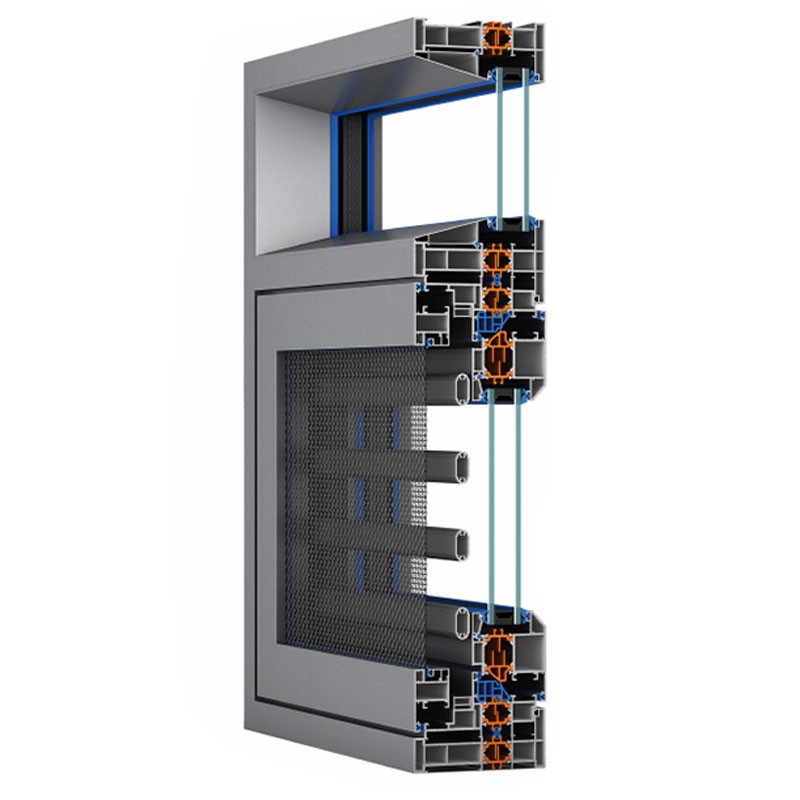

Flush double glazing, in particular, offers a sleek and modern appearance as the glass sits flush with the frame. This not only enhances the aesthetic appeal of a building but also contributes to its insulation performance. The tight seal between the glass and the frame reduces air leakage, which is a significant factor in heat loss.
How Flush Double Glazing Insulates
The insulation performance of flush double glazing is primarily determined by three factors: the type of glass used, the gas filling between the panes, and the quality of the seals.
Glass Type
The choice of glass can have a significant impact on insulation. Low-emissivity (low-E) glass is a popular option for double glazing. It has a special coating that reflects heat back into the room, reducing the amount of heat that escapes through the glass. This is particularly effective in colder climates, where retaining heat is crucial.
Gas Filling
As mentioned earlier, the space between the glass panes can be filled with air or an inert gas. Argon is commonly used because it is denser than air and has better insulating properties. It reduces the transfer of heat by conduction, further improving the overall insulation performance of the double glazing.
Seals
The seals around the edges of the glass panes are essential for maintaining the integrity of the double glazing unit. High-quality seals prevent air and moisture from entering the space between the panes, ensuring that the gas filling remains intact. This not only improves insulation but also extends the lifespan of the double glazing.
Benefits of Flush Double Glazing Insulation
The insulation properties of flush double glazing offer numerous benefits for homeowners and building owners.
Energy Efficiency
One of the most significant advantages of flush double glazing is its energy efficiency. By reducing heat loss in the winter and heat gain in the summer, it can significantly lower energy consumption and utility bills. This is not only good for the environment but also for your wallet.
Comfort
Flush double glazing helps to maintain a more consistent indoor temperature, eliminating cold spots and drafts. This creates a more comfortable living or working environment, especially in extreme weather conditions.
Noise Reduction
In addition to thermal insulation, flush double glazing also provides excellent noise reduction. The layer of air or gas between the glass panes acts as a sound barrier, reducing the amount of external noise that enters the building. This is particularly beneficial for properties located near busy roads, airports, or other noisy areas.
Condensation Control
Flush double glazing helps to reduce condensation on the inside of the windows. The insulation properties prevent the glass from getting too cold, which reduces the likelihood of water vapor condensing on the surface. This not only improves visibility but also helps to prevent mold and mildew growth.
Comparing Flush Double Glazing with Other Glazing Options
When it comes to choosing the right glazing for your property, it's important to consider how flush double glazing compares to other options.
Single Glazing
Single glazing consists of a single pane of glass, which offers very little insulation. It is much more prone to heat loss and condensation compared to double glazing. As a result, single glazing is not energy-efficient and can make a property less comfortable to live in.
Triple Glazing
Triple glazing takes the concept of double glazing a step further by adding a third pane of glass and an additional layer of gas. This provides even better insulation than double glazing, but it also comes at a higher cost. While triple glazing may be a good option for properties in extremely cold climates or those with high noise levels, flush double glazing is often a more cost-effective choice for most applications.
Applications of Flush Double Glazing
Flush double glazing is suitable for a wide range of applications, including residential and commercial buildings.
Residential Buildings
In residential buildings, flush double glazing can be used in windows and doors to improve energy efficiency, comfort, and security. It is available in a variety of styles and colors to match the architectural design of any home. For example, Tilt And Turn Casement Windows and Flush Double Glazing Casement Windows are popular choices for residential properties.
Commercial Buildings
In commercial buildings, flush double glazing can help to reduce energy costs and create a more comfortable working environment for employees. It is also an important consideration for building owners who want to meet energy efficiency standards and regulations. Secure Storm Casement Windows are a great option for commercial buildings, providing both insulation and security.
Conclusion
In conclusion, the insulation properties of flush double glazing make it an excellent choice for any property. Its ability to reduce heat loss, improve energy efficiency, and provide a comfortable living or working environment is unmatched by other glazing options. As a supplier of flush double glazing, I am committed to providing high-quality products that meet the needs of our customers.
If you are interested in learning more about flush double glazing or would like to discuss your specific requirements, please feel free to contact us. We would be happy to provide you with more information and help you make an informed decision about your glazing needs.
References
- Glass and Glazing Federation. (n.d.). Double Glazing. Retrieved from [Website URL]
- Energy Saving Trust. (n.d.). Double Glazing. Retrieved from [Website URL]
- Building Regulations. (n.d.). Glazing Requirements. Retrieved from [Website URL]