


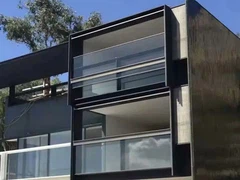


Sliding window techniques are not only valuable in algorithmic problem - solving but also highly relevant in the real - world context of window products. As a sliding window supplier, I'll share how the concept of the sliding window can be used for string problems in programming and also highlight our diverse range of sliding window products.
Understanding the Sliding Window Concept
In programming, the sliding window technique is a powerful strategy used to solve a variety of problems, especially those related to arrays and strings. The basic idea behind the sliding window is to create a window of a certain size that moves across the string or array. This window can be adjusted in size depending on the problem requirements.
Let's take a simple example of finding the maximum sum of a sub - array of a given size k in an array. We can use a sliding window approach. Initially, we calculate the sum of the first k elements. Then, as we move the window one step at a time, we subtract the element that goes out of the window and add the new element that comes into the window.
When it comes to string problems, the sliding window can be used in multiple ways. For instance, we can use it to find the longest substring with distinct characters.
Solving String Problems with Sliding Window
Longest Substring with Distinct Characters
Suppose we want to find the longest substring with distinct characters in a given string. We can use a sliding window approach.
We'll maintain a window that expands as long as all the characters within the window are distinct. Once we encounter a character that is already in the window, we start shrinking the window from the left until the repeated character is removed.
Here is the Python code to solve this problem:
def longest_substring_with_distinct_chars(s):
    window_start = 0
    max_length = 0
    char_index_map = {}

    for window_end in range(len(s)):
        right_char = s[window_end]
        if right_char in char_index_map:
            window_start = max(window_start, char_index_map[right_char] + 1)
        char_index_map[right_char] = window_end
        max_length = max(max_length, window_end - window_start + 1)

    return max_length
In this code, we use a dictionary char_index_map to keep track of the last index of each character. When we encounter a repeated character, we adjust the window_start to the position right after the last occurrence of that character.
Counting Substrings with a Given Pattern
Another common string problem is to count the number of substrings in a given string that match a certain pattern. We can use a sliding window to solve this problem.
We first create a frequency map of the characters in the pattern. Then, as we slide the window across the string, we create a frequency map of the characters in the window. If the frequency maps of the window and the pattern match, we increment our count.
from collections import Counter

def count_substrings_with_pattern(s, pattern):
    pattern_freq = Counter(pattern)
    window_start = 0
    matched = 0
    count = 0

    for window_end in range(len(s)):
        right_char = s[window_end]
        if right_char in pattern_freq:
            pattern_freq[right_char] -= 1
            if pattern_freq[right_char] == 0:
                matched += 1

        if matched == len(pattern_freq):
            count += 1

        if window_end >= len(pattern) - 1:
            left_char = s[window_start]
            if left_char in pattern_freq:
                if pattern_freq[left_char] == 0:
                    matched -= 1
                pattern_freq[left_char] += 1
            window_start += 1

    return count
In this code, we use the Counter class from the collections module to create frequency maps. We keep track of the number of characters that match the pattern within the window using the matched variable.
Our Sliding Window Products
As a sliding window supplier, we offer a wide range of high - quality sliding windows. Our Vertical Sliding Window is a popular choice for many customers. It provides a classic and elegant look to any building. The vertical sliding mechanism allows for easy operation and ventilation control.
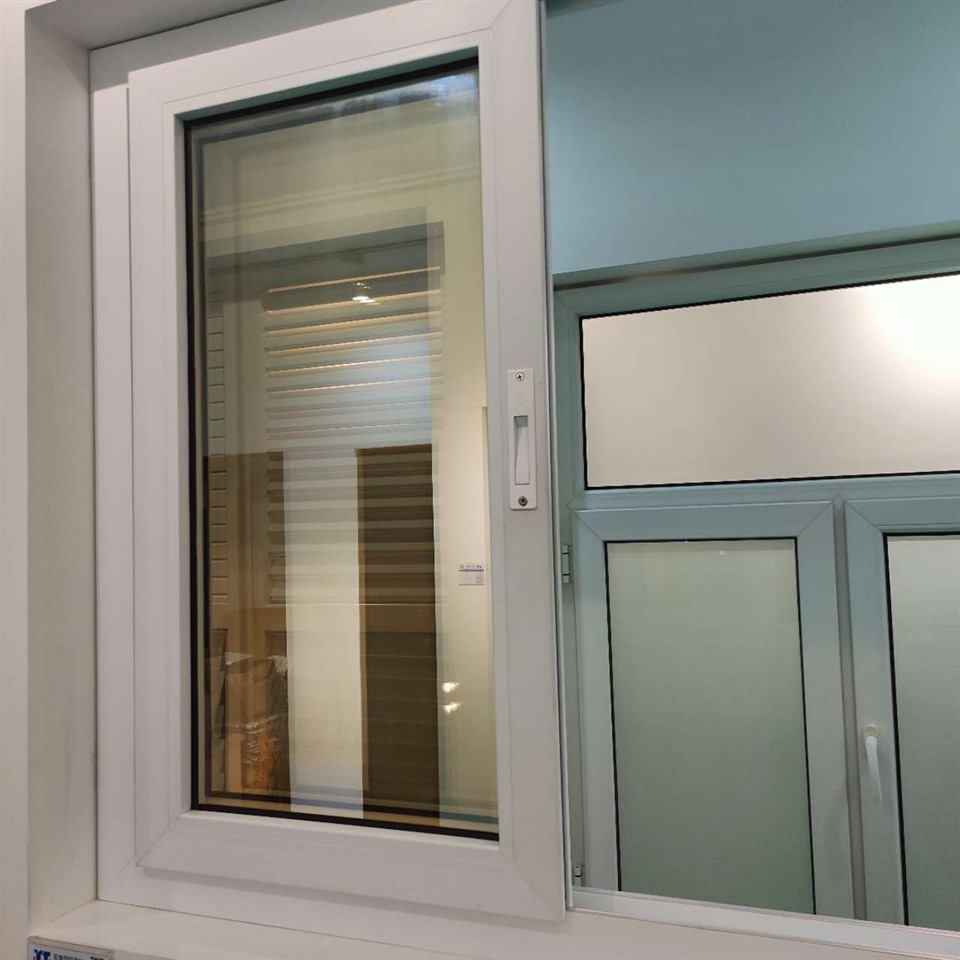
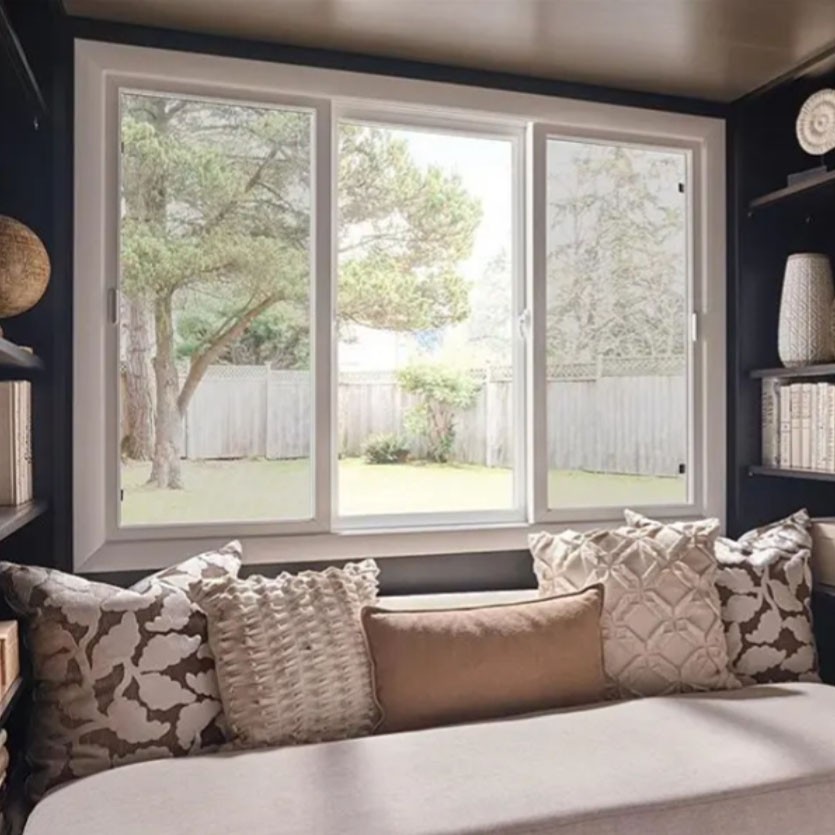
Our Slider Windows are known for their smooth sliding action. They are available in various sizes and styles, making them suitable for different architectural designs. Whether you need a small window for a bathroom or a large one for a living room, we have the right solution for you.
For customers with specific requirements, we also offer Custom Sliding Window options. You can choose the size, frame material, glass type, and other features according to your needs. Our team of experts will work closely with you to ensure that your custom window meets your expectations.
Conclusion and Call to Action
The sliding window technique is a versatile tool in programming for solving string problems. It allows us to solve complex problems efficiently by reducing the time complexity. At the same time, in the real - world context, our sliding window products provide practical and aesthetic solutions for your building needs.
If you are interested in our sliding window products or have any questions about our offerings, we encourage you to reach out to us. We are ready to discuss your requirements and provide you with the best solutions. Our team of professionals will guide you through the selection process and ensure a smooth purchasing experience.
References
- Cormen, T. H., Leiserson, C. E., Rivest, R. L., & Stein, C. (2009). Introduction to Algorithms. MIT Press.
- Sedgewick, R., & Wayne, K. (2011). Algorithms. Addison - Wesley Professional.