


Condensation on windows can be a persistent and frustrating problem, especially in regions with high humidity or significant temperature variations. As a supplier of gliding windows, understanding and addressing the condensation resistance of our products is crucial. In this blog, we'll explore what condensation resistance means for gliding windows, the factors that affect it, and how our products are designed to minimize this common issue.
What is Condensation on Windows?
Before delving into condensation resistance, it's essential to understand what condensation is and why it occurs on windows. Condensation forms when warm, moist air comes into contact with a cold surface. Inside a building, the air can hold a significant amount of moisture, especially in kitchens, bathrooms, or during the winter when indoor heating is used. When this warm, moist air reaches a window, which is typically cooler due to the outdoor temperature, the water vapor in the air cools and changes from a gas to a liquid state. This process is known as condensation.
The Importance of Condensation Resistance in Gliding Windows
Condensation on gliding windows is not just a cosmetic issue. It can lead to several problems, including:
- Mold and Mildew Growth: Excess moisture provides an ideal environment for mold and mildew to thrive. These fungi can cause health problems, especially for those with allergies or respiratory issues.
- Damage to Window Frames and Surroundings: Prolonged exposure to moisture can cause wood frames to rot, metal frames to corrode, and paint to peel. It can also damage the wall and flooring around the window.
- Reduced Energy Efficiency: Condensation reduces the insulating properties of the window, making it harder to maintain a comfortable indoor temperature and increasing energy costs.
Factors Affecting the Condensation Resistance of Gliding Windows
Several factors influence the condensation resistance of gliding windows. Understanding these factors can help us design and manufacture windows that are more resistant to condensation.
- Glass Type: The type of glass used in gliding windows plays a significant role in condensation resistance. Double - or triple - glazed windows are more effective at reducing condensation compared to single - glazed windows. Double - glazed windows consist of two panes of glass separated by a layer of air or an insulating gas, such as argon. This insulation layer reduces the transfer of heat between the inside and outside of the building, keeping the inner surface of the glass warmer and reducing the likelihood of condensation.
- Frame Material: The frame material also affects condensation resistance. Materials with low thermal conductivity, such as vinyl or fiberglass, are better at preventing heat transfer than metal frames. Metal frames can act as a cold bridge, conducting heat from the inside to the outside and causing the inner surface of the window to be colder, which increases the risk of condensation.
- Window Design: The design of the gliding window can impact condensation resistance. Proper ventilation and drainage systems are essential to prevent moisture from accumulating around the window. For example, some gliding windows are designed with weep holes at the bottom of the frame to allow water to drain out.
- Indoor Humidity Levels: High indoor humidity levels increase the likelihood of condensation on windows. Activities such as cooking, showering, and drying clothes indoors can raise humidity levels. It's important to maintain indoor humidity between 30% and 50% to reduce the risk of condensation.
Our Gliding Windows' Condensation Resistance Features
As a gliding window supplier, we are committed to providing high - quality products with excellent condensation resistance. Here are some of the features of our gliding windows:
- Advanced Glass Technology: Our gliding windows are equipped with double - or triple - glazed glass with a low - emissivity (Low - E) coating. The Low - E coating reflects heat back into the room, keeping the inner surface of the glass warmer and reducing condensation.
- High - Quality Frame Materials: We use vinyl and fiberglass frames for their excellent thermal insulation properties. These materials prevent heat transfer and help maintain a consistent temperature across the window surface, minimizing the risk of condensation.
- Innovative Design: Our gliding windows are designed with proper ventilation and drainage systems. The frames are engineered to allow air to circulate and water to drain away effectively, preventing moisture buildup.
Different Types of Our Gliding Windows and Their Condensation Resistance
We offer a variety of gliding windows to meet different customer needs, each with its own condensation - resistant features.
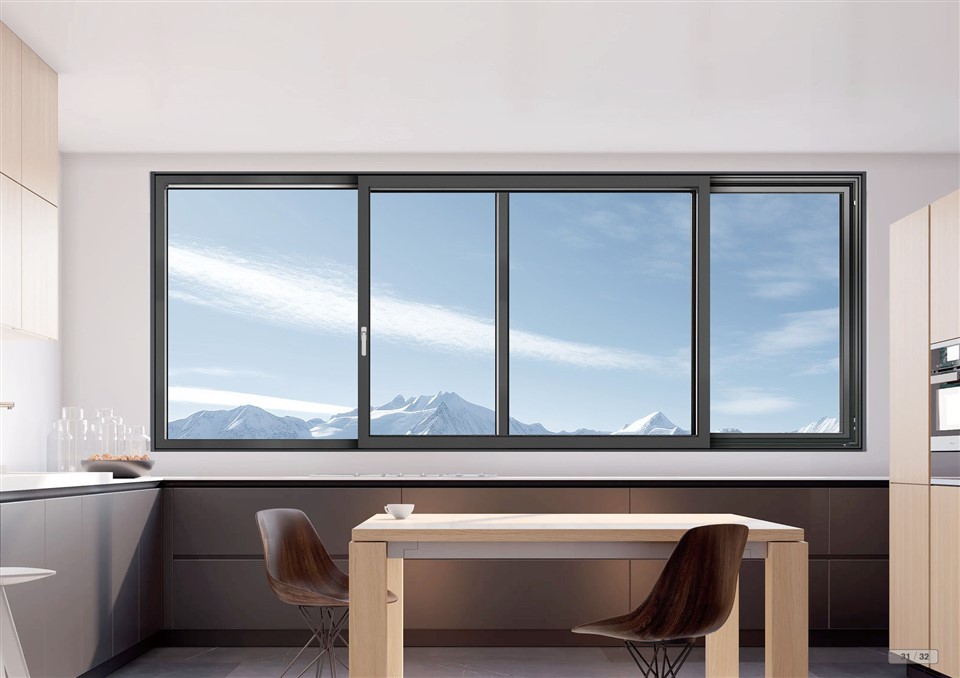
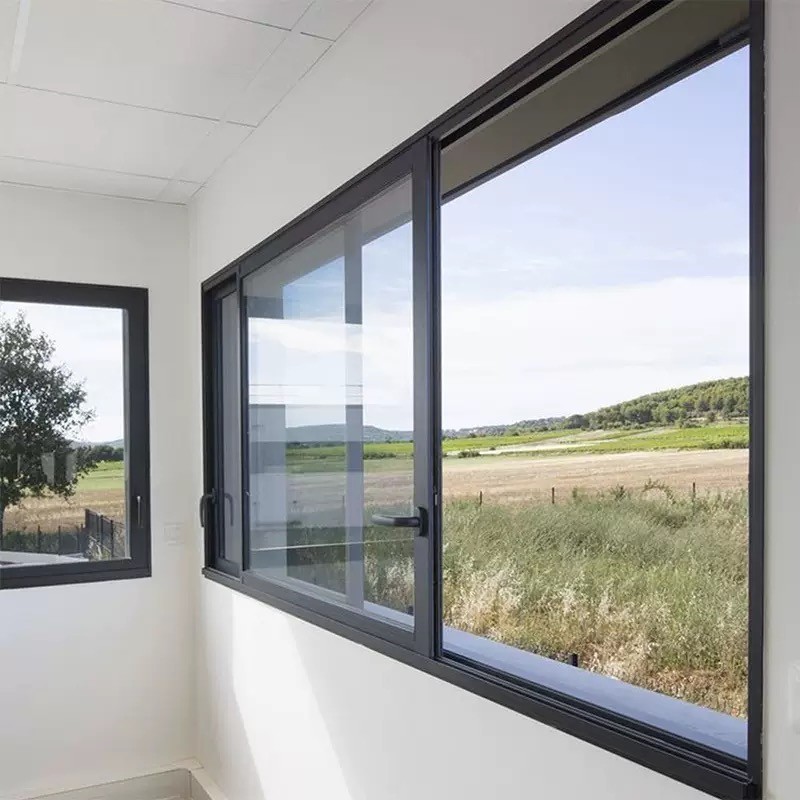
- Side Sliding Window: Our side sliding windows are designed for easy operation and maximum ventilation. They feature double - glazed glass and a well - insulated frame, providing excellent condensation resistance. The smooth sliding mechanism ensures a tight seal when the window is closed, preventing warm, moist air from entering the gap between the window panes.
- Custom Sliding Window: For customers with specific requirements, we offer custom sliding windows. These windows can be tailored to fit any size or shape of the opening and can be equipped with the latest condensation - resistant technologies. Whether it's a large picture window or a small bathroom window, our custom sliding windows are designed to perform well in different environments.
- 40dB Soundproof Sliding Windows: Our 40dB soundproof sliding windows not only provide excellent noise reduction but also have high condensation resistance. The multi - layer glass and advanced sealing technology used in these windows not only block sound but also prevent heat transfer and moisture buildup.
Tips for Reducing Condensation on Gliding Windows
In addition to choosing high - quality gliding windows with good condensation resistance, there are some steps you can take to reduce condensation in your home:
- Ventilate Your Home: Open windows regularly to allow fresh air to circulate and reduce indoor humidity levels. Use exhaust fans in kitchens and bathrooms when cooking or showering.
- Use a Dehumidifier: A dehumidifier can help remove excess moisture from the air, especially in areas with high humidity. Place the dehumidifier in rooms where condensation is a problem, such as basements or bathrooms.
- Insulate Your Home: Proper insulation can help maintain a consistent indoor temperature and reduce the temperature difference between the inside and outside of the window. Insulate walls, ceilings, and floors to prevent heat loss.
Conclusion
Condensation resistance is an important consideration when choosing gliding windows. At our company, we understand the impact of condensation on windows and the importance of providing solutions that address this issue. Our gliding windows are designed with advanced glass technology, high - quality frame materials, and innovative design features to minimize condensation and provide a comfortable, energy - efficient living environment.
If you're interested in learning more about our gliding windows or would like to discuss your specific requirements, we invite you to contact us for a consultation. Our team of experts is ready to assist you in finding the perfect gliding windows for your home or project.
References
- ASHRAE Handbook - Fundamentals. American Society of Heating, Refrigerating and Air - Conditioning Engineers.
- Window & Door Manufacturers Association. Technical information on window performance.