




As a supplier of new casement windows, I'm often asked about the hardware that goes into these modern marvels. Casement windows have come a long way in terms of design, functionality, and energy efficiency, and a significant part of their performance is attributed to the hardware components used. In this blog, I'll delve into the various types of hardware commonly found in new casement windows, explaining their functions and importance.
Hinges
Hinges are the unsung heroes of casement windows. They are the components that allow the window sash to swing open and closed. There are several types of hinges used in new casement windows, each with its own set of advantages.
Butt Hinges: These are the most traditional type of hinges. They are simple in design, consisting of two plates joined by a pin. Butt hinges are known for their durability and strength. They can support heavy sashes and are often used in larger casement windows. However, they are more visible than other types of hinges, which may not be ideal for some aesthetic preferences.
Pivot Hinges: Pivot hinges allow the window to rotate around a central point. This type of hinge is often used in casement windows that need to open in a unique way, such as top - hung or side - hung windows. Pivot hinges provide smooth operation and can be adjusted to ensure proper alignment of the window sash.
Continuous Hinges: Also known as piano hinges, continuous hinges run the entire length of the window sash and frame. They offer excellent support and stability, especially for larger or heavier windows. Continuous hinges are less likely to sag over time, ensuring that the window remains in good working condition for a long time.
Locks
Locks are crucial for the security and functionality of casement windows. They prevent unauthorized entry and also help to keep the window tightly sealed when closed.
Sash Locks: These are the most common type of locks used in casement windows. Sash locks typically consist of a striker plate on the frame and a locking mechanism on the sash. When the window is closed, the locking mechanism engages with the striker plate, securing the window. Some sash locks also have additional features, such as keyed entry for added security.
Multi - Point Locks: Multi - point locks are becoming increasingly popular in new casement windows. Instead of a single locking point, multi - point locks have several locking points along the edge of the window sash. This provides a more secure seal and better resistance to forced entry. Multi - point locks also help to distribute the pressure evenly across the window, reducing the risk of air and water leakage.
Handles
Handles are the interface between the user and the casement window. They are used to open and close the window, as well as to operate the locking mechanism.
Side - Mounted Handles: Side - mounted handles are the most common type of handles used in casement windows. They are typically located on the side of the window sash and are easy to reach and operate. Side - mounted handles come in a variety of styles and finishes, allowing you to choose one that matches the overall aesthetic of your window and home.
Top - Mounted Handles: Top - mounted handles are used in top - hung casement windows. They are located on the top of the window sash and are designed to be operated from below. Top - mounted handles provide a convenient way to open and close top - hung windows, especially in areas where side - mounted handles may not be practical.
Weatherstripping
Weatherstripping is an essential component of new casement windows. It helps to seal the gap between the window sash and the frame, preventing air and water leakage.
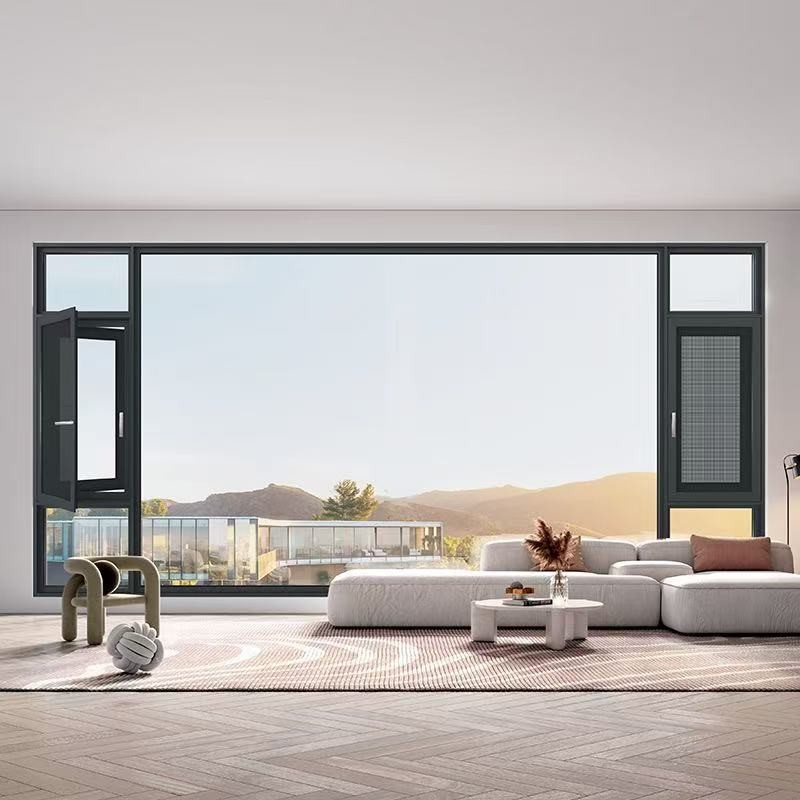

Foam Weatherstripping: Foam weatherstripping is a popular choice for casement windows. It is inexpensive, easy to install, and provides good insulation. Foam weatherstripping comes in various densities and thicknesses, allowing you to choose the one that best suits your needs.
Rubber Weatherstripping: Rubber weatherstripping is more durable than foam weatherstripping and provides a better seal. It is often used in high - end casement windows or in areas where there is a high risk of air and water infiltration. Rubber weatherstripping can withstand extreme temperatures and is resistant to UV rays, ensuring long - term performance.
Other Hardware Components
In addition to the above - mentioned hardware components, there are several other components that are used in new casement windows.
Window Balances: Window balances are used to counterbalance the weight of the window sash, making it easier to open and close. They are especially important in larger or heavier casement windows.
Cable and Pulley Systems: Some casement windows use cable and pulley systems to assist with the opening and closing of the window. These systems are often used in windows that need to open in a specific way or in windows with unique design requirements.
Vent Stops: Vent stops are used to limit the opening of the casement window. They are useful for safety reasons, especially in homes with children or pets. Vent stops can be adjusted to allow for different levels of ventilation.
High - Performance Hardware for Specialized Casement Windows
When it comes to specialized casement windows, such as Truth Casement Windows, Triple Glazed Casement Windows, and New Construction Casement Windows, high - performance hardware is often required.
Truth Casement Windows are known for their quality and durability. They often use premium - grade hinges, locks, and handles to ensure smooth operation and long - term performance. The hardware used in Truth Casement Windows is designed to withstand the rigors of daily use and harsh weather conditions.
Triple Glazed Casement Windows offer superior insulation and energy efficiency. To maintain the integrity of the triple - glazed unit, special hardware is needed. This may include multi - point locks that provide a tight seal and weatherstripping that is specifically designed for triple - glazed windows. The hardware also needs to be able to support the additional weight of the triple - glazed sash.
New Construction Casement Windows are designed to be installed during the construction of a new building. They often require hardware that is easy to install and compatible with the building's framing system. The hardware for new construction casement windows may also need to meet certain building codes and standards.
Conclusion
The hardware used in new casement windows plays a vital role in their performance, security, and energy efficiency. From hinges and locks to handles and weatherstripping, each component is carefully selected to ensure that the window functions properly and meets the needs of the user. As a supplier of new casement windows, I understand the importance of using high - quality hardware. If you are in the market for new casement windows or need to replace the hardware on your existing windows, I encourage you to reach out to me. We can discuss your specific requirements and find the best hardware solutions for your casement windows. Contact me today to start the procurement and negotiation process, and let's work together to enhance the beauty and functionality of your home or building.
References
- "Window Hardware Handbook" by Window Hardware Association
- "Casement Window Design and Installation Guide" by National Window Manufacturers Association