




What is the Fire - Resistance Rating of a Sliding Glass Door?
As a supplier of sliding glass doors, I often get asked about the fire - resistance rating of these products. Understanding the fire - resistance rating of a sliding glass door is crucial for both residential and commercial applications, as it can significantly impact the safety and compliance of a building.
Understanding Fire - Resistance Ratings
Fire - resistance ratings are standardized measures that indicate how long a building component, such as a door, can withstand the effects of a fire. These ratings are typically expressed in hours, such as 30 minutes, 60 minutes, or even 120 minutes. The rating is determined through rigorous testing in a laboratory environment, where the door is exposed to a controlled fire under specific conditions.
During the test, the door is evaluated based on several criteria. One of the primary factors is the ability to prevent the passage of flames and hot gases through the door. This is important because flames and hot gases can spread the fire to other parts of the building, endangering the lives of occupants and causing more extensive damage. Another criterion is the integrity of the door structure. The door should maintain its physical shape and not collapse under the intense heat of the fire.
Factors Affecting the Fire - Resistance Rating of Sliding Glass Doors
Several factors can influence the fire - resistance rating of a sliding glass door. One of the most significant factors is the type of glass used. There are different types of fire - rated glass available on the market, each with its own level of fire - resistance.
- Wired Glass: Wired glass has been used for many years as a fire - rated glazing material. It contains a wire mesh embedded within the glass, which helps to hold the glass together when it is exposed to heat. This prevents the glass from shattering and falling out of the frame, maintaining the integrity of the barrier. However, wired glass has some limitations. It can become opaque when heated, reducing visibility, and it may not provide the same level of insulation as other types of fire - rated glass.
- Laminated Glass: Laminated glass consists of two or more layers of glass bonded together with a plastic interlayer. In the event of a fire, the plastic interlayer helps to hold the glass fragments in place, preventing them from falling and creating an opening for flames and smoke. Laminated glass can provide a higher level of fire - resistance compared to wired glass and also offers better insulation and soundproofing properties.
- Insulated Glass Units (IGUs): IGUs are made up of two or more glass panes separated by a spacer and filled with an insulating gas. Some IGUs can be designed to have fire - resistance properties. The insulating gas between the panes helps to slow down the transfer of heat, increasing the time the door can withstand a fire.
The frame of the sliding glass door also plays a crucial role in its fire - resistance rating. A well - designed and properly installed frame can help to contain the fire and prevent it from spreading. Frames are typically made of materials such as steel, aluminum, or wood. Steel frames are known for their strength and fire - resistance, while aluminum frames are lightweight and corrosion - resistant. Wood frames can also be treated to improve their fire - resistance.
Applications of Fire - Rated Sliding Glass Doors
Fire - rated sliding glass doors have a wide range of applications in both residential and commercial buildings.
In residential settings, fire - rated sliding glass doors can be used in areas where there is a risk of fire spreading, such as between a garage and a living area. They can also be installed in homes located in high - fire - risk areas, such as near forests or in regions prone to wildfires. These doors can provide an extra layer of protection for the occupants and help to prevent the fire from quickly engulfing the entire house.
In commercial buildings, fire - rated sliding glass doors are commonly used in areas such as corridors, stairwells, and fire exits. They are required by building codes in many jurisdictions to ensure the safety of employees and customers in the event of a fire. For example, in a shopping mall, fire - rated sliding glass doors can be used to separate different stores and prevent the fire from spreading throughout the complex.
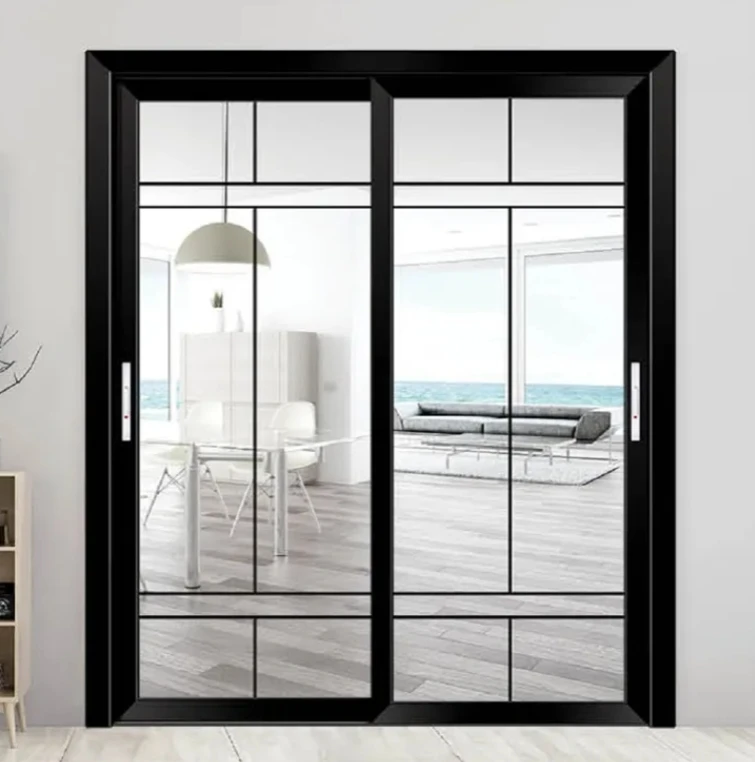

Our Product Offerings
As a sliding glass door supplier, we offer a variety of fire - rated sliding glass doors to meet the different needs of our customers. Our doors are made with high - quality fire - rated glass and durable frames to ensure the best possible fire - resistance.
We have Sliding Glass Shower Doors that are not only stylish but also provide a certain level of fire - resistance. These doors are perfect for bathrooms in both residential and commercial buildings.
For pet owners, we also offer Cat Door For Sliding Glass Door and Sliding Door Doggy Door. These doors are designed to allow pets to move freely while still maintaining the fire - resistance of the sliding glass door.
Importance of Compliance
It is essential for building owners and contractors to ensure that the sliding glass doors they install comply with the relevant fire - safety codes and regulations. Non - compliant doors can pose a significant risk to the safety of the building occupants and may result in legal consequences.
Before purchasing a sliding glass door, it is important to check the fire - resistance rating and ensure that it meets the requirements of the local building codes. Our team of experts can assist you in selecting the right fire - rated sliding glass door for your specific application and ensure that it is installed correctly to maintain its fire - resistance properties.
Contact Us for Procurement
If you are interested in purchasing fire - rated sliding glass doors or have any questions about our products, we encourage you to contact us. Our experienced sales team is ready to provide you with detailed information, answer your queries, and assist you in the procurement process. Whether you are a homeowner looking to enhance the safety of your residence or a contractor working on a commercial project, we have the right solutions for you.
References
- National Fire Protection Association (NFPA). NFPA 252: Standard Methods of Fire Tests of Door Assemblies.
- ASTM International. ASTM E119: Standard Test Methods for Fire Tests of Building Construction and Materials.
- Glass Association of North America (GANA). Fire - Rated Glazing: A Guide for Architects, Designers, and Building Owners.