




The sliding window algorithm is a powerful technique in various fields, especially in data processing and communication systems. As a leading sliding window supplier, we understand the importance of properly initializing the window in the sliding window algorithm. This blog post will guide you through the process of initializing the window in the sliding window algorithm, providing you with valuable insights and practical tips.
Understanding the Sliding Window Algorithm
Before diving into the initialization process, it's essential to understand what the sliding window algorithm is. The sliding window algorithm is a common technique used for solving problems that involve a sequence of data. It works by maintaining a fixed-size window over the data sequence and moving this window from one end of the sequence to the other. This allows for efficient processing of the data by reducing the number of redundant calculations.
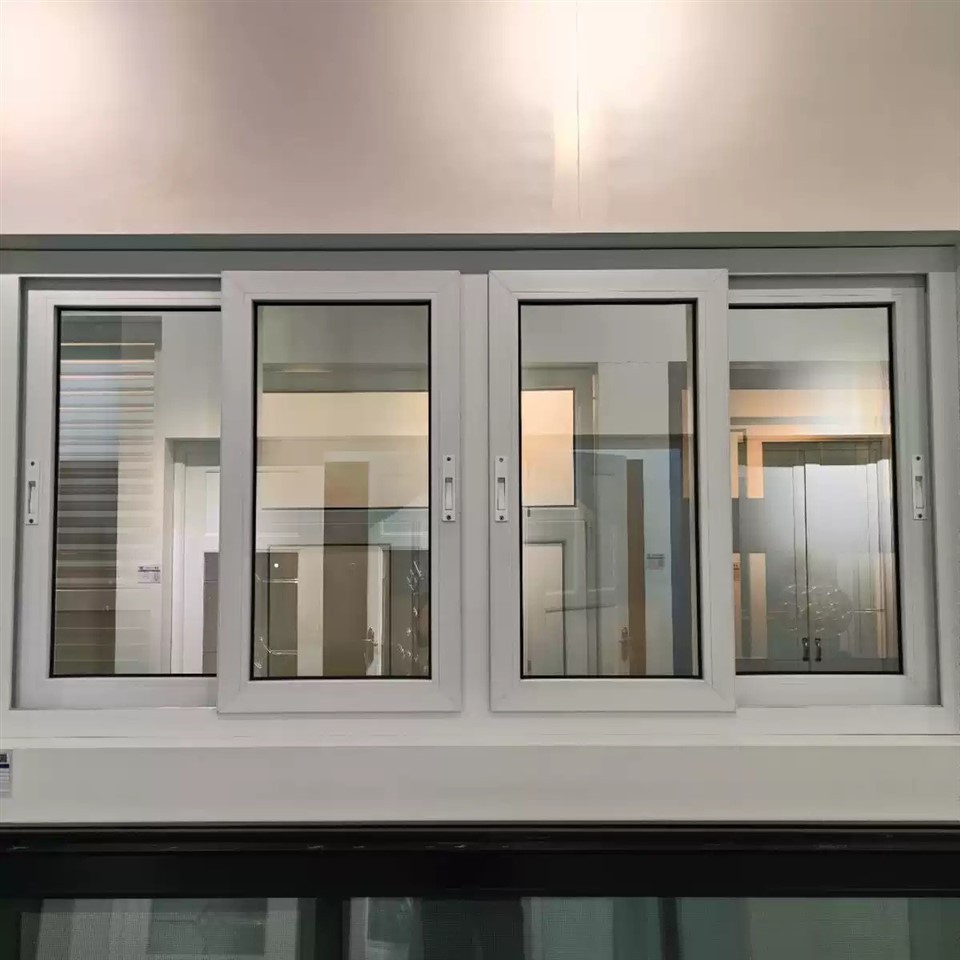
In the context of our products, such as Aluminum Sliding Windows, the sliding window concept can be applied in various ways. For example, in quality control processes where we analyze a sequence of production data, the sliding window algorithm can help us identify trends and patterns more effectively.
Why Initialization Matters
The initialization of the sliding window is a critical step in the algorithm. A proper initialization ensures that the window starts in the correct position and contains the appropriate data for the initial analysis. Incorrect initialization can lead to inaccurate results, wasted computational resources, and in some cases, the algorithm may not work as intended.
For instance, in the case of Sliding Glass Window Treatments, if we are using the sliding window algorithm to analyze customer feedback data, a poorly initialized window may miss important initial trends or patterns, leading to sub - optimal treatment recommendations.
Steps to Initialize the Window in the Sliding Window Algorithm
Step 1: Define the Window Size
The first step in initializing the window is to determine its size. The window size is a crucial parameter that depends on the specific problem you are trying to solve. A smaller window size may provide more detailed and timely information but can also be more sensitive to noise in the data. On the other hand, a larger window size can smooth out the data and capture long - term trends but may be less responsive to short - term changes.
For example, if we are analyzing the energy consumption data of Window For Horizontal Sliding Window over time, we need to choose a window size that strikes a balance between capturing daily fluctuations and long - term seasonal trends.
Step 2: Select the Initial Window Position
Once the window size is defined, the next step is to decide where to place the initial window. In most cases, the window starts at the beginning of the data sequence. However, depending on the problem, you may choose to start the window at a different position. For example, if you are interested in analyzing a specific period of data, you can place the initial window at the start of that period.
Step 3: Populate the Initial Window
After determining the window size and position, the initial window needs to be populated with the appropriate data from the sequence. This involves extracting the data elements within the window's boundaries. For example, if your data sequence is an array of numbers and the window size is n elements, you would extract the first n elements of the array to populate the initial window.
Practical Example of Window Initialization
Let's consider a simple example of using the sliding window algorithm to calculate the moving average of a sequence of numbers. Suppose we have a data sequence [10, 20, 30, 40, 50, 60, 70, 80, 90, 100] and we want to calculate the moving average with a window size of 3.
We first define the window size n = 3. The initial window will start at the beginning of the data sequence, so the position is 0. We then populate the initial window with the first 3 elements of the sequence, which are [10, 20, 30].

To calculate the moving average, we sum up the elements in the window (10 + 20+30 = 60) and divide by the window size (60 / 3 = 20). As the window slides along the sequence, we update the window by removing the oldest element and adding the next element in the sequence and recalculate the average.
Common Challenges in Window Initialization
There are several challenges that you may encounter during the window initialization process. One common challenge is dealing with missing data. If the data sequence contains missing values, you need to decide how to handle them when populating the initial window. You can either skip the missing values, replace them with a default value (such as the mean or median of the available data), or use interpolation methods to estimate the missing values.
Another challenge is choosing the appropriate window size. As mentioned earlier, the window size affects the accuracy and responsiveness of the algorithm. You may need to experiment with different window sizes and evaluate the results using appropriate metrics to find the optimal window size for your problem.
Best Practices for Window Initialization
To ensure a successful initialization of the window in the sliding window algorithm, here are some best practices:
- Understand the problem domain: Deeply understand the nature of the data and the problem you are trying to solve. This will help you make informed decisions about the window size and initial position.
- Test different configurations: Experiment with different window sizes and initial positions to find the best combination for your problem. Use appropriate evaluation metrics to compare the results.
- Handle missing data carefully: Develop a clear strategy for dealing with missing data to ensure the integrity of the algorithm.
- Document your choices: Keep a record of the window size, initial position, and how you handled missing data. This will make it easier to reproduce and validate your results.
Contact Us for Your Sliding Window Needs
As a trusted sliding window supplier, we are committed to providing high - quality products and services. Whether you are in need of Aluminum Sliding Windows, Sliding Glass Window Treatments, or Window For Horizontal Sliding Window, we have the expertise and resources to meet your requirements.
If you are interested in purchasing our products or have any questions regarding the sliding window algorithm and its application in our products, please feel free to contact us for a procurement discussion. We look forward to partnering with you to achieve your goals.
References
- Cormen, T. H., Leiserson, C. E., Rivest, R. L., & Stein, C. (2009). Introduction to Algorithms. MIT Press.
- Sedgewick, R., & Wayne, K. (2011). Algorithms. Addison - Wesley Professional.