



Hey there! As a supplier of gliding windows, I've had my fair share of customers asking about how these windows perform in cold climates. Well, let's dive right into it and explore what makes gliding windows a good or bad choice when the mercury drops.
First off, let's talk about the basic design of gliding windows. They're pretty simple - they slide horizontally along a track, either single - hung or double - hung. This design gives them a sleek look and easy operation. But how does this hold up in cold weather?
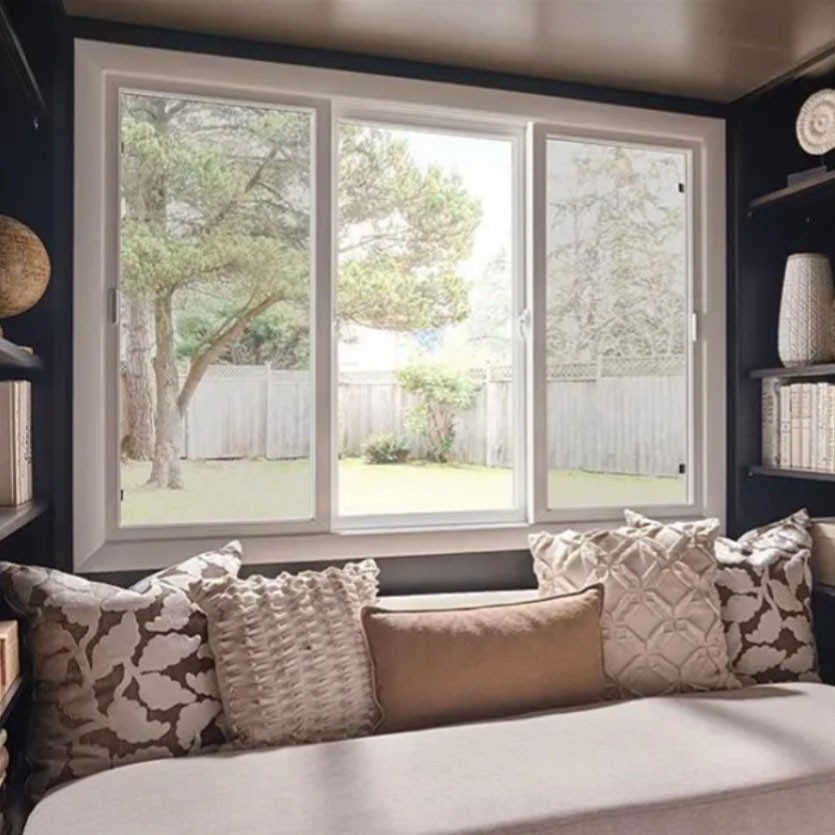
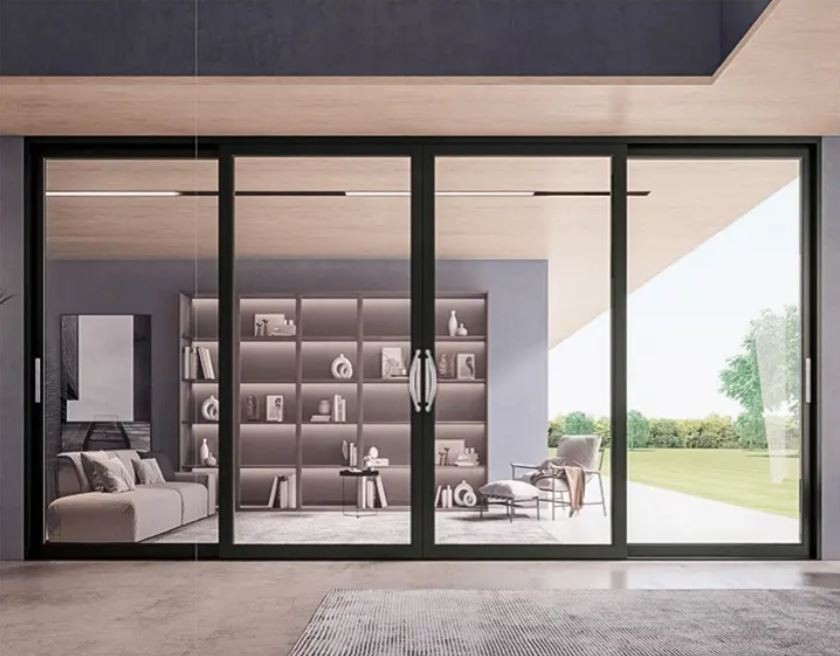
One of the key factors in cold - climate performance is insulation. Gliding windows can be quite effective in this regard. Most modern gliding windows come with double or triple - pane glass. The multiple panes create an insulating air gap between them. This air acts as a barrier, reducing the transfer of heat between the inside and outside of your home. For example, if it's freezing outside, the warm air inside your home won't easily escape through the window, and the cold air won't seep in. This can lead to significant energy savings on your heating bills.
Another important aspect is the frame material. Gliding windows can be made from different materials like vinyl, wood, and aluminum. Vinyl frames are a popular choice in cold climates. They're great insulators because they don't conduct heat well. This means that even if the outside of the frame is cold, the inside will stay relatively warm, preventing cold spots around the window. Wood frames also have good insulating properties, but they require more maintenance to prevent rot and decay. Aluminum frames, on the other hand, are less insulating as they're good conductors of heat. However, many manufacturers now offer thermally broken aluminum frames, which have a barrier to reduce heat transfer.
Sealing is also crucial for cold - climate performance. Gliding windows need to have tight seals around the edges to prevent air leakage. High - quality weatherstripping and gaskets are used to ensure a snug fit. When the seals are in good condition, they can keep out drafts and prevent cold air from sneaking into your home. But over time, these seals can wear out, so it's important to check and replace them regularly.
Now, let's look at some of the potential downsides. One issue with gliding windows in cold climates is that the sliding mechanism can be affected by ice and snow. If there's a build - up of ice on the tracks, it can make the window difficult to open and close. This can be a real hassle, especially if you need to quickly ventilate your home. To combat this, some manufacturers design their tracks to be self - draining, which helps prevent water from pooling and freezing.
Another concern is condensation. In cold weather, the temperature difference between the inside and outside of the window can cause moisture to condense on the glass. If not properly managed, this can lead to mold growth and damage to the window frame. However, with good insulation and ventilation, you can minimize condensation. For instance, using low - emissivity (low - e) glass can help reduce the formation of condensation by reflecting heat back into the room.
Let's take a look at some of the gliding window products we offer here at our company. We have the Sliding Office Reception Window, which is perfect for commercial spaces in cold climates. It's designed with high - quality insulation and seals to keep the office warm and comfortable. Our Replacement Sliding Window is a great option if you're looking to upgrade your existing windows. It can improve the energy efficiency of your home and enhance its cold - climate performance. And for those who need a window for a horizontal sliding setup, our Window For Horizontal Sliding Window is a top - notch choice, with features like double - pane glass and strong seals.
In conclusion, gliding windows can perform well in cold climates if they're properly designed and maintained. They offer good insulation, energy efficiency, and a stylish look. However, you need to be aware of potential issues like ice build - up on tracks and condensation. By choosing the right frame material, ensuring proper sealing, and using high - quality glass, you can make the most of your gliding windows in cold weather.
If you're interested in learning more about our gliding windows or are thinking about a purchase, we'd love to have a chat with you. Whether you're a homeowner looking to upgrade your windows or a contractor working on a commercial project, we can provide the right solutions for you. Reach out to us to start the conversation about finding the perfect gliding windows for your cold - climate needs.
References
- "Energy - Efficient Windows for Cold Climates" by the Department of Energy
- "Window Design and Performance in Extreme Climates" by the National Fenestration Rating Council