





The wind load capacity of a glass window is a critical factor that determines its performance and safety, especially in areas prone to high - speed winds such as coastal regions or high - altitude locations. As a glass window supplier, we understand the importance of providing windows that can withstand various wind conditions. In this blog, we will explore what wind load capacity is, how it is measured, and what factors influence it.
What is Wind Load Capacity?
Wind load capacity refers to the maximum amount of wind force that a glass window can endure without suffering damage or failure. Wind exerts pressure on the surface of a window, and this pressure can be divided into two types: positive pressure and negative pressure. Positive pressure occurs when the wind blows directly against the window, pushing it inwards. Negative pressure, on the other hand, happens when the wind flows around the building and creates a suction effect on the window, pulling it outwards.
The wind load capacity of a window is typically expressed in pounds per square foot (psf) or pascals (Pa). For example, a window with a wind load capacity of 50 psf can withstand a wind force of 50 pounds per square foot without breaking or being displaced.
How is Wind Load Capacity Measured?
The measurement of wind load capacity involves a series of tests and calculations. First, engineers need to determine the basic wind speed for a specific location. This information can be obtained from local building codes or wind maps, which are based on historical wind data. The basic wind speed is then adjusted for factors such as the height of the building, the terrain around the building, and the exposure category of the site.
Once the adjusted wind speed is determined, the wind pressure acting on the window can be calculated using the following formula:
[P = 0.00256V^{2}K_{z}K_{zt}K_{d}]
where (P) is the wind pressure in psf, (V) is the adjusted wind speed in miles per hour, (K_{z}) is the velocity pressure exposure coefficient, (K_{zt}) is the topographic factor, and (K_{d}) is the wind directionality factor.
After calculating the wind pressure, the window is tested in a laboratory environment using a testing apparatus that can simulate different wind conditions. The window is subjected to increasing levels of wind pressure until it fails. The maximum pressure that the window can withstand before failure is recorded as its wind load capacity.
Factors Influencing Wind Load Capacity
Several factors can influence the wind load capacity of a glass window.
Glass Type
The type of glass used in a window plays a significant role in determining its wind load capacity. Tempered glass is stronger and more resistant to wind forces than annealed glass. Tempered glass is heat - treated to increase its strength, and when it breaks, it shatters into small, relatively harmless pieces. Laminated glass, which consists of two or more layers of glass bonded together with a plastic interlayer, also has high wind load capacity. The interlayer holds the glass together even when it is broken, preventing shards from flying out.
Frame Material
The frame material of a window also affects its wind load capacity. Aluminum frames are lightweight, strong, and corrosion - resistant, making them a popular choice for high - wind areas. Vinyl frames are also common, but they may not be as strong as aluminum frames in extreme wind conditions. Wood frames can provide good insulation, but they require regular maintenance and may be more susceptible to damage from moisture and insects.
Window Design
The design of the window, including its size, shape, and installation method, can impact its wind load capacity. Smaller windows generally have higher wind load capacity than larger ones because they have less surface area for the wind to act on. Windows with a square or rectangular shape are more structurally stable than irregularly shaped windows. Proper installation is also crucial. Windows that are not installed correctly may have gaps or weak points, which can reduce their wind load capacity.
Glazing System
The glazing system, which includes the way the glass is held in the frame, can affect the wind load capacity. A well - designed glazing system with proper seals and gaskets can help distribute the wind load evenly across the window and prevent air and water infiltration.

Our Product Range and Wind Load Capacity
As a glass window supplier, we offer a wide range of products with different wind load capacities to meet the needs of various customers.
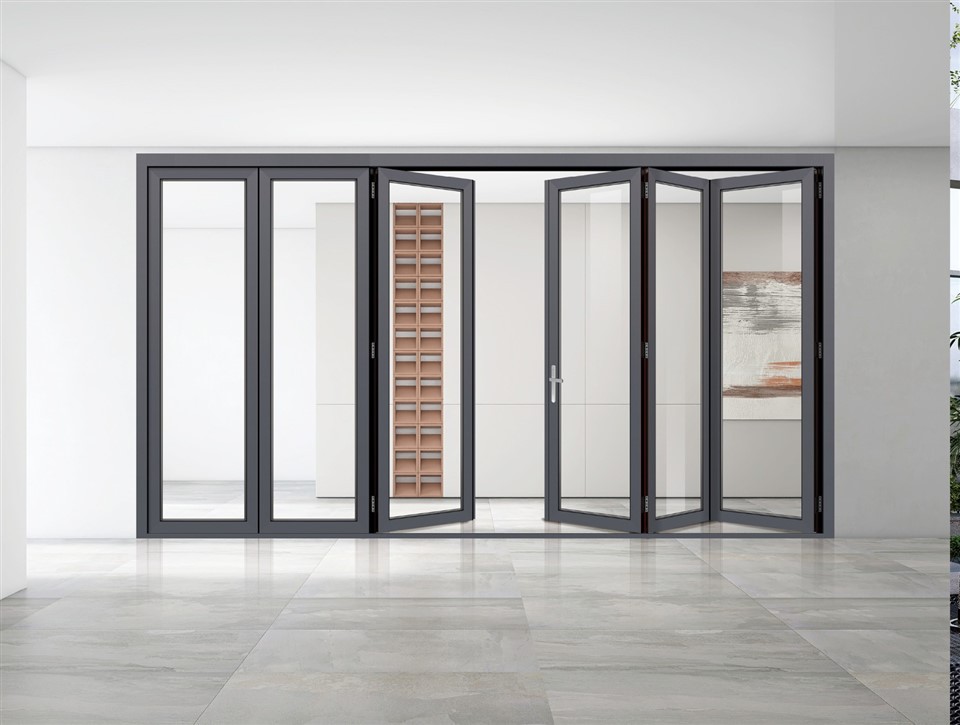
Our Folding Doors are designed to provide both functionality and high wind resistance. These doors are made with high - quality tempered glass and strong aluminum frames, which can withstand significant wind forces. They are suitable for both residential and commercial applications, especially in areas with moderate to high wind speeds.
Our Double Casement Windows are another popular choice. These windows feature a classic design and are known for their excellent ventilation and energy efficiency. The double - hung design provides additional structural support, and the use of laminated glass enhances their wind load capacity.
For customers who need customized solutions, we offer Folding Windows Custom. Our team of experts can work with you to design and manufacture folding windows that meet your specific requirements, including the desired wind load capacity.
Importance of Choosing Windows with Adequate Wind Load Capacity
Choosing windows with adequate wind load capacity is essential for several reasons. Firstly, it ensures the safety of the occupants of a building. Windows that cannot withstand high - speed winds may break or be blown out, posing a significant risk to people inside and outside the building. Secondly, it protects the building from water and air infiltration. When windows fail under wind pressure, water and air can enter the building, causing damage to the interior and reducing energy efficiency. Finally, it helps to comply with local building codes. Most building codes require windows to meet certain wind load requirements to ensure the structural integrity of the building.
How to Select the Right Windows for Your Location
When selecting windows for your location, it is important to consider the local wind conditions. If you live in a coastal area or an area prone to hurricanes or strong winds, you should choose windows with a high wind load capacity. You can consult with a professional engineer or our team of experts to determine the appropriate wind load capacity for your specific location.
In addition to wind load capacity, you should also consider other factors such as energy efficiency, aesthetics, and cost. Our team can provide you with detailed information about our products and help you make an informed decision.
Conclusion
The wind load capacity of a glass window is a crucial factor that should not be overlooked. As a glass window supplier, we are committed to providing high - quality windows that can withstand various wind conditions. Our products, including Folding Doors, Double Casement Windows, and Folding Windows Custom, are designed with the latest technology and materials to ensure maximum safety and performance.
If you are interested in purchasing our glass windows or have any questions about wind load capacity, please feel free to contact us. We look forward to discussing your needs and providing you with the best solutions for your project.
References
- American Society of Civil Engineers (ASCE). (2016). Minimum Design Loads and Associated Criteria for Buildings and Other Structures (ASCE/SEI 7 - 16).
- National Fenestration Rating Council (NFRC). (2020). Fenestration Product Performance Ratings and Labeling Program.
- Window & Door Manufacturers Association (WDMA). (2019). AAMA/WDMA/CSA 101/I.S.2/A440 - 19, North American Fenestration Standard/Specification for Windows, Doors and Skylights.