



As a supplier of Narrow Sliding Windows, I've often been asked whether these innovative windows can be effectively used for resource allocation. In this blog, I'll explore this question in detail, delving into the features of narrow sliding windows, their potential in resource - related applications, and how they compare to other window types.
Understanding Narrow Sliding Windows
Narrow sliding windows are a specialized type of window that offers a unique combination of style and functionality. These windows are characterized by their relatively slim profiles and smooth sliding mechanism. They can be installed horizontally or vertically, depending on the architectural requirements of a building.
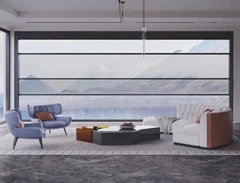
The design of narrow sliding windows allows for a large amount of natural light to enter a space while maintaining a sleek and modern appearance. Their narrow frames minimize the obstruction of the view, creating an unobstructed visual connection between the interior and the exterior. This feature not only enhances the aesthetic appeal of a building but also has implications for resource allocation.
Energy Efficiency and Resource Allocation
One of the most significant aspects of resource allocation in the context of windows is energy efficiency. Narrow sliding windows can play a crucial role in this area. With advancements in glazing technology, these windows can be equipped with high - performance glass that provides excellent insulation. This means that they can help reduce the amount of heat transfer between the inside and outside of a building.
During the winter months, well - insulated narrow sliding windows can prevent heat from escaping, reducing the need for excessive heating. In the summer, they can block out a significant amount of solar heat, decreasing the reliance on air - conditioning systems. By reducing the energy consumption for heating and cooling, narrow sliding windows contribute to more efficient resource allocation. For example, less energy is used from non - renewable sources such as coal or natural gas, and the overall carbon footprint of the building is reduced.
Space Utilization
Another aspect of resource allocation is space utilization. Narrow sliding windows are an ideal choice for spaces where traditional windows may not be practical. Their sliding mechanism requires less space compared to casement or double - hung windows, which need to swing open. This makes them suitable for areas with limited clearance, such as small rooms or spaces near furniture.


In a commercial building, for instance, where every square foot of space is valuable, narrow sliding windows can allow for more efficient use of floor area. They can be installed in tight spaces without sacrificing natural light or ventilation. This efficient use of space can be considered a form of resource allocation, as it maximizes the utility of the available building area.
Comparison with Other Window Types
To better understand the role of narrow sliding windows in resource allocation, it's useful to compare them with other common window types.
Casement Windows: Casement windows are known for their excellent ventilation as they can open wide. However, they require more space to swing open, which may limit their use in some areas. In terms of energy efficiency, they can be comparable to narrow sliding windows if they are properly sealed and glazed. But in terms of space utilization, narrow sliding windows have an advantage, especially in compact spaces.
Double - Hung Windows: Double - hung windows are popular for their traditional look and ease of cleaning. They can provide good ventilation, but their energy efficiency may vary depending on the quality of the installation and glazing. Similar to casement windows, they need more space to operate compared to narrow sliding windows.
Applications in Different Sectors
Narrow sliding windows have diverse applications in various sectors, each with its own resource - allocation needs.
Residential Buildings: In homes, narrow sliding windows can enhance the living experience while optimizing resource use. They can be installed in bedrooms, kitchens, or bathrooms, providing natural light and ventilation without taking up too much space. Homeowners can save on energy costs over time, making them a cost - effective choice in the long run.
Commercial Buildings: Commercial spaces, such as offices, retail stores, and restaurants, can benefit from the energy - saving and space - efficient features of narrow sliding windows. For example, in an office building, these windows can create a bright and comfortable working environment, which can improve employee productivity. At the same time, the reduced energy consumption helps businesses manage their operating costs more effectively.
Horizontal Sliding Windows Sizes
If you're interested in the specific sizes of horizontal narrow sliding windows, you can find more information at Horizontal Sliding Windows Sizes. This resource provides detailed dimensions and options to help you choose the right windows for your project.
Vinyl Sliding Window
Vinyl is a popular material for narrow sliding windows due to its durability, energy efficiency, and low maintenance requirements. To learn more about vinyl narrow sliding windows, visit Vinyl Sliding Window.
Window And Sliding Door Replacement
If you're considering replacing your existing windows or sliding doors with narrow sliding windows, Window And Sliding Door Replacement offers valuable insights and guidance on the process.
Conclusion
In conclusion, narrow sliding windows can indeed be used for resource allocation. Their energy - efficient properties, space - saving design, and versatility make them a valuable asset in both residential and commercial buildings. By reducing energy consumption, optimizing space utilization, and providing a high - quality visual experience, these windows contribute to more sustainable and efficient resource management.
If you're interested in learning more about our narrow sliding windows or are considering a purchase for your next project, I encourage you to reach out for a detailed discussion. Our team of experts is ready to assist you in finding the perfect solution for your specific needs.
References
- "Energy - Efficient Windows: A Guide for Homeowners", U.S. Department of Energy.
- "Building Design and Space Utilization", Architectural Digest.
- "Window Technologies and Their Impact on Energy Consumption", Journal of Building Science.