





When it comes to choosing the right windows for your home or commercial space, ventilation is a crucial factor to consider. Two popular window types that offer different ventilation solutions are lift and slide windows and casement windows. As a supplier of lift and slide windows, I am well - versed in the features and benefits of both types, and in this blog, I will compare them in terms of ventilation.
Ventilation Mechanisms
Lift and Slide Windows
Lift and slide windows operate on a unique mechanism. These windows are designed to lift slightly off their tracks and then slide horizontally. This allows for a large opening area when the window is fully opened. The ability to slide multiple panels provides a significant amount of ventilation. For instance, in a multi - panel lift and slide window system, you can open one or more panels depending on your ventilation needs.
The large opening of lift and slide windows is especially beneficial for cross - ventilation. Cross - ventilation occurs when air enters through one window and exits through another, creating a natural airflow throughout the room. With lift and slide windows, you can align the openings to maximize this effect, effectively removing stale air and bringing in fresh outdoor air.
Moreover, our Cordless Lifting Window models offer an even more convenient way to operate the windows. Without the need for cords, the operation is smoother, and you can easily adjust the opening size to control the amount of ventilation.
Casement Windows
Casement windows are hinged on one side and open outward like a door. When opened, they create a wide opening that allows air to flow directly into the room. The design of casement windows enables them to catch the wind more effectively, as the open sash acts as a sail, directing air into the interior space.
One of the advantages of casement windows in terms of ventilation is their ability to provide a high - velocity airflow. Since the window opens fully outward, it can capture and channel strong winds into the room. This can be particularly useful in areas where there are consistent breezes. However, in calm conditions, the ventilation may be limited to the immediate area near the window.
Ventilation Efficiency
Lift and Slide Windows
The ventilation efficiency of lift and slide windows is high due to their large opening area. When multiple panels are opened, a substantial amount of air can enter the room. This is ideal for large rooms or areas where a high volume of air exchange is required. For example, in a living room or a commercial space, lift and slide windows can quickly refresh the air, reducing humidity and odors.
Our Space - Saving Modern Lifting Windows are designed to optimize space while still providing excellent ventilation. These windows can be installed in tight spaces without sacrificing the ventilation capacity. The modern design also ensures that the windows fit seamlessly into any architectural style, enhancing both the aesthetics and functionality of the building.
However, the ventilation efficiency of lift and slide windows can be affected by the weather. In strong winds, the large open area may cause the windows to be more difficult to control, and there may be a risk of debris being blown into the room. Additionally, if the windows are not properly sealed when closed, there may be air leakage, which can reduce the overall energy efficiency of the building.
Casement Windows
Casement windows are known for their high - efficiency ventilation in certain conditions. The direct opening of the window allows for a more focused airflow, which can be beneficial for targeted ventilation. For example, if you want to ventilate a specific area of a room, such as near a kitchen sink or a bathroom vanity, a casement window can direct the air exactly where it is needed.

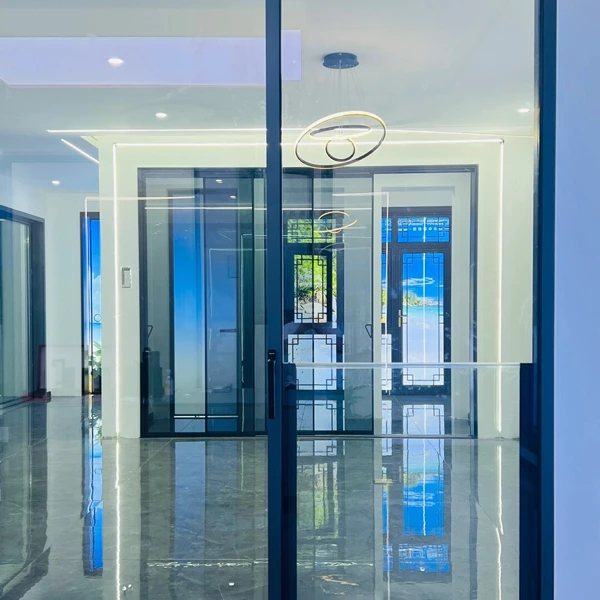
The tight seal of casement windows when closed also contributes to their ventilation efficiency. When the window is not in use, the seal prevents air leakage, ensuring that the indoor climate is well - controlled. However, casement windows may not be as effective in providing cross - ventilation as lift and slide windows, as they typically open in a single direction and may not cover as large an area.
Ventilation Control
Lift and Slide Windows
Lift and slide windows offer excellent ventilation control. You can open one or more panels to adjust the amount of air entering the room. This is particularly useful in different weather conditions. On a mild day, you can open a single panel for a gentle breeze, while on a hot day, you can open multiple panels to maximize the airflow.
The sliding mechanism also allows for easy adjustment of the opening size. You can partially open the window to control the amount of ventilation without fully exposing the interior to the elements. Our Antique Brass Lifting Window models not only provide ventilation control but also add a touch of elegance to your space.
Casement Windows
Casement windows also offer some degree of ventilation control. You can open the window to different angles to adjust the airflow. For example, you can open the window slightly for a small amount of ventilation or fully open it for maximum airflow. However, the range of adjustment may be more limited compared to lift and slide windows, as the window is hinged on one side and can only open within a certain arc.
Considerations for Different Spaces
Residential Spaces
In residential spaces, both lift and slide windows and casement windows have their advantages. For living rooms and large bedrooms, lift and slide windows are a great choice as they can provide extensive cross - ventilation and a seamless connection to the outdoors. They also offer a modern and stylish look that can enhance the overall aesthetic of the home.
Casement windows, on the other hand, are well - suited for kitchens and bathrooms. Their ability to provide targeted ventilation can help remove moisture and odors effectively. The tight seal of casement windows also makes them a good option for these areas, as it can prevent drafts and keep the indoor air quality high.
Commercial Spaces
In commercial spaces, such as offices and retail stores, lift and slide windows are often preferred for their large opening area and high ventilation capacity. They can quickly refresh the air in a large space, creating a comfortable environment for employees and customers. The modern design of lift and slide windows also adds a professional touch to the building.
Casement windows can be used in commercial spaces where targeted ventilation is required, such as in server rooms or areas with specific ventilation needs. Their ability to provide a focused airflow can help maintain the proper temperature and humidity levels in these areas.
Conclusion
In conclusion, both lift and slide windows and casement windows offer unique ventilation solutions. Lift and slide windows are excellent for large - scale ventilation, cross - ventilation, and easy control. They are suitable for both residential and commercial spaces where a high volume of air exchange is needed. Casement windows, on the other hand, provide targeted ventilation, high - velocity airflow, and a tight seal. They are ideal for areas where specific ventilation requirements exist.
As a supplier of lift and slide windows, I am confident in the quality and performance of our products. If you are considering new windows for your space and are interested in learning more about lift and slide windows or comparing them further with casement windows, I encourage you to reach out to us for a consultation. We can help you determine the best window type for your specific ventilation needs and provide you with high - quality products and professional installation services.
References
- Building Construction Handbook, various editions
- Window and Door Manufacturers Association publications
- Architectural Digest articles on window design and ventilation