




Condensation on windows is a common issue that many homeowners face, especially during the colder months or in high - humidity environments. As a supplier of New Casement Windows, we understand the importance of addressing this problem effectively. In this blog, we'll explore how our new casement windows handle condensation and why they are a great choice for your home.
Understanding Condensation
Before delving into how our casement windows deal with condensation, it's essential to understand what causes it. Condensation occurs when warm, moist air comes into contact with a cold surface. When the temperature of the surface drops below the dew point of the air, the water vapor in the air turns into liquid water, forming droplets on the surface. Windows are often the coldest surfaces in a room because they are in direct contact with the outside environment.
Features of New Casement Windows That Combat Condensation
High - Quality Insulation
One of the primary ways our new casement windows handle condensation is through their excellent insulation properties. Our windows are designed with multi - chambered frames, typically made from materials like vinyl or fiberglass. These materials have low thermal conductivity, which means they do not transfer heat easily. As a result, the inner surface of the window stays warmer, reducing the likelihood of the air reaching its dew point and forming condensation.
For example, our New Construction Casement Windows are specifically engineered for new building projects. They come with advanced insulation features that ensure optimal temperature regulation inside the home. The frames are filled with insulating materials that further enhance their ability to keep the cold out and the warm air in.
Double or Triple - Glazed Glass
Another key feature is the use of double or triple - glazed glass. Double - glazed windows consist of two panes of glass separated by a spacer filled with an insulating gas, such as argon or krypton. Triple - glazed windows have three panes of glass and two spacer chambers.
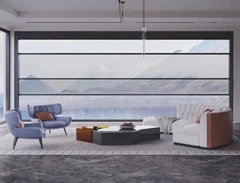
The insulating gas between the glass panes acts as a barrier to heat transfer. This helps to keep the inner glass pane warmer, preventing the formation of condensation. Our Panoramic Casement Window offers a large, unobstructed view while also providing excellent insulation. The multiple layers of glass not only reduce condensation but also improve energy efficiency and soundproofing.
Weatherstripping
Proper weatherstripping is crucial for preventing air leakage around the window. Our casement windows are equipped with high - quality weatherstripping materials that create a tight seal when the window is closed. This seal keeps the outside air from entering the home and the warm, moist indoor air from escaping.
By reducing air infiltration, the humidity levels inside the home remain more stable. This helps to minimize the amount of warm, moist air that comes into contact with the cold window surface, thus reducing condensation. Our Casement Window Replacement options come with upgraded weatherstripping to ensure a better seal than your old windows.
Additional Benefits of Reducing Condensation
Apart from the obvious aesthetic improvement of having clear, condensation - free windows, there are several other benefits to reducing condensation.
Prevention of Mold and Mildew
Condensation provides a moist environment that is ideal for the growth of mold and mildew. These fungi can cause health problems, especially for people with allergies or respiratory issues. By reducing condensation on our casement windows, we help to prevent the growth of mold and mildew, creating a healthier living environment for you and your family.
Protection of Window Frames and Surroundings
Excessive condensation can also damage window frames and the surrounding walls. Over time, the moisture can cause wood frames to rot, and it can also lead to paint peeling and wallpaper damage. Our new casement windows' ability to handle condensation helps to protect these components, extending their lifespan and reducing the need for costly repairs.


Energy Efficiency
When windows are free of condensation, they are better able to maintain the desired temperature inside the home. This means that your heating and cooling systems don't have to work as hard, resulting in lower energy bills. Our windows' insulation features not only reduce condensation but also contribute to overall energy savings.
How to Maintain Condensation - Free Windows
While our new casement windows are designed to handle condensation effectively, there are some steps you can take to further minimize its occurrence.
Ventilation
Proper ventilation is essential for reducing humidity levels inside the home. You can open the casement windows regularly to allow fresh air to circulate. Additionally, using exhaust fans in the kitchen and bathroom when cooking or showering can help to remove moisture from the air.
Humidity Control
Using a dehumidifier can also help to keep the humidity levels in check. Set the dehumidifier to maintain a relative humidity of between 30% and 50%. This range is comfortable for humans and also helps to prevent condensation on windows.
Regular Cleaning
Regularly cleaning your windows can also improve their performance. Dirt and grime on the window surface can affect its insulating properties and make it more prone to condensation. Use a mild detergent and a soft cloth to clean the windows, and avoid using abrasive materials that could scratch the glass.
Conclusion
As a supplier of New Casement Windows, we are committed to providing our customers with high - quality products that effectively handle condensation. Our windows' advanced insulation, double or triple - glazed glass, and weatherstripping features work together to keep your windows clear and your home comfortable.
If you're interested in upgrading your windows or are in the process of building a new home, our New Construction Casement Windows, Panoramic Casement Window, and Casement Window Replacement options are worth considering. Contact us today to discuss your window needs and find the perfect solution for your home.
References
- ASHRAE Handbook - Fundamentals. American Society of Heating, Refrigerating and Air - Conditioning Engineers.
- Window & Door Manufacturers Association. Best Practices for Window Installation and Maintenance.