



Condensation on windows is a common issue that many homeowners face, and it can be particularly troublesome when it comes to vertical lift windows. As a supplier of Vertical Lift Windows, I've seen firsthand how condensation can affect the functionality and aesthetics of these windows. In this blog post, I'll delve into how vertical lift windows handle condensation, exploring the factors that contribute to it and the solutions we offer to mitigate this problem.
Understanding Condensation on Windows
Before we discuss how vertical lift windows deal with condensation, it's essential to understand what causes it. Condensation occurs when warm, moist air comes into contact with a cold surface, such as a windowpane. When this happens, the water vapor in the air cools and changes from a gas to a liquid, forming droplets on the window. This process is similar to what happens when you take a cold drink out of the fridge on a hot, humid day, and the outside of the glass becomes wet.
Several factors can contribute to condensation on windows, including:

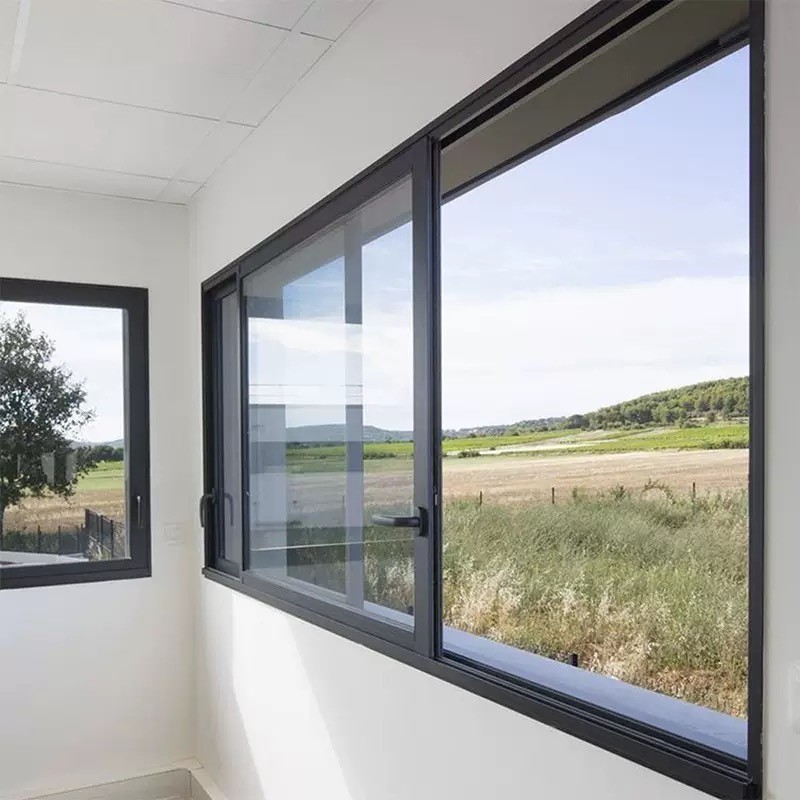
- High humidity levels: The more moisture there is in the air, the more likely condensation is to form. This is especially true in areas with poor ventilation, such as bathrooms, kitchens, and laundry rooms.
- Cold window surfaces: Windows are often the coldest surfaces in a room, especially during the winter months. When warm, moist air comes into contact with these cold surfaces, condensation is more likely to occur.
- Poor insulation: Windows with poor insulation allow more heat to escape, making the window surface colder and increasing the likelihood of condensation.
How Vertical Lift Windows Are Designed to Handle Condensation
At our company, we understand the importance of designing vertical lift windows that can effectively handle condensation. Here are some of the features and technologies we incorporate into our windows to address this issue:
- Double or triple glazing: Our vertical lift windows are typically equipped with double or triple glazing, which consists of two or three panes of glass separated by a sealed air or gas-filled space. This design provides better insulation, reducing heat transfer through the window and keeping the window surface warmer. As a result, there is less of a temperature difference between the warm, moist air inside the room and the window surface, reducing the likelihood of condensation.
- Low-emissivity (Low-E) coatings: Low-E coatings are applied to the glass surface to reduce the amount of infrared and ultraviolet radiation that passes through the window. These coatings help to keep the window surface warmer by reflecting heat back into the room, further reducing the risk of condensation.
- Insulated frames: In addition to double or triple glazing, our vertical lift windows feature insulated frames made from materials such as vinyl, fiberglass, or wood-clad aluminum. These frames provide an extra layer of insulation, helping to keep the window surface warmer and preventing condensation from forming.
- Proper ventilation: Good ventilation is essential for reducing humidity levels in a room and preventing condensation on windows. Our vertical lift windows are designed to allow for easy ventilation, with options for top-hung, bottom-hung, or side-hung opening mechanisms. This allows homeowners to control the amount of fresh air entering the room, helping to maintain a comfortable and healthy indoor environment.
Additional Solutions for Managing Condensation
While our vertical lift windows are designed to minimize condensation, there are some additional steps homeowners can take to manage this issue:
- Use a dehumidifier: A dehumidifier can help to reduce humidity levels in a room, especially in areas with high moisture content such as basements and bathrooms. By removing excess moisture from the air, a dehumidifier can help to prevent condensation from forming on windows.
- Keep the room well-ventilated: Opening windows regularly, using exhaust fans in the kitchen and bathroom, and ensuring proper air circulation throughout the house can help to reduce humidity levels and prevent condensation.
- Wipe condensation off the windows: If condensation does form on the windows, it's important to wipe it off regularly to prevent water damage and mold growth. Use a soft, dry cloth to gently remove the moisture from the window surface.
The Benefits of Choosing Our Vertical Lift Windows
When it comes to choosing vertical lift windows that can effectively handle condensation, our products offer several benefits:
- Energy efficiency: Our double or triple-glazed windows with Low-E coatings and insulated frames provide excellent energy efficiency, helping to reduce heating and cooling costs.
- Durability: Our windows are built to last, with high-quality materials and construction that can withstand the elements and provide long-term performance.
- Aesthetics: Our vertical lift windows are available in a variety of styles, colors, and finishes, allowing homeowners to choose the perfect windows to complement their home's architecture and design.
- Functionality: Our windows are designed for easy operation, with smooth and reliable lifting mechanisms that make it easy to open and close the windows.
Conclusion
Condensation on windows can be a frustrating and unsightly problem, but with the right design and technology, vertical lift windows can effectively handle this issue. As a supplier of Vertical Lift Windows, we are committed to providing our customers with high-quality windows that are energy-efficient, durable, and aesthetically pleasing. If you're considering upgrading your windows or building a new home, I encourage you to contact us to learn more about our products and how they can help you manage condensation and improve the comfort and energy efficiency of your home.
References
- ASHRAE Handbook of Fundamentals. American Society of Heating, Refrigerating and Air-Conditioning Engineers.
- Window and Door Manufacturers Association (WDMA). Technical Standards and Recommended Practices.
In addition, if you're interested in specific types of lifting windows, you can check out the following links: Gas Lifting Window, Lift Up Window, and Lift Heavy Windows. These resources can provide more detailed information about the features and benefits of different types of lifting windows.
If you have any questions or would like to discuss your window needs further, please don't hesitate to reach out. We're here to help you find the perfect windows for your home.