




In the realm of window glazing, the choice between flush double glazing and triple glazing is a significant decision that can impact both the comfort and energy efficiency of a building. As a supplier of flush double glazing, I have witnessed firsthand the diverse needs and preferences of customers when it comes to selecting the right glazing option for their properties. In this blog post, I will delve into the comparison between flush double glazing and triple glazing, exploring their features, benefits, and suitability for different applications.
Understanding Flush Double Glazing and Triple Glazing
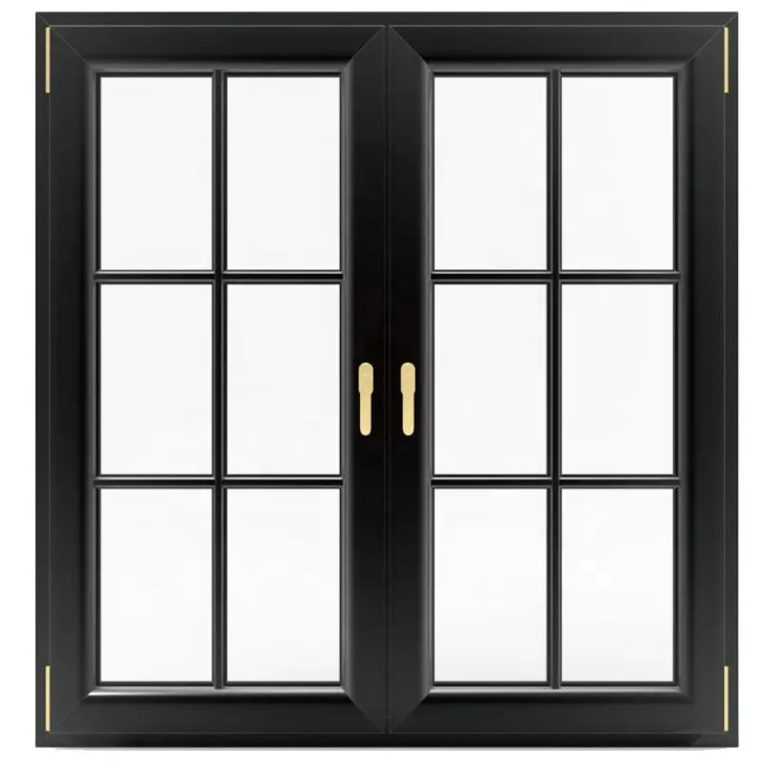
Flush double glazing consists of two panes of glass separated by a spacer filled with air or an insulating gas such as argon. This design creates a barrier that reduces heat transfer between the interior and exterior of a building, helping to keep the indoor temperature stable and reducing energy consumption. Flush double glazing is known for its sleek and modern appearance, as the glass panes are flush with the frame, providing a clean and minimalist look.
On the other hand, triple glazing features three panes of glass with two insulating gaps between them. This additional layer of glass and insulation further enhances the thermal performance of the windows, offering superior energy efficiency and soundproofing compared to double glazing. Triple glazing is particularly beneficial in colder climates or areas with high noise levels, as it provides an extra layer of protection against the elements.
Thermal Performance
One of the primary factors to consider when comparing flush double glazing and triple glazing is their thermal performance. The thermal performance of a window is measured by its U-value, which indicates the rate of heat transfer through the glass. A lower U-value means better insulation and less heat loss.
Flush double glazing typically has a U-value ranging from 1.2 to 1.8 W/m²K, depending on the type of glass and the insulating gas used. This is considered to be a good level of insulation for most residential and commercial applications. However, triple glazing offers even better thermal performance, with U-values as low as 0.6 to 1.0 W/m²K. This makes triple glazing an ideal choice for buildings located in cold climates or those seeking to achieve high levels of energy efficiency.
In addition to reducing heat loss, both flush double glazing and triple glazing can also help to prevent heat gain during the summer months. By reflecting a significant portion of the sun's radiant heat, these windows can keep the interior of a building cooler, reducing the need for air conditioning and further lowering energy costs.
Soundproofing
Another important consideration when choosing between flush double glazing and triple glazing is their soundproofing capabilities. The soundproofing performance of a window is measured by its Sound Reduction Index (SRI), which indicates the amount of sound that is blocked by the glass. A higher SRI value means better soundproofing.
Flush double glazing can provide a reasonable level of soundproofing, with SRI values typically ranging from 30 to 35 dB. This is sufficient to reduce most common noises, such as traffic and street noise. However, triple glazing offers superior soundproofing performance, with SRI values of up to 45 dB or more. This makes triple glazing an excellent choice for buildings located in noisy areas, such as near airports, busy roads, or industrial sites.

Cost
Cost is often a significant factor when making a decision about window glazing. Flush double glazing is generally more affordable than triple glazing, as it requires less glass and insulation. The cost of flush double glazing can vary depending on the size and style of the windows, as well as the quality of the materials used. However, on average, flush double glazing is approximately 20% to 30% cheaper than triple glazing.
While triple glazing may have a higher upfront cost, it can provide long-term savings in energy bills due to its superior thermal performance. Over time, the energy savings can offset the initial investment, making triple glazing a cost-effective option in the long run. Additionally, some governments and utility companies offer incentives and rebates for installing energy-efficient windows, which can further reduce the cost of triple glazing.
Aesthetics
The aesthetics of a window are also an important consideration, as they can have a significant impact on the overall appearance of a building. Flush double glazing is known for its sleek and modern look, as the glass panes are flush with the frame, providing a clean and minimalist appearance. This makes flush double glazing a popular choice for contemporary and modern buildings.
Triple glazing, on the other hand, may have a slightly thicker profile due to the additional layer of glass. However, many manufacturers offer triple glazing options that are designed to be aesthetically pleasing and blend in seamlessly with the architecture of a building. With a wide range of frame materials, colors, and finishes available, it is possible to find triple glazing that complements the style of any property.
Suitability for Different Applications
The choice between flush double glazing and triple glazing ultimately depends on the specific needs and requirements of the building. Here are some factors to consider when determining which type of glazing is most suitable for your application:
- Climate: In colder climates, triple glazing is generally recommended for its superior thermal performance. However, in milder climates, flush double glazing may be sufficient to meet the energy efficiency requirements.
- Noise levels: If the building is located in a noisy area, triple glazing is the better choice for its excellent soundproofing capabilities. Flush double glazing can provide a reasonable level of soundproofing, but it may not be sufficient in areas with high noise levels.
- Budget: If cost is a major concern, flush double glazing is the more affordable option. However, if you are willing to invest in long-term energy savings and superior performance, triple glazing may be worth the extra cost.
- Building style: Consider the architectural style of the building when choosing between flush double glazing and triple glazing. Flush double glazing is a popular choice for contemporary and modern buildings, while triple glazing can be customized to match the style of any property.
Conclusion
In conclusion, both flush double glazing and triple glazing offer significant benefits in terms of energy efficiency, soundproofing, and aesthetics. Flush double glazing is a cost-effective option that provides good thermal performance and a sleek, modern appearance. It is suitable for most residential and commercial applications, especially in milder climates or areas with moderate noise levels.
Triple glazing, on the other hand, offers superior thermal performance and soundproofing, making it an ideal choice for buildings located in colder climates or areas with high noise levels. While it may have a higher upfront cost, triple glazing can provide long-term savings in energy bills and enhance the comfort and livability of a building.
As a supplier of flush double glazing, I am committed to providing high-quality products and exceptional customer service. If you are considering upgrading your windows, I encourage you to contact me to discuss your options and find the best glazing solution for your needs. Whether you choose flush double glazing or triple glazing, you can rest assured that you are making a smart investment in the comfort, energy efficiency, and value of your property.
References
- Energy Saving Trust. (n.d.). Double glazing. Retrieved from https://energysavingtrust.org.uk/advice/double-glazing/
- Glass and Glazing Federation. (n.d.). Triple glazing. Retrieved from https://www.glazing.org.uk/consumer/energy-efficiency/triple-glazing/
- Window Energy Ratings Scheme. (n.d.). Understanding window energy ratings. Retrieved from https://www.windowenergyratings.co.uk/consumers/understanding-ratings/