





Handling a cracked hinged glass door can be a daunting task, but with the right knowledge and approach, you can address the issue effectively. As a supplier of hinged glass doors, I've encountered various scenarios related to cracked doors and have gained valuable insights into how to handle them. In this blog post, I'll share some practical tips and steps to help you deal with a cracked hinged glass door.
Understanding the Causes of Cracks
Before you can effectively handle a cracked hinged glass door, it's important to understand the potential causes of the crack. There are several factors that can lead to a cracked glass door:
- Impact Damage: A sudden impact from a hard object, such as a ball or a tool, can cause the glass to crack. This is one of the most common causes of cracked glass doors.
- Thermal Stress: Extreme temperature changes can cause the glass to expand and contract, leading to cracks. This is more likely to occur in areas with significant temperature fluctuations.
- Installation Issues: If the glass door is not installed correctly, it may be subject to uneven stress, which can cause cracks over time.
- Manufacturing Defects: In some cases, a crack may be the result of a manufacturing defect in the glass.
Assessing the Severity of the Crack
Once you've identified the cause of the crack, the next step is to assess the severity of the damage. This will help you determine the best course of action. Here are some guidelines to help you assess the crack:
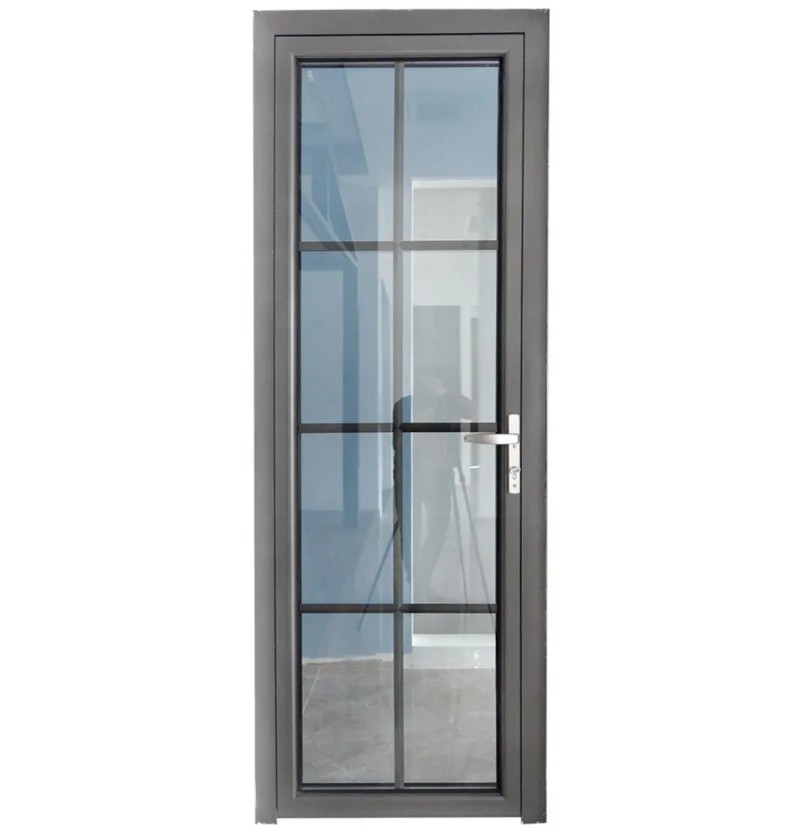

- Small Cracks: If the crack is small (less than a few inches long) and does not affect the structural integrity of the door, you may be able to repair it using a glass repair kit. These kits typically include a resin that can be applied to the crack to fill it and prevent it from spreading.
- Large Cracks: If the crack is large or extends across the entire width of the glass, it's likely that the door will need to be replaced. A large crack can compromise the structural integrity of the door and pose a safety hazard.
- Spider Cracks: Spider cracks are small cracks that radiate from a central point. These cracks can be more difficult to repair and may also require the door to be replaced.
Repairing a Small Crack
If you've determined that the crack in your hinged glass door is small and can be repaired, here are the steps you can take:
- Clean the Area: Use a clean, dry cloth to remove any dirt, debris, or moisture from the crack. This will ensure that the repair resin adheres properly.
- Apply the Repair Resin: Follow the instructions on the glass repair kit to apply the resin to the crack. Use a syringe or a small applicator to carefully fill the crack with the resin.
- Allow the Resin to Cure: Once the resin has been applied, allow it to cure according to the manufacturer's instructions. This may take several hours or overnight.
- Sand and Polish the Area: After the resin has cured, use a fine-grit sandpaper to smooth the surface of the repair. Then, use a glass polish to restore the shine to the glass.
Replacing a Cracked Door
If the crack in your hinged glass door is large or cannot be repaired, you'll need to replace the door. Here are the steps you can take:
- Measure the Door: Use a tape measure to accurately measure the height, width, and thickness of the existing door. This will ensure that you order the correct replacement door.
- Order a Replacement Door: Contact a reputable supplier, like us, to order a replacement hinged glass door. Provide them with the measurements and any other specifications, such as the type of glass, the finish, and the hinge style.
- Remove the Old Door: Before installing the new door, you'll need to remove the old one. Use a screwdriver or a drill to remove the hinges and any other hardware from the door. Carefully lift the door out of the frame and set it aside.
- Install the New Door: Once the old door has been removed, it's time to install the new one. Follow the manufacturer's instructions to attach the hinges and any other hardware to the new door. Then, carefully place the door in the frame and secure it in place.
- Test the Door: After the new door has been installed, test it to make sure it opens and closes smoothly. Check the alignment of the door and make any necessary adjustments.
Preventing Future Cracks
To prevent future cracks in your hinged glass door, here are some tips you can follow:
- Use Protective Films: Consider applying a protective film to the glass door. This can help prevent damage from impacts and reduce the risk of cracks.
- Avoid Extreme Temperature Changes: Try to avoid exposing the glass door to extreme temperature changes. If possible, use curtains or blinds to shade the door from direct sunlight.
- Maintain the Door Properly: Regularly clean and maintain the door to ensure that it remains in good condition. Check the hinges and other hardware for any signs of wear or damage and replace them as needed.
- Choose a High-Quality Door: When purchasing a hinged glass door, choose a high-quality product from a reputable supplier. A well-made door is less likely to develop cracks and will last longer.
Conclusion
Handling a cracked hinged glass door can be a challenging task, but with the right knowledge and approach, you can address the issue effectively. Whether you choose to repair the crack or replace the door, it's important to take the necessary steps to ensure the safety and functionality of your door. As a supplier of hinged glass doors, we're here to help you with any questions or concerns you may have. If you're in need of a replacement door or have any other glass door-related needs, contact us to discuss your options. We offer a wide range of hinged glass doors, including Hinged Glass Door Over Bath, Soundproof Swing Door, and Screen With Hinged Glass Door. Our team of experts can help you find the perfect door for your needs and provide you with professional installation services. Don't let a cracked glass door ruin your day. Take action today and get your door back in top condition.
References
- Glass Repair and Replacement Guide, Glass Association of North America
- Hinged Glass Door Installation Manual, Manufacturer's Instructions