

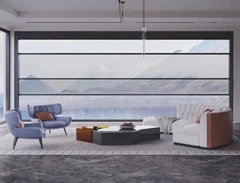


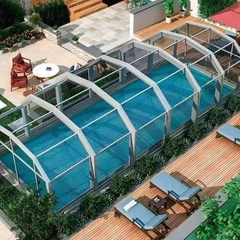
Hey there! I'm a supplier of lifting windows, and I often get asked about the lifespan of the hardware in these windows. It's a super important question, 'cause the hardware is like the heart and soul of a lifting window, making it function smoothly and safely. So, let's dive right in and explore what affects the lifespan of this crucial component.
What's Lifting Window Hardware?
Before we talk about lifespan, let's quickly go over what hardware we're referring to. Lifting window hardware includes things like hinges, handles, locks, and the lifting mechanisms themselves. These parts work together to let you open, close, and secure your windows with ease. Whether it's a Single Slider Lift Out Window, Out Lift Windows, or Up Lifting Windows, the hardware is essential for their operation.
Factors Affecting Lifespan
Quality of the Hardware
The first and most obvious factor is the quality of the hardware itself. High - quality hardware is made from better materials and is manufactured to stricter standards. For example, hinges made from stainless steel are more resistant to rust and corrosion compared to those made from cheaper metals. When you invest in top - notch hardware, you're likely to get a longer lifespan. Cheaper hardware might save you some money upfront, but it'll probably need to be replaced sooner.
Frequency of Use
How often you use your lifting windows also plays a big role. If you have windows in a room that's used a lot, like a living room or a kitchen, the hardware will wear out faster. Every time you open and close the window, there's friction on the hinges and other moving parts. Over time, this friction can cause the parts to wear down. On the other hand, windows in a guest room or a storage area that are used less frequently will have hardware that lasts longer.
Environmental Conditions
The environment where the windows are installed can have a huge impact on the hardware's lifespan. In areas with high humidity, like coastal regions, the hardware is more likely to rust and corrode. Saltwater in the air can be especially damaging. Similarly, extreme temperatures, whether it's very hot or very cold, can cause the materials to expand and contract. This constant expansion and contraction can lead to cracks and other damage in the hardware.
Installation
Proper installation is key. If the hardware isn't installed correctly, it can put extra stress on the parts. For example, if the hinges aren't aligned properly, the window might not open and close smoothly. This uneven movement can cause premature wear on the hinges and other components. Always make sure to have your lifting windows installed by a professional to ensure everything is set up right.
Average Lifespan
On average, high - quality lifting window hardware can last anywhere from 15 to 25 years. This is assuming normal use and a relatively stable environment. However, if the hardware is of lower quality or is exposed to harsh conditions, it might only last 5 to 10 years.
Let's break it down by different types of hardware:
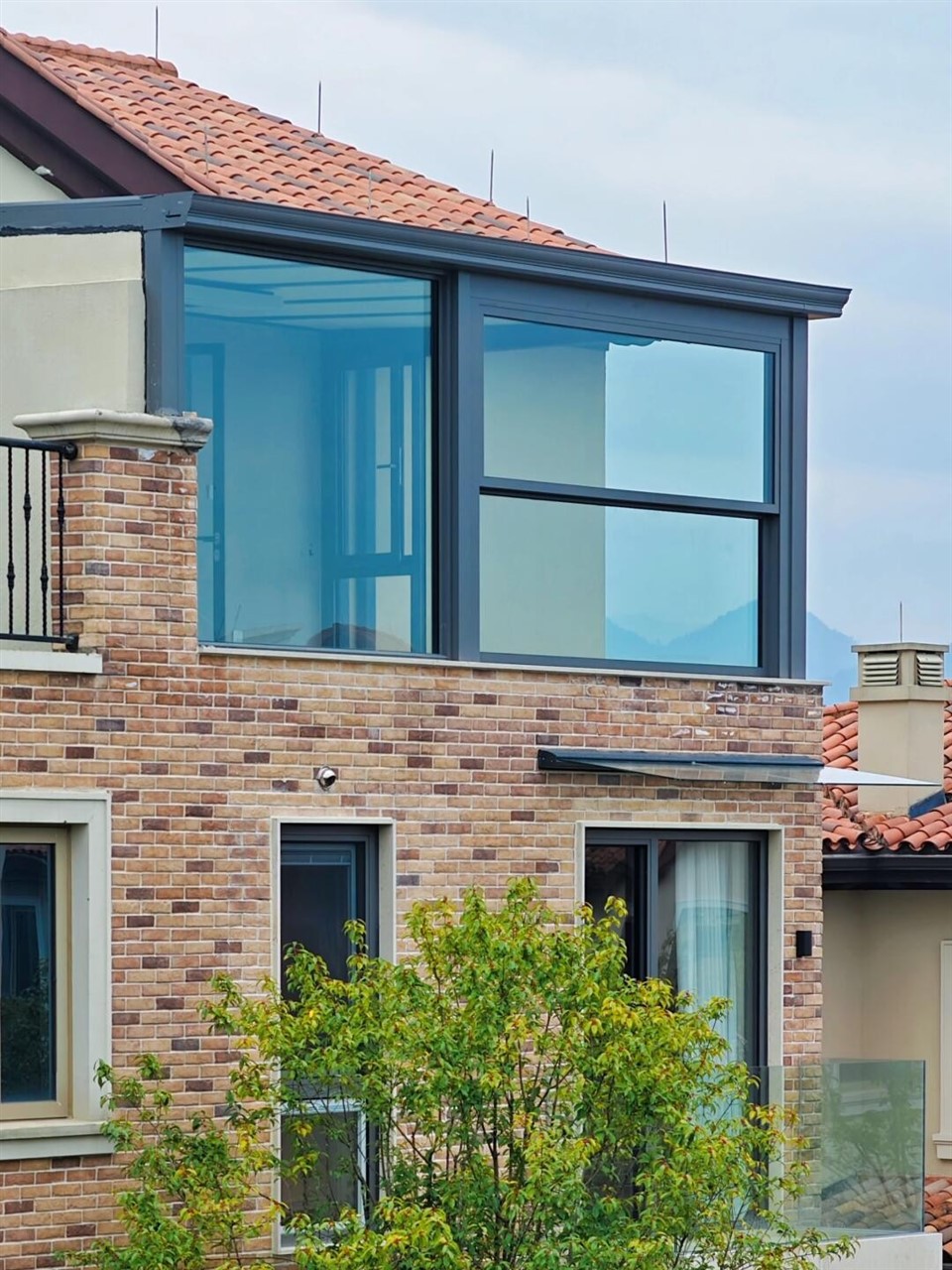

- Hinges: Well - made hinges can last around 15 - 20 years. They're constantly under stress as the window moves, but if they're made from good materials and installed correctly, they can withstand a lot of use.
- Handles and Locks: These parts usually last about 10 - 15 years. Handles are used every time you open or close the window, and locks are engaged and disengaged frequently. Over time, the internal mechanisms can wear out.
- Lifting Mechanisms: These are the parts that allow the window to lift up or out. They can last 15 - 25 years, depending on the quality and how often they're used.
Extending the Lifespan
Regular Maintenance
One of the best ways to extend the lifespan of your lifting window hardware is through regular maintenance. You can start by cleaning the hardware regularly. Use a mild detergent and a soft cloth to remove dirt and grime. Lubricating the moving parts, like hinges and handles, with a silicone - based lubricant can also reduce friction and wear. Just a few drops of lubricant every few months can make a big difference.
Inspections
Periodically inspect the hardware for any signs of damage or wear. Look for things like rust, cracks, or loose parts. If you notice any issues early on, you can often fix them before they become major problems. For example, if a hinge is starting to squeak, it might just need some lubrication. But if you ignore it, the hinge could eventually break.
When to Replace
Even with the best maintenance, there will come a time when you need to replace the hardware. Signs that it's time for a replacement include:
- Difficulty in opening or closing the window. If the window is sticking or doesn't move smoothly, it could be a sign that the hardware is worn out.
- Visible damage, such as rust, cracks, or broken parts. If a hinge is completely rusted through or a handle has broken off, it's definitely time for a replacement.
- Security issues. If the locks aren't working properly, your home's security could be at risk. Don't wait until there's a problem; replace the locks as soon as you notice any issues.
Conclusion
So, there you have it! The lifespan of the hardware in a lifting window depends on a variety of factors, including quality, frequency of use, environment, and installation. By choosing high - quality hardware, maintaining it regularly, and inspecting it often, you can get the most out of your lifting windows.
If you're in the market for lifting windows or need to replace the hardware in your existing ones, I'm here to help. As a supplier, I can offer you a wide range of high - quality lifting windows and hardware options. Whether you're looking for Single Slider Lift Out Window, Out Lift Windows, or Up Lifting Windows, I've got you covered. Reach out to me to start a conversation about your needs and let's find the perfect solution for your home.
References
- "Window Hardware: A Guide to Selection and Maintenance" - Home Improvement Journal
- "The Impact of Environmental Conditions on Window Components" - Building Science Research Report