




The manufacturing process of a glass window is a complex and fascinating journey that involves multiple stages, each crucial to producing a high - quality product. As a glass window supplier, I'm excited to share with you the step - by - step process that turns raw materials into the beautiful and functional glass windows you see in homes and buildings around the world.
1. Raw Material Selection
The first step in manufacturing a glass window is selecting the appropriate raw materials. The primary ingredient for glass is silica sand, which is abundant and forms the basic structure of the glass. Other materials such as soda ash, limestone, and dolomite are also added to lower the melting point of the sand and improve the glass's durability and clarity.
For the window frames, different materials can be used, including aluminum, wood, and vinyl. Aluminum is popular due to its strength, lightweight nature, and resistance to corrosion. Wood provides a classic and warm aesthetic, while vinyl is known for its energy efficiency and low maintenance requirements. We carefully source these materials from reliable suppliers to ensure the highest quality of our final products.
2. Glass Melting
Once the raw materials are selected, they are mixed in specific proportions and loaded into a large furnace. The furnace is heated to extremely high temperatures, typically around 1500 - 1700 degrees Celsius. At these temperatures, the raw materials melt and fuse together to form a homogeneous liquid glass.
During the melting process, various additives can be introduced to achieve different properties in the glass. For example, iron oxide can be added to create tinted glass, which is useful for reducing glare and heat transfer. The molten glass is then carefully monitored to ensure its consistency and quality before moving on to the next stage.
3. Glass Forming
There are several methods for forming glass into the desired shape for windows. One of the most common methods is the float glass process. In this process, the molten glass is poured onto a bath of molten tin. The glass floats on the tin surface and spreads out evenly, forming a smooth and flat sheet. The thickness of the glass can be controlled by adjusting the speed at which the glass is pulled off the tin bath.
Another method is the rolled glass process, which is used to create textured or patterned glass. In this process, the molten glass is passed through a pair of rollers that imprint the desired pattern onto the glass surface. This type of glass is often used for decorative purposes or to provide privacy while still allowing light to pass through.
4. Annealing
After the glass is formed, it undergoes a process called annealing. Annealing is a heat - treatment process that relieves internal stresses in the glass. If these stresses are not relieved, the glass may break or shatter easily.
The formed glass is slowly cooled in an annealing lehr, a long oven with a controlled temperature gradient. The cooling process can take several hours, depending on the thickness and type of glass. By the end of the annealing process, the glass is much stronger and more stable, making it suitable for use in windows.
5. Window Frame Fabrication
While the glass is being manufactured, the window frames are also being fabricated. If we are using aluminum frames, the aluminum is first extruded into the desired shape. Extrusion involves forcing the aluminum through a die to create a long, continuous profile with a specific cross - section.
The extruded aluminum profiles are then cut to the appropriate length and assembled into frames using screws, rivets, or welding. The joints are carefully sealed to prevent air and water leakage. For wood frames, the wood is cut, shaped, and sanded to create the frame components, which are then joined together using glue and nails. Vinyl frames are typically injection - molded, where molten vinyl is injected into a mold to form the frame shape.
6. Glass Cutting and Edging
Once the glass has been annealed and the frames are fabricated, the glass is cut to the exact size required for the windows. This is done using a glass cutter, which scores the glass surface, and then the glass is broken along the score line.
After cutting, the edges of the glass are ground and polished to smooth out any rough edges. This not only improves the appearance of the glass but also reduces the risk of injury during handling and installation. The edging process can be done using various methods, such as abrasive wheels or diamond - tipped tools.
7. Window Assembly
The next stage is to assemble the glass and the frame into a complete window unit. The glass is carefully placed into the frame, and a sealant is applied around the edges to hold the glass in place and prevent air and water infiltration.

There are different types of sealants available, including silicone, butyl, and polyurethane. The choice of sealant depends on factors such as the type of glass, the frame material, and the environmental conditions in which the window will be installed. Once the sealant is applied, the window is left to cure for a certain period to ensure a strong and durable bond.
8. Quality Control
Before the windows are ready for shipment, they undergo a rigorous quality control process. This includes checking the dimensions of the window to ensure they meet the specified requirements, inspecting the glass for any defects such as scratches, bubbles, or uneven thickness, and testing the window's performance in terms of air and water tightness, thermal insulation, and soundproofing.
We use advanced testing equipment and follow industry standards to ensure that our windows meet the highest quality and performance criteria. Any windows that do not pass the quality control tests are either repaired or discarded.
9. Finishing and Packaging
Once the windows have passed the quality control checks, they are ready for finishing touches. This may include applying a protective coating to the frame to prevent corrosion or adding decorative elements such as handles, locks, or grilles.
The windows are then carefully packaged to protect them during transportation. They are typically wrapped in protective materials such as foam or cardboard and placed in sturdy crates or boxes. The packaging is designed to prevent any damage to the windows during handling and shipping.
Types of Glass Windows and Their Applications
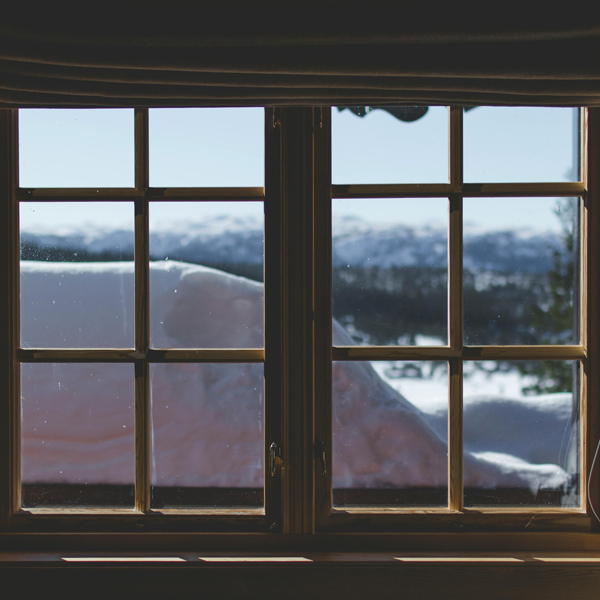
Among the various types of glass windows we offer, Double Casement Windows are quite popular. Double casement windows consist of two sashes that are hinged on the sides and can be opened inward or outward. They provide excellent ventilation as both sashes can be opened fully, allowing for a large amount of fresh air to enter the room. These windows are also aesthetically pleasing and can enhance the overall look of a building.
Contact Us for Your Window Needs
If you are in the market for high - quality glass windows, we are here to help. Our team of experts can assist you in choosing the right type of window for your specific needs, whether it's for a residential or commercial project. We offer a wide range of glass windows, including different styles, sizes, and materials, all manufactured using the latest technology and highest quality standards.
Don't hesitate to reach out to us to discuss your window requirements. We look forward to working with you to provide the best glass window solutions for your property.
References
- "Glass Manufacturing Handbook" by John A. Scholes
- "Window Technology: Design, Performance, and Energy Efficiency" by Douglas E. Quirouette
- Industry standards and guidelines from organizations such as the American Architectural Manufacturers Association (AAMA) and the National Fenestration Rating Council (NFRC)