





As a supplier of gliding windows, I often get asked about the sound transmission class (STC) of our products. Understanding the STC of gliding windows is crucial for customers who are looking to create a quiet and comfortable indoor environment. In this blog post, I'll explain what the sound transmission class is, how it applies to gliding windows, and why it matters.
What is Sound Transmission Class (STC)?
The Sound Transmission Class is a single-number rating that describes how well a building partition, such as a window, wall, or door, reduces sound. It is based on a laboratory test method where a sound source is placed on one side of the partition, and the sound levels are measured on the other side at various frequencies. The STC rating is then calculated by comparing the measured sound levels to a reference contour.
The higher the STC rating, the better the partition is at blocking sound. For example, a window with an STC rating of 30 will block less sound than a window with an STC rating of 40. Generally, an STC rating of 25 - 30 is considered basic, suitable for areas with low noise levels. An STC rating of 35 - 40 is good for normal residential areas, while an STC rating of 45 or higher is excellent for blocking out significant noise, such as traffic or industrial sounds.
Factors Affecting the STC of Gliding Windows
Several factors influence the sound transmission class of gliding windows.
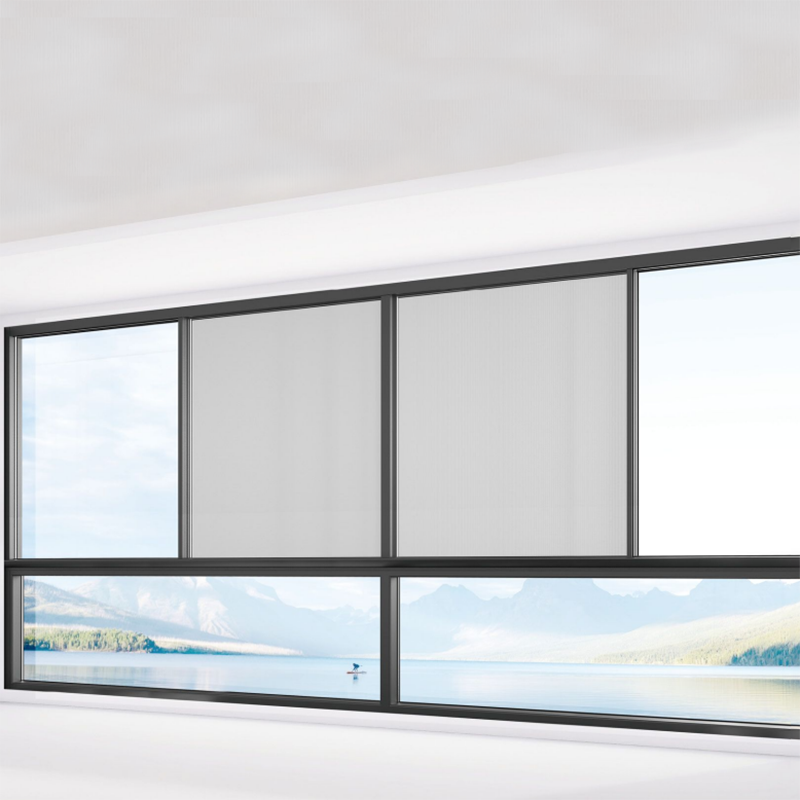

Glass Type
The type of glass used in the window plays a significant role in its sound-blocking ability. Single-pane glass has a relatively low STC rating, usually around 20 - 25. This is because it is thin and allows sound waves to pass through easily. Double-pane glass, on the other hand, consists of two layers of glass separated by a spacer filled with air or an inert gas like argon. This design provides better insulation and can achieve an STC rating of 30 - 35. Laminated glass, which has a layer of polyvinyl butyral (PVB) between two layers of glass, offers even better sound insulation, with STC ratings often reaching 35 - 45 or higher.
Window Frame Material
The material of the window frame also affects the STC. Aluminum frames are lightweight and durable but can conduct sound. They typically have a lower STC compared to other materials. Vinyl frames, on the other hand, are good insulators and can help improve the overall sound-blocking performance of the window. Wood frames also provide good sound insulation, as wood is a natural insulator.
Sealing and Installation
Proper sealing and installation are essential for maximizing the STC of gliding windows. Gaps around the window frame can allow sound to leak in, reducing the window's effectiveness. High-quality weatherstripping and seals can help prevent sound leakage. Additionally, professional installation ensures that the window is properly aligned and sealed, further improving its sound insulation properties.
Benefits of High STC Gliding Windows
Investing in gliding windows with a high STC rating offers several benefits.
Noise Reduction
The most obvious benefit is noise reduction. In a noisy environment, such as near a busy street or airport, high STC windows can significantly reduce the amount of noise that enters your home. This creates a more peaceful and comfortable living environment, allowing you to relax and sleep better.
Energy Efficiency
Windows with good sound insulation often also have good thermal insulation properties. This means that they can help keep your home warm in the winter and cool in the summer, reducing your energy consumption and lowering your utility bills.
Privacy
High STC windows can also enhance privacy by reducing the amount of sound that travels in and out of your home. This is especially important if you live in a densely populated area or if you have a home office where confidentiality is required.
Our Gliding Windows and Their STC Ratings
At our company, we offer a range of gliding windows with different STC ratings to meet the needs of our customers. Our Sliding Windows For Sunroom are designed to provide a balance between natural light and sound insulation. These windows are available with double-pane or laminated glass options, allowing you to choose the level of sound protection that suits your needs.
Our Sliding Window With Lock not only provides security but also offers good sound insulation. The lock mechanism is designed to ensure a tight seal, reducing sound leakage. These windows are suitable for both residential and commercial applications.
For customers who need even better sound insulation, our Window For Horizontal Sliding Window with laminated glass is an excellent choice. These windows can achieve an STC rating of 45 or higher, effectively blocking out high levels of noise.
How to Choose the Right Gliding Windows Based on STC
When choosing gliding windows based on STC, consider the following:
Noise Environment
Assess the noise level in your area. If you live near a busy road, railway, or airport, you'll need windows with a higher STC rating. If you live in a quiet residential area, a lower STC rating may be sufficient.
Budget
Windows with higher STC ratings generally cost more. Determine your budget and find a balance between the level of sound insulation you need and what you can afford.
Aesthetic Preferences
Consider the style and appearance of the windows. We offer a variety of frame colors and finishes to match your home's architecture and interior design.
Contact Us for Gliding Window Purchase
If you're interested in purchasing gliding windows with the right STC rating for your needs, we'd love to hear from you. Our team of experts can help you choose the best windows for your home or commercial property. Whether you need advice on STC ratings, window types, or installation, we're here to assist you. Contact us today to start the conversation and take the first step towards creating a quieter and more comfortable indoor environment.
References
- ASTM E90 - Standard Test Method for Laboratory Measurement of Airborne Sound Transmission Loss of Building Partitions and Elements.
- Window and Door Manufacturers Association (WDMA) publications on window performance.
- Various research studies on sound insulation in building envelopes.