



Tilt and Turn Windows
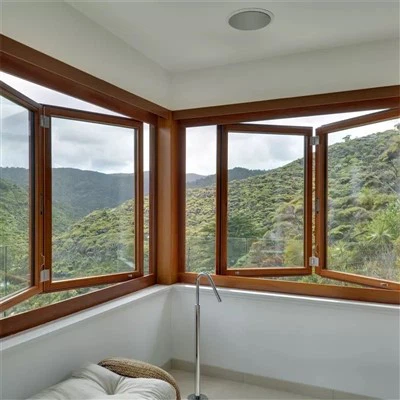
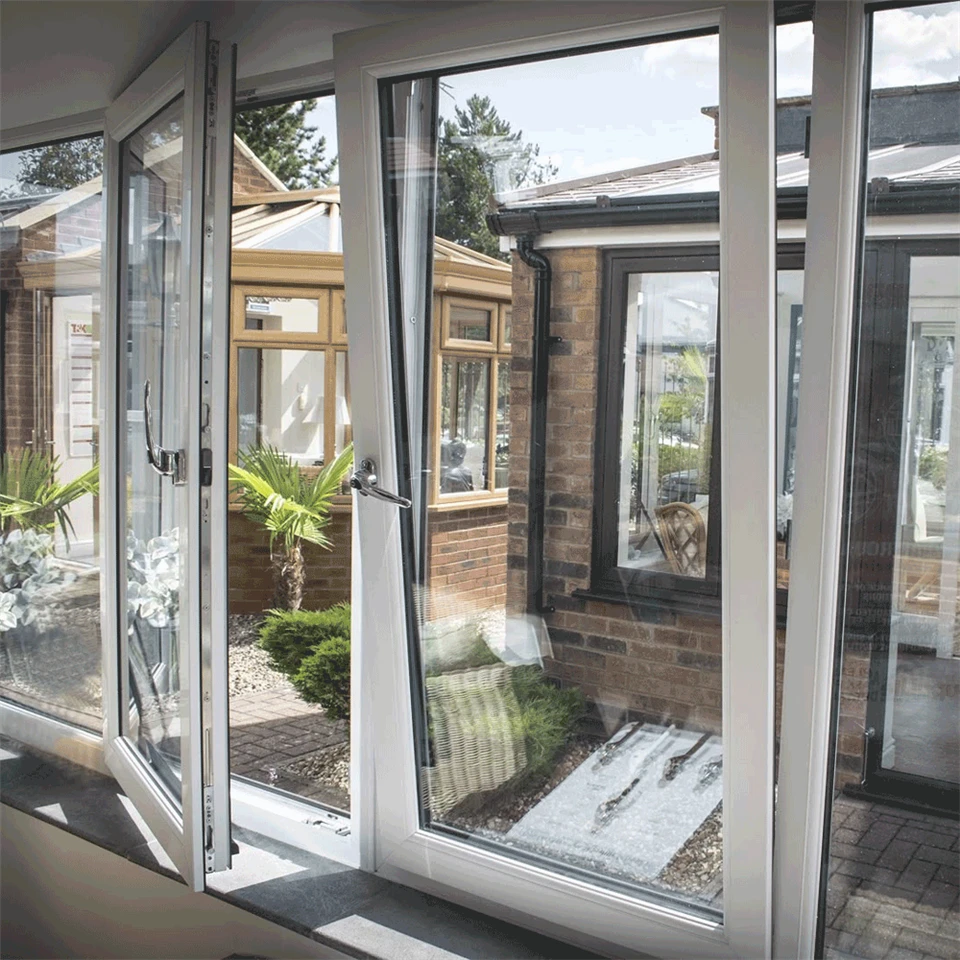
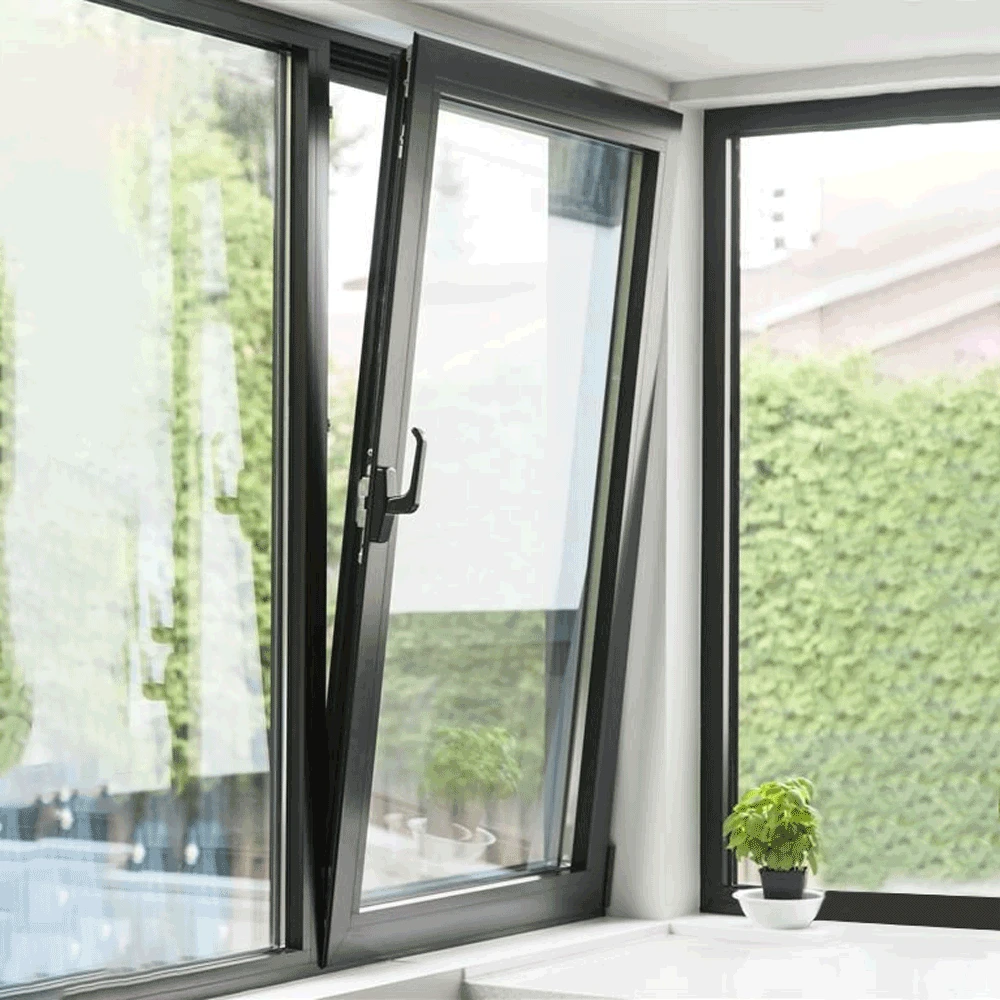
Deslano tilt and turn windows combine two opening functions in one sash: top-tilt ventilation and full inward opening, controlled by a single handle.
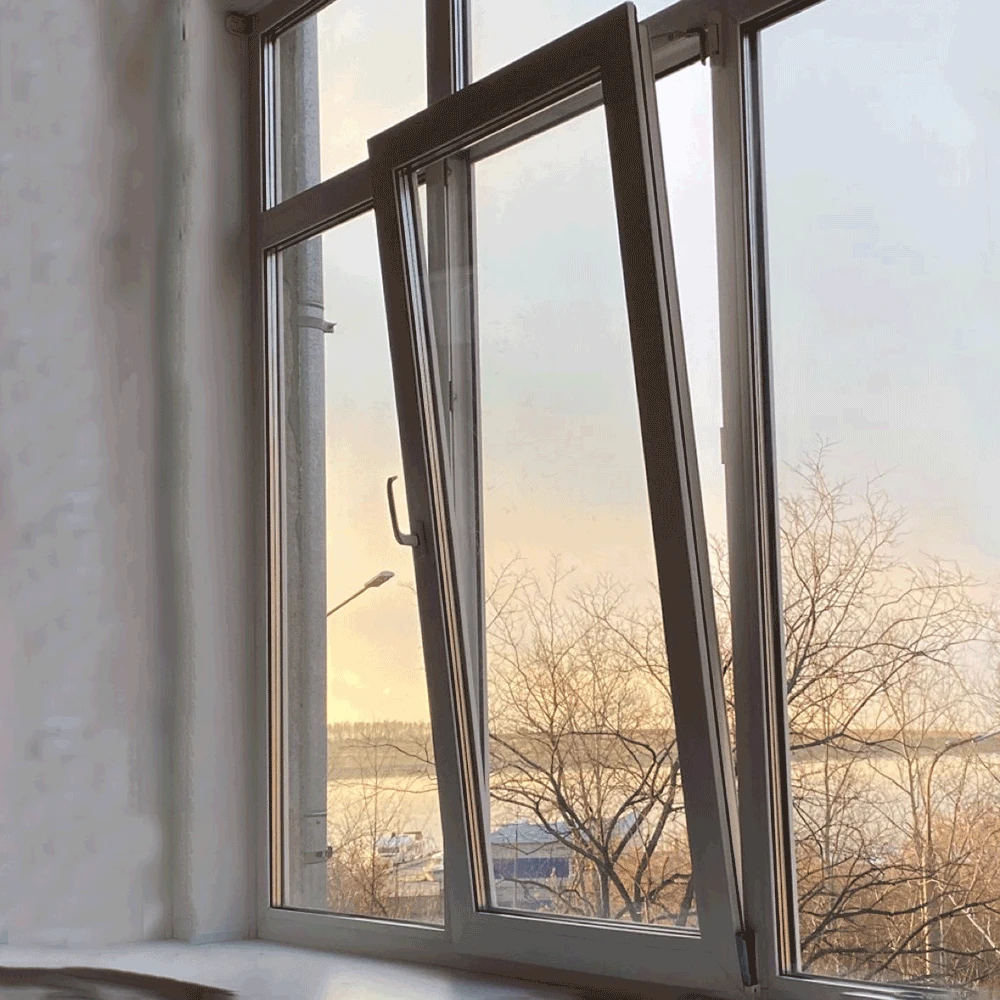
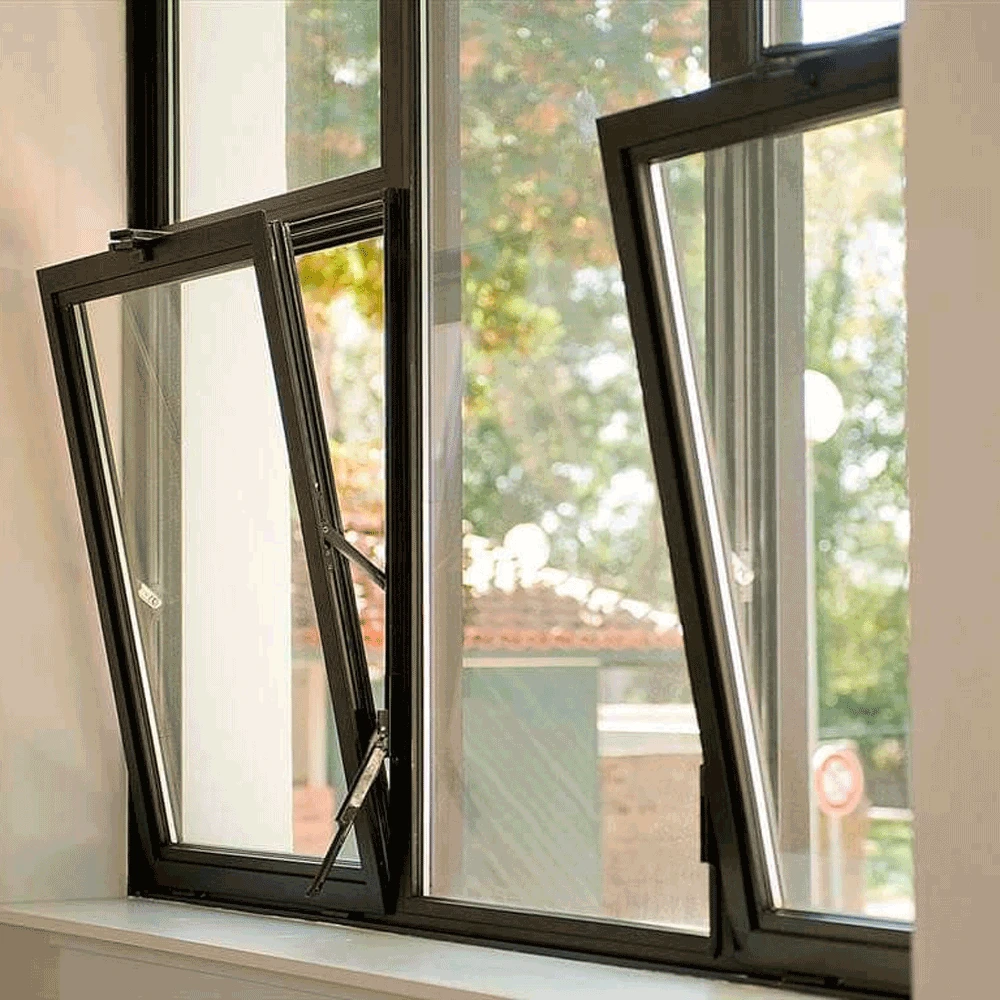
In tilt mode, the top of the sash moves inward while the bottom stays engaged with the frame, giving a narrow, controlled ventilation gap. In turn mode, the whole sash swings inward from the side hinge, opening the full sash for airflow, cleaning or access.
This dual function - plus perimeter compression sealing on all sides when closed - is why the system is used where both flexible ventilation and strong sealing performance matter: apartments and hotel rooms with limited exterior access, cold-climate buildings, and renovation projects upgrading from older sliding or casement systems.
Frame material, sash size, glass configuration, opening restriction and finish are configured per project drawing.
Tilt and Turn Window Configurations
Single-Sash
One operable sash covers the full opening. Best fit for narrow-to-medium openings - bedrooms, kitchens, hotel rooms, home offices - where one handle and one sash is enough. Opening direction (left/right hand) is set per room layout.
01
Double-Sash
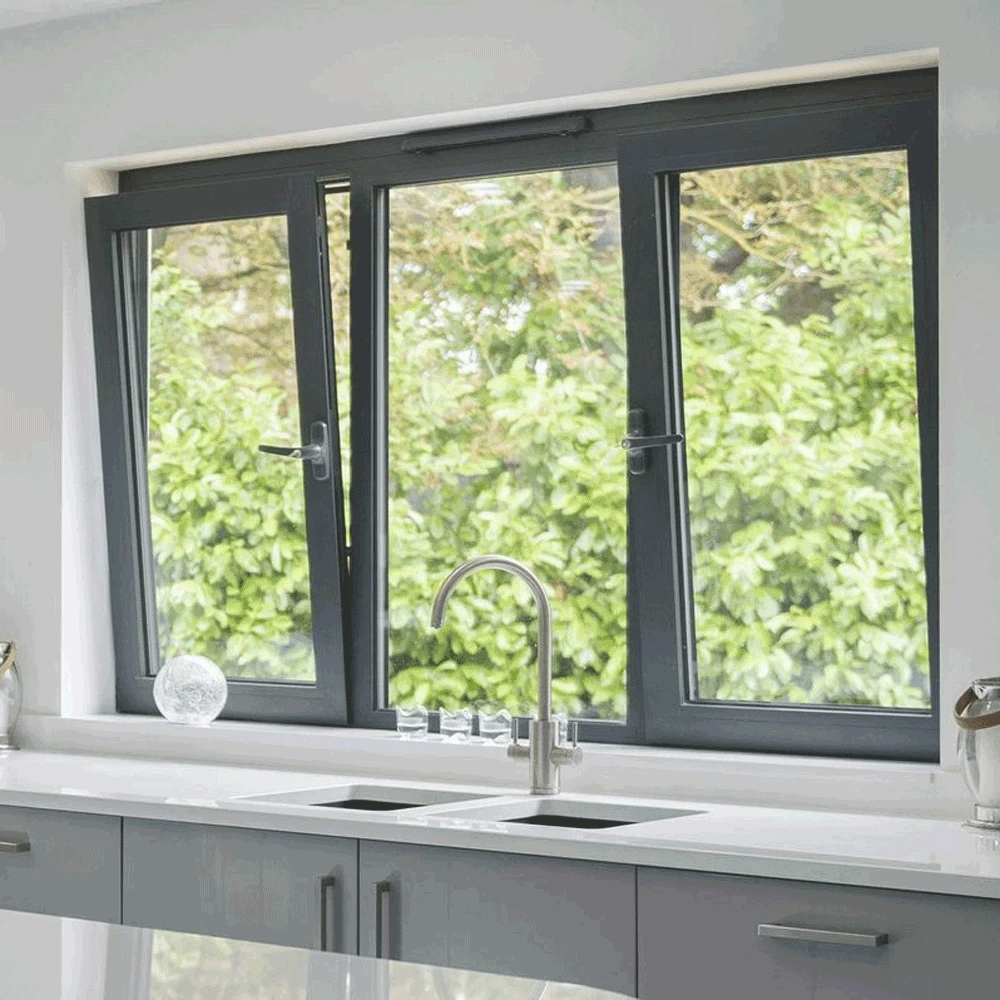
A wider opening is split into two sashes. One sash typically keeps full tilt-and-turn function; the second can be turn-only or fixed, depending on the layout. This avoids putting one oversized, heavy sash on a wide opening while keeping the tilt-and-turn function available. Common on villas and larger residential façades. The meeting point can use a fixed mullion or a project-specific floating mullion.
02
With Fixed Panels
A tilt-and-turn sash paired with fixed glazing - side panel, upper light, or multi-panel façade combination. Used when the full opening is too large to make entirely operable, or when the design calls for more fixed glass area than an operable sash allows.
03
Slim-Frame
Reduced frame and sash sightlines for a larger visible glass area, without giving up the tilt/turn function. Final sightline width depends on sash size, frame material and glass weight - slim profiles have lower size ceilings than standard profiles. Suited to contemporary and minimalist façades.
04
Large-Format
Oversized sashes are possible where the frame system and hardware can carry the load, but they need to be engineered around sash weight, not visible opening size. Above a certain size, expect reinforced profiles, higher-capacity hinges and additional lock points - confirm maximum dimensions with your project spec before finalizing drawings.
05


Tilt and Turn Window Technical Specifications
| Specification | Available Configuration |
|---|---|
| Opening Modes | Tilt (top-inward) + turn (side-hinged, inward) |
| Sash Arrangement | Single sash, double sash, or fixed + operable combination |
| Frame Material | Aluminum or uPVC |
| Locking Structure | Multipoint perimeter locking |
| Sealing Method | Compression gasket, full perimeter |
| Glass | Single, double or triple glazing per project |
| Safety Glass | Tempered or laminated options |
| Low-E / Argon Fill | Available |
| Opening Restriction | Optional (restrictors, lockable handle) |
| Handle Position | Project-specific |
| Insect Screen | Optional, interior/exterior compatible |
| Size | Custom, subject to sash-weight review |
Frame-material-specific details (thermal profile options, chamber count, finish range) are covered on the Tilt and Turn Windows pages
The Unique Characteristics of Tilt-and-Turn Windows
Why Perimeter Compression Sealing Matters
Most sliding systems need clearance along a track to move - which limits how tight the seal can be. A tilt-and-turn sash instead gets pulled flat against the frame gaskets at multiple points around its full perimeter when the handle locks it closed. That's the structural reason this system is typically chosen over sliding for cold-climate and high-airtightness-requirement projects.
Multipoint Locking
Rather than one central latch, the hardware engages the sash at several points around the perimeter when the handle is turned to closed. This spreads closing pressure evenly across the gasket line, which is what keeps a large sash sealing consistently rather than just at the corners - and adds resistance to forced entry compared to single-point locks. Point count and placement scale with sash size.
Opening Restriction
Tilt mode narrows the opening but is not a substitute for a safety restrictor - Deslano can add opening restrictors or lockable handles to either mode where the project (schools, hotel guest rooms, upper-floor apartments) requires controlled access rather than just reduced access.

Where It's Typically Used
Apartments & hotels - inward opening means the full sash can be cleaned and serviced from inside, which matters where there's no exterior access above ground level.
Cold-climate buildings - perimeter compression sealing pairs well with thermal-break aluminum or multi-chamber uPVC and Low-E/argon glazing.
Renovation - replaces older casement or sliding units without changing the opening's structural dimensions.
Schools & institutional buildings - tilt mode plus opening restrictors gives controlled ventilation where unrestricted full-opening isn't appropriate; confirm against local code.
Offices & villas - often specified with fixed side panels or slim-frame configurations to balance daylight, façade proportions and operable area.
Customization
| You choose | We configure around |
|---|---|
| Frame material (aluminum / uPVC) | Thermal performance, finish |
| Sash layout (single / double / fixed+operable) | Opening size, load distribution |
| Opening direction (L/R hand) | Interior layout, furniture clearance |
| Tilt angle / restrictors | Ventilation control, safety requirement |
| Sash dimensions | Glass weight, hinge and hardware capacity |
| Glazing (double/triple, Low-E, laminated) | Climate, acoustic and safety requirement |
Provide window dimensions, quantity, frame material preference, sash arrangement, opening direction and project location for a project-specific quotation
FAQ
Q: What's the actual difference between tilt mode and turn mode?
A: Tilt opens only the top edge inward, for background ventilation without a full opening. Turn swings the entire sash inward on its side hinge, for full airflow or interior access to clean the glass.
Q: Can I get a double-sash version if my opening is too wide for one sash?
A: Yes - the opening splits into two sashes, with at least one keeping full tilt-and-turn function. This is more common than oversizing a single sash once you're past standard single-sash width limits.
Q: Does a wider or taller sash cost more in hardware, not just glass?
A: Yes. Past a certain size, sash weight requires reinforced profiles and higher-load hinges and lock points - this is reviewed per project rather than quoted as a flat size-based rule.
Q: Is tilt mode enough for child safety on upper floors?
A: No - treat tilt mode as ventilation control, not a safety feature. Use a dedicated opening restrictor or lockable handle if that's the requirement.
Q: Can I mix a tilt-and-turn sash with fixed glazing in the same frame?
A: Yes - side panels, upper lights or multi-panel combinations are common on wider openings where full operability isn't needed everywhere.
Q: How do I know if slim-frame is an option for my window size?
A: It depends on sash size, frame material and glass weight - slim profiles have a lower maximum size than standard profiles, so it's confirmed against your specific dimensions.
Q: What information do you need for a quote?
A: Dimensions, quantity, frame material preference, sash arrangement (single/double/fixed combo), opening direction, and project location.

Custom Tilt and Turn Windows from Deslano
Deslano supplies custom tilt and turn windows for houses, apartments, villas, hotels, offices and renovation projects.Provide the window dimensions, quantity, frame material, sash arrangement, opening direction and project location for a project-specific configuration and quotation.Contact Deslano for custom tilt and turn window manufacturing and project supply.
Hot Tags: tilt and turn windows, China tilt and turn windows manufacturers, suppliers, factory