





What are the security ratings of lifting windows?
As a supplier of lifting windows, I've witnessed firsthand the growing demand for these innovative window solutions. Lifting windows, including Gas Lifting Window, Lift Window, and Vertical Lift Window, offer unique advantages in terms of functionality and aesthetics. However, one of the most critical aspects that customers often inquire about is the security rating of these windows. In this blog post, I'll delve into the factors that determine the security ratings of lifting windows and why they matter.
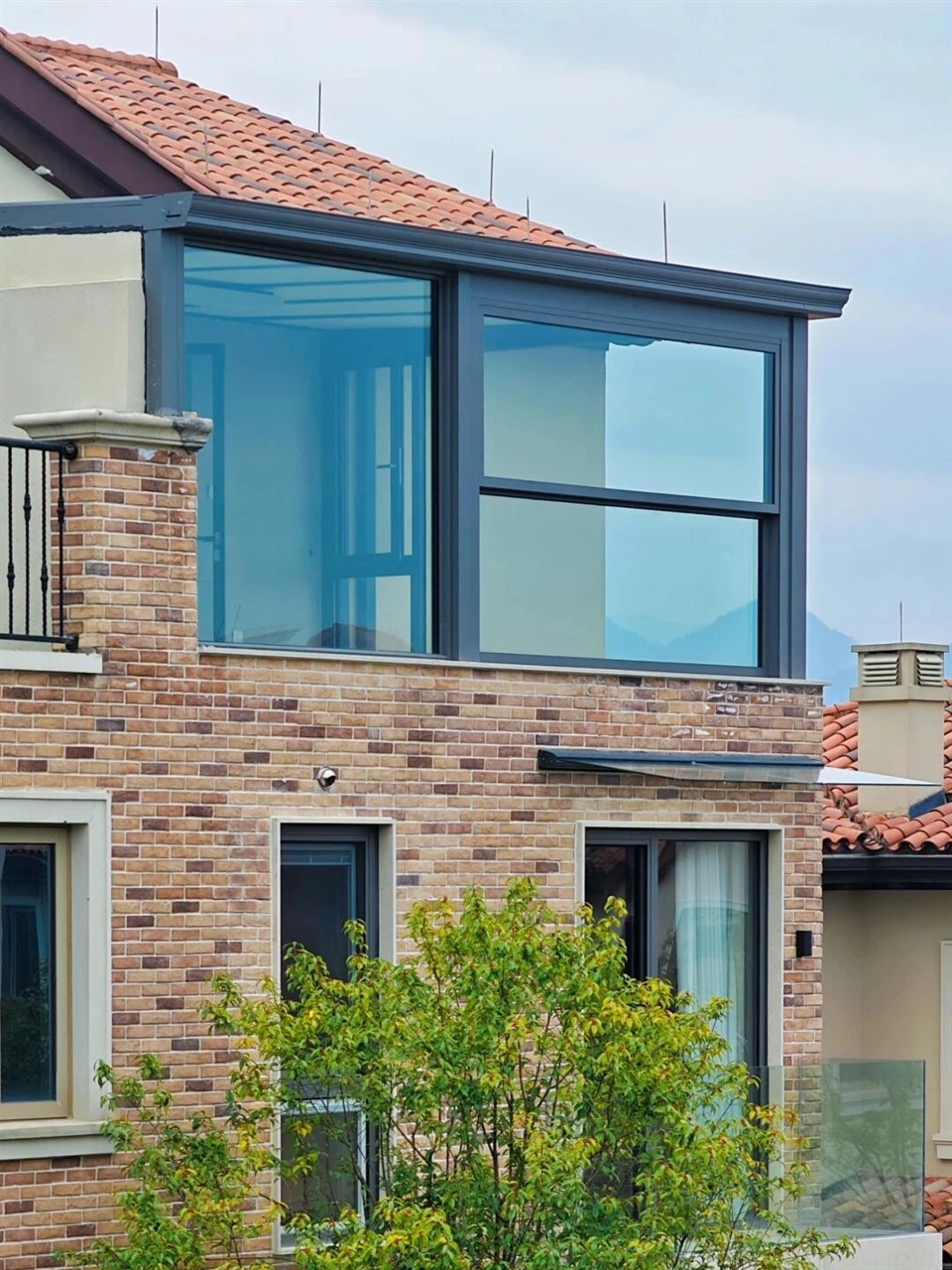

Understanding Security Ratings
Security ratings for windows are standardized assessments that measure a window's ability to withstand forced entry and resist external threats. These ratings are typically based on a series of tests conducted by independent organizations, which evaluate factors such as the strength of the window frame, the quality of the locking mechanisms, and the durability of the glass. The most common security ratings for windows include:
- Burglar Resistance: This rating measures the window's ability to resist forced entry attempts, such as prying, kicking, or using tools to break the window or unlock the mechanism. Windows with higher burglar resistance ratings are more secure and less likely to be breached.
- Impact Resistance: Impact resistance ratings assess the window's ability to withstand physical impact, such as being hit by a projectile or a heavy object. This is particularly important in areas prone to extreme weather conditions, such as hurricanes or tornadoes, where windows may be exposed to high winds and flying debris.
- Fire Resistance: Fire resistance ratings indicate the window's ability to prevent the spread of fire and smoke from one area to another. Windows with higher fire resistance ratings can help contain fires and provide additional time for occupants to evacuate safely.
Factors Affecting the Security Ratings of Lifting Windows
Several factors contribute to the security ratings of lifting windows. Understanding these factors can help you make an informed decision when choosing the right lifting window for your home or commercial property.
Window Frame Material
The material used for the window frame plays a crucial role in determining the window's security. Common window frame materials include aluminum, vinyl, wood, and fiberglass. Each material has its own strengths and weaknesses in terms of security:
- Aluminum: Aluminum frames are strong, durable, and resistant to corrosion. They are also relatively lightweight, making them easy to operate. However, aluminum frames can be more susceptible to dents and scratches, which may compromise their security over time.
- Vinyl: Vinyl frames are energy-efficient, low-maintenance, and affordable. They are also resistant to rot, insects, and moisture. However, vinyl frames may not be as strong as aluminum or wood frames, and they may require additional reinforcement to meet higher security ratings.
- Wood: Wood frames are aesthetically pleasing, provide excellent insulation, and can be customized to fit any architectural style. However, wood frames require regular maintenance, such as painting or staining, to prevent rot and decay. They are also more susceptible to fire and termite damage.
- Fiberglass: Fiberglass frames are strong, durable, and energy-efficient. They are also resistant to corrosion, rot, and insects. Fiberglass frames can be designed to mimic the appearance of wood or other materials, making them a popular choice for both residential and commercial applications.
Locking Mechanisms
The quality and type of locking mechanisms used in lifting windows are critical for ensuring their security. A good locking mechanism should be strong, reliable, and difficult to bypass. Some common types of locking mechanisms used in lifting windows include:
- Sash Locks: Sash locks are the most basic type of locking mechanism used in windows. They typically consist of a simple latch or hook that engages with a strike plate on the window frame. Sash locks are easy to operate but may not provide the highest level of security.
- Multi-Point Locks: Multi-point locks are more advanced locking mechanisms that engage at multiple points along the window frame. This provides greater resistance to forced entry and makes it more difficult for intruders to pry open the window. Multi-point locks are commonly used in high-security windows and are recommended for areas where security is a top priority.
- Keyed Locks: Keyed locks provide an additional layer of security by requiring a key to unlock the window. Keyed locks can be used in conjunction with other locking mechanisms, such as sash locks or multi-point locks, to enhance the window's security.
Glass Type
The type of glass used in lifting windows also affects their security. Different types of glass offer varying levels of strength, durability, and resistance to breakage. Some common types of glass used in windows include:
- Single-Pane Glass: Single-pane glass is the most basic type of glass used in windows. It consists of a single layer of glass and provides minimal insulation and security. Single-pane glass is relatively inexpensive but is more prone to breakage and is not recommended for high-security applications.
- Double-Pane Glass: Double-pane glass consists of two layers of glass separated by a sealed air space. This provides better insulation and reduces heat transfer, making it more energy-efficient. Double-pane glass is also more resistant to breakage than single-pane glass and provides a higher level of security.
- Tempered Glass: Tempered glass is a type of safety glass that is stronger and more resistant to breakage than regular glass. When tempered glass breaks, it shatters into small, rounded pieces instead of sharp shards, reducing the risk of injury. Tempered glass is commonly used in areas where safety is a concern, such as doors, windows, and shower enclosures.
- Laminated Glass: Laminated glass consists of two or more layers of glass bonded together with a layer of plastic interlayer. This provides additional strength, security, and sound insulation. Laminated glass is also more resistant to impact and can help prevent the spread of fire and smoke.
Importance of High Security Ratings
Investing in lifting windows with high security ratings offers several benefits, including:
- Peace of Mind: Knowing that your windows are secure can give you peace of mind, especially if you live in an area with a high crime rate or if you have valuable possessions in your home or commercial property.
- Protection Against Intruders: High-security windows can deter potential intruders and make it more difficult for them to gain access to your property. This can help prevent burglaries and other criminal activities.
- Enhanced Safety: Windows with high impact resistance and fire resistance ratings can provide additional safety for you and your family. In the event of a natural disaster or a fire, these windows can help protect you from flying debris and prevent the spread of fire and smoke.
- Energy Efficiency: Many high-security windows are also energy-efficient, which can help reduce your energy bills and lower your carbon footprint. By choosing windows with good insulation properties, you can keep your home or commercial property comfortable year-round while saving money on heating and cooling costs.
Choosing the Right Lifting Window for Your Needs
When choosing a lifting window, it's important to consider your specific security needs, budget, and aesthetic preferences. Here are some tips to help you make the right decision:
- Evaluate Your Security Requirements: Consider the level of security you need based on your location, the crime rate in your area, and the value of your property. If security is a top priority, look for windows with high burglar resistance, impact resistance, and fire resistance ratings.
- Choose the Right Window Frame Material: Select a window frame material that suits your needs and preferences. Consider factors such as strength, durability, maintenance requirements, and energy efficiency.
- Opt for High-Quality Locking Mechanisms: Invest in windows with reliable and secure locking mechanisms, such as multi-point locks or keyed locks. Make sure the locking mechanisms are easy to operate and provide a high level of security.
- Select the Appropriate Glass Type: Choose a glass type that offers the right balance of strength, security, and energy efficiency. Consider factors such as the climate in your area, the level of noise reduction you need, and the amount of sunlight you want to let in.
- Look for Certification and Testing: Look for windows that have been tested and certified by independent organizations, such as the American Architectural Manufacturers Association (AAMA) or the National Fenestration Rating Council (NFRC). These certifications ensure that the windows meet industry standards for security, energy efficiency, and performance.
Conclusion
The security ratings of lifting windows are an important consideration when choosing the right windows for your home or commercial property. By understanding the factors that affect the security ratings of lifting windows and choosing windows with high security ratings, you can enhance the safety and security of your property while enjoying the many benefits that lifting windows have to offer.
If you're interested in learning more about our lifting windows or would like to discuss your specific security needs, please don't hesitate to contact us. Our team of experts is here to help you find the perfect lifting window solution for your project.
References
- American Architectural Manufacturers Association (AAMA). (Year). AAMA Window Performance Standards.
- National Fenestration Rating Council (NFRC). (Year). NFRC Window Energy Rating System.
- Window & Door Manufacturers Association (WDMA). (Year). WDMA Window and Door Security Guidelines.