
Fixed Window Product Lines
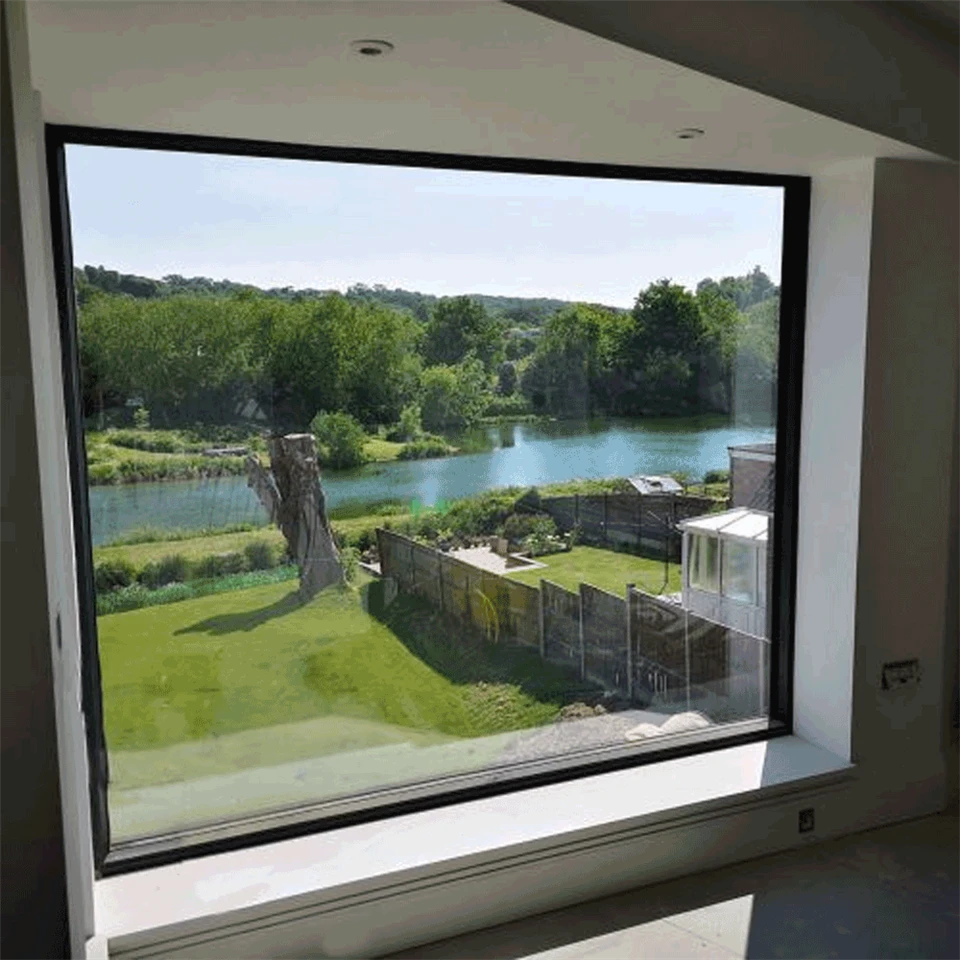
Standard Fixed Windows
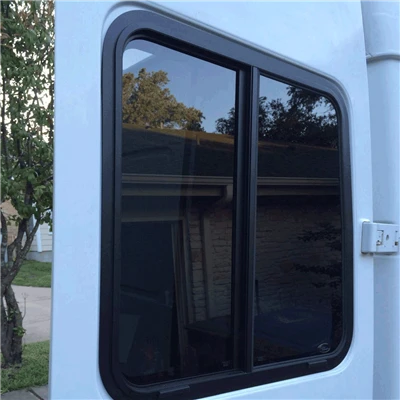
Standard fixed windows use a permanently closed glazed section within a rigid perimeter frame.
They are suitable for regular residential and commercial openings where the primary requirements are natural light, exterior visibility and a simple non-opening structure.
Main characteristics include:
Permanently closed construction
No opening clearance required
Simple frame geometry
High glass-to-frame ratio
Suitable for repeated project sizes
Compatible with surrounding operable windows
Standard fixed windows can be installed individually or incorporated into multi-window combinations.
Slim-Frame Fixed Windows
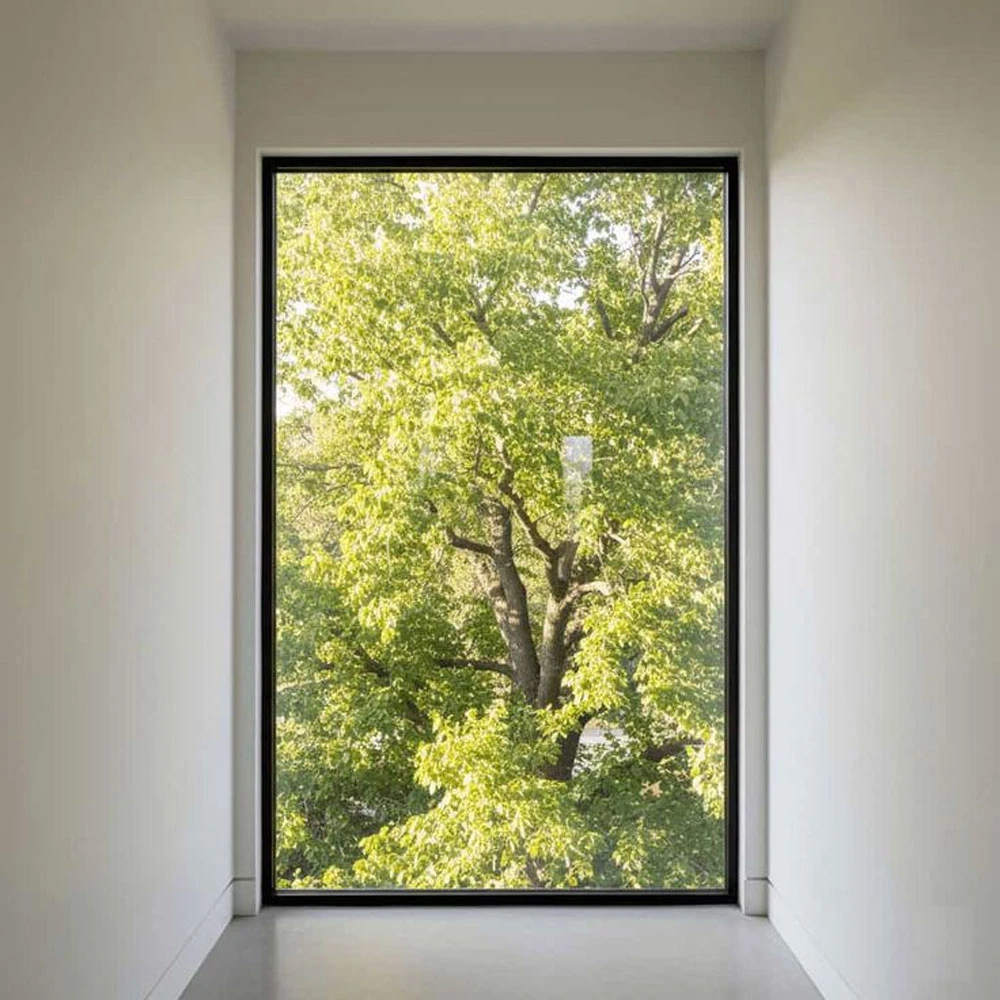
Slim-frame fixed windows reduce the visible perimeter profile around the glazing.
Because there are no moving sash components, the frame can be visually simpler than many operable window systems. This allows the design to emphasize the glazed opening and reduce unnecessary visual interruption.
This configuration is suitable for:
Modern villas
Apartments
Hotels
Offices
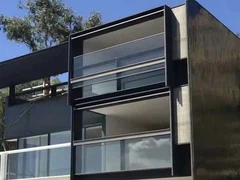
Minimalist façades
Interior architectural openings
The achievable sightline depends on overall window dimensions and structural requirements.
Large Fixed Windows
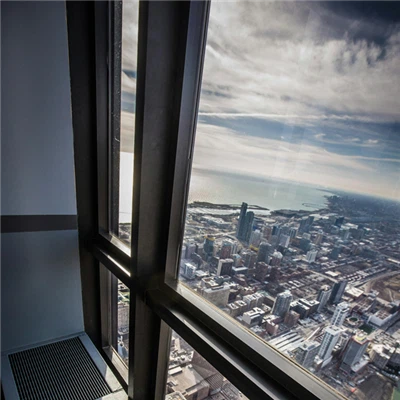
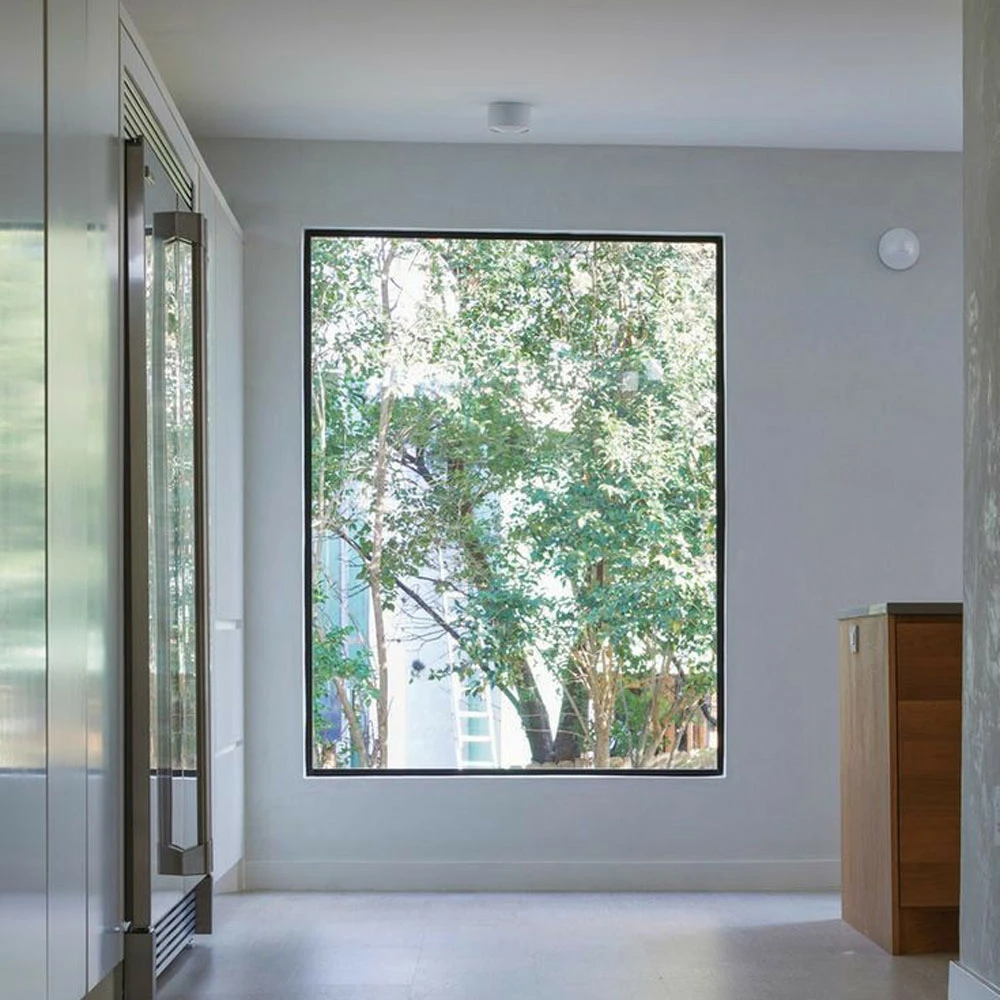
Fixed construction is well suited to larger openings because the glazing does not need to move during daily operation.
The absence of hinges, rollers or sash movement allows the frame to support larger glazed areas while maintaining a simple operating-free structure.
Large fixed windows are commonly used in:
Living rooms
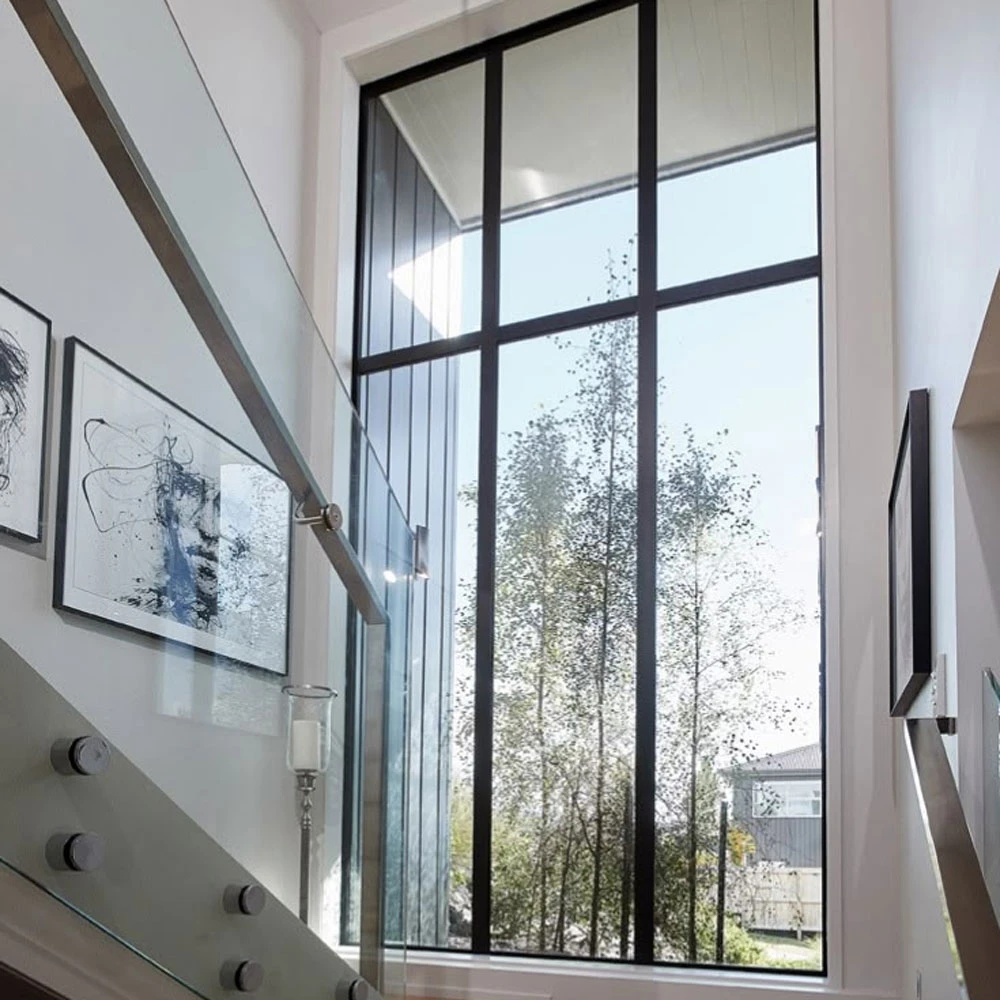
Stairwells
Double-height spaces
Hotel lobbies
Commercial façades
Scenic residential elevations
Large dimensions still require review of glass size, frame strength, building height and structural loading before production.
Thermal-Break Fixed Windows
Thermal-break fixed windows use an insulated frame system to reduce direct heat transfer through the aluminum structure.
Because the glazing remains permanently closed, the system can maintain a continuous perimeter interface without movable joints.
This configuration is suitable for:
Climate-controlled buildings
Villas
Hotels
Apartments
Cold-climate projects
Energy-conscious commercial buildings
Specific thermal performance depends on the complete frame and glazing configuration.
Combination Fixed Windows
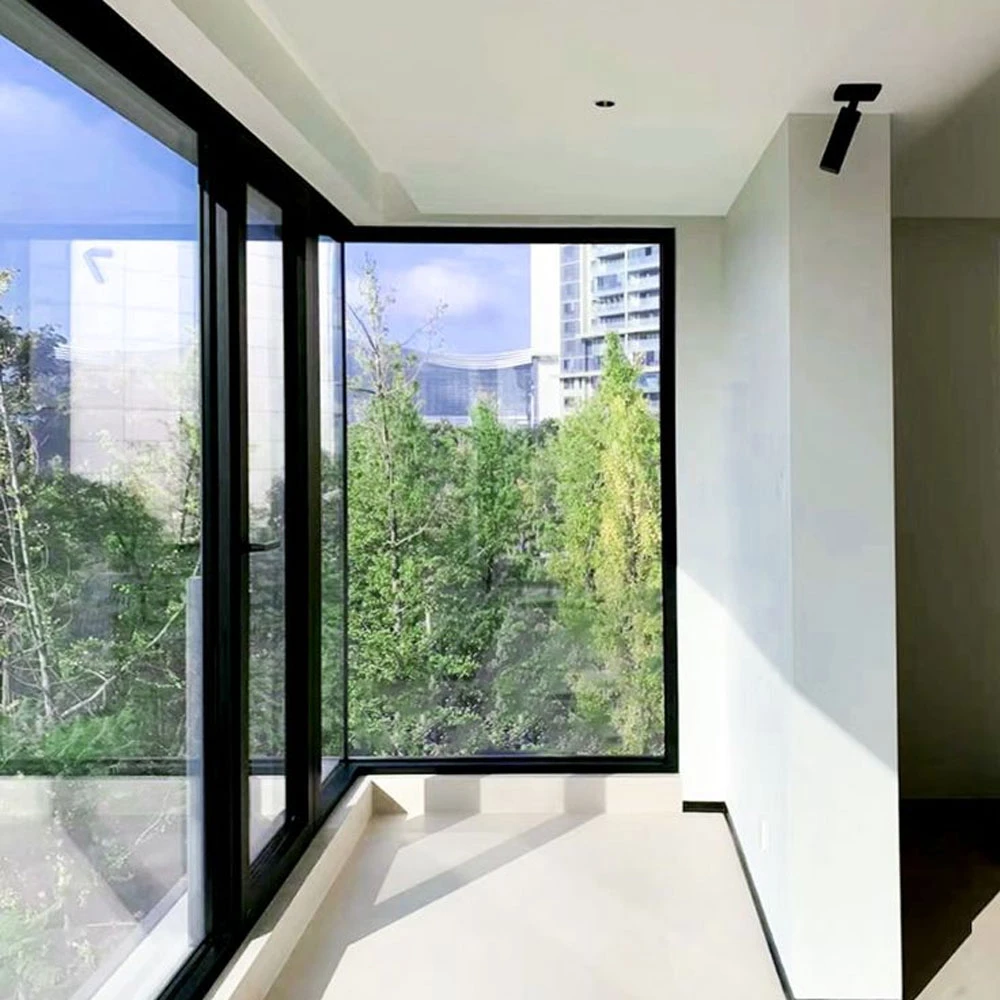
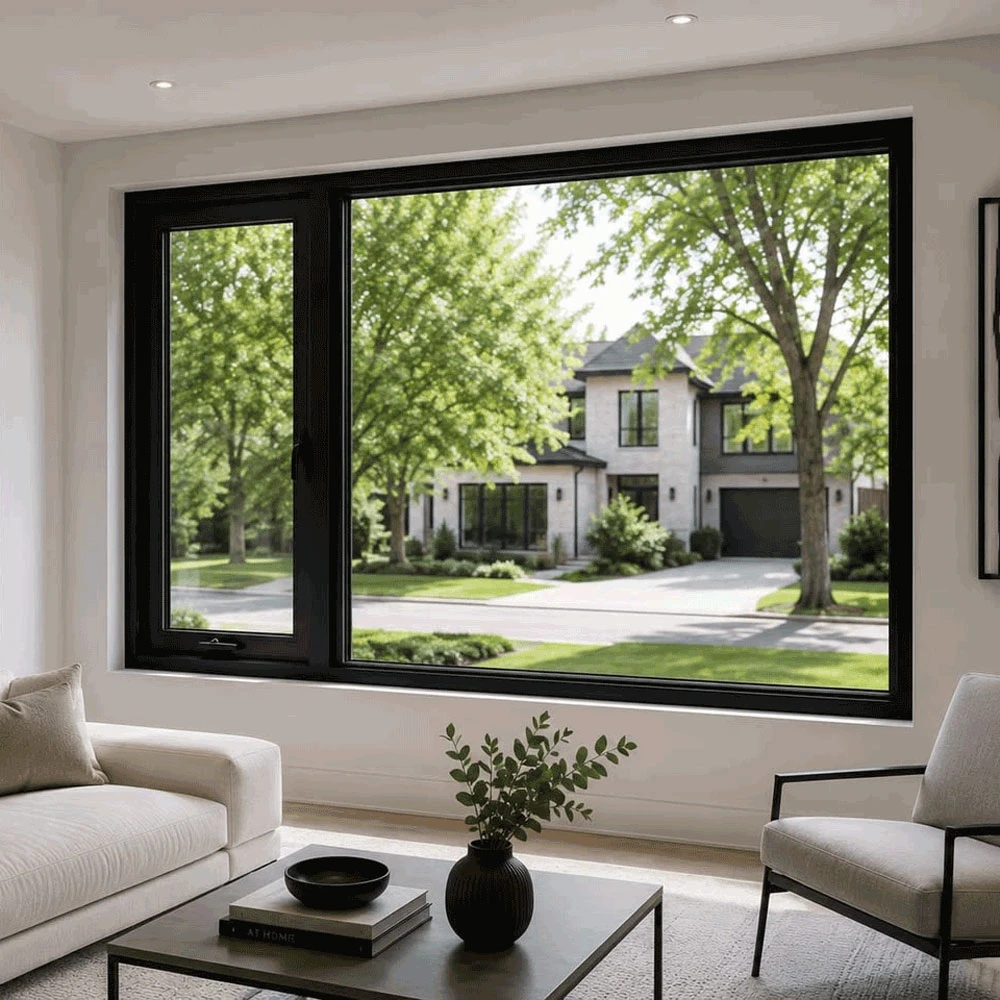
Fixed windows can be integrated beside, above or below operable windows to create larger architectural compositions.
The fixed section provides uninterrupted glazing where ventilation is unnecessary, while adjacent opening sections provide the required airflow.
Typical combinations include:
Fixed + casement
Fixed + sliding
Fixed + tilt-and-turn
Fixed side panels
Fixed upper sections
Multi-unit window walls
This allows the façade to balance daylight, opening function and visual proportions.
Fixed Window Series Comparison
|
Comparison Criteria |
Standard Fixed |
Slim-Frame Fixed |
Large Fixed |
Thermal-Break Fixed |
|
Main Function |
Daylight and exterior view |
Reduced visual frame |
Larger glazed opening |
Improved frame insulation |
|
Opening Function |
None |
None |
None |
None |
|
Frame Appearance |
Standard |
Minimal |
Structurally reinforced as required |
Insulated frame |
|
Glass Area |
High |
Very high |
Very high |
High |
|
Typical Size |
Small to medium |
Small to medium |
Medium to large |
Project-specific |
|
Main Application |
Residential and commercial |
Modern architecture |
Scenic and large openings |
Climate-controlled buildings |
|
Primary Characteristic |
Simple fixed structure |
Slim sightlines |
Large-format capability |
Continuous insulated perimeter |
We offer a comprehensive service
In addition to the regular products that we already produce.
Non-Opening Frame Structure
The defining characteristic of a fixed window is the complete absence of opening movement.
The glazing remains permanently secured within the frame, so the system does not require:
Hinge clearance
Sliding tracks
Opening handles
Sash travel space
Opening restrictors
Daily operating components
This allows the window to concentrate on three main functions:
Daylight
Exterior visibility
Building-envelope closure
The simplified structure also makes fixed windows suitable for locations where users do not need direct ventilation.
Maximum Visible Glass Area
Removing opening mechanisms allows a greater proportion of the window opening to be dedicated to glazing.
Compared with an operable window of the same overall size, a fixed window can often use fewer visual frame divisions because there is no requirement for moving sash clearance.
This provides:
Wider uninterrupted views
Increased daylight
Cleaner façade lines
Reduced visual obstruction
More flexible architectural proportions
For modern residential and commercial projects, the fixed window can therefore function as a visual element rather than simply a source of ventilation.
Continuous Perimeter Construction
An operable window requires joints and clearances around the moving sash.
A fixed window does not have these operating gaps. The glazing interface remains continuously closed around the perimeter of the frame.
This structural characteristic can support strong air- and water-control performance when the complete window and installation are correctly designed.
The continuous perimeter is particularly useful for:
Exposed elevations
Air-conditioned buildings
High-rise façades
Hotels
Bedrooms where ventilation is provided elsewhere
Areas requiring permanently closed glazing
Final performance values must correspond to the actual tested product configuration rather than being assumed solely from the fixed design.
Large Glazing Capability
A fixed panel does not need to be lifted, slid or supported during daily operation.
This makes fixed windows suitable for openings where the glazed area would be too heavy or impractical as a frequently operated sash.
The design can accommodate larger glazing proportions by coordinating:
Overall opening size
Glass dimensions
Frame depth
Structural reinforcement
Support conditions
Building location
For oversized units, individual technical review is required before confirming the final window dimensions.
Slim Perimeter Sightlines
The fixed construction allows the perimeter frame to be visually simplified.
Slim sightlines help emphasize the glass and reduce the frame's visual impact on the façade.
This is particularly effective when several fixed windows are installed together because narrow frame divisions can create a more continuous glazed appearance.
Slim fixed windows are suitable for modern architectural styles that prioritize:
Minimal frame visibility
Large areas of daylight
Clean geometric lines
Exterior views
Visual continuity between multiple window openings
The frame section must still remain compatible with the required glazing size and structural conditions.
Fixed Window Shapes
Fixed construction provides greater freedom in window geometry because the unit does not need to accommodate a moving sash.
In addition to conventional rectangular formats, project-specific fixed windows can be developed in different architectural proportions and shapes.
Available configurations may include:
Square
Vertical rectangle
Horizontal rectangle
Trapezoidal
Triangular
Arched
Circular
Polygonal
Project-specific geometric shapes
The feasibility of non-rectangular units depends on profile fabrication, glass processing and project dimensions.
Shaped fixed windows are particularly useful for façades, gables, staircases and architectural feature areas.
Vertical Fixed Windows
Tall fixed windows emphasize vertical architectural lines and can bring daylight deeper into narrow spaces.
They are suitable for:
Stairwells
Corridors
Tall residential walls
Entrance areas
Double-height spaces
Narrow façade modules
Several vertical units can also be arranged side by side to create a repeated architectural rhythm.
Horizontal Fixed Windows
Wide fixed windows create a panoramic visual proportion and are suitable for areas where the exterior view extends horizontally.
Typical locations include:
Living rooms
Dining rooms
Offices
Hospitality spaces
Long façade openings
Landscape-facing walls
The height and width ratio can be customized according to the surrounding architecture.
Fixed Window Combination Design
Fixed windows are frequently used as part of a larger multi-window system rather than as isolated units.
A fixed section can occupy areas where ventilation is unnecessary, while smaller operable sections provide the required opening function.
This allows designers to avoid making every panel operable.
For example, a wide façade opening can use a large fixed central area combined with smaller opening windows on either side.
This approach can provide:
Larger uninterrupted views
Clearer façade proportions
Fewer moving components
Targeted ventilation
Greater flexibility in panel sizes
Detailed information about other opening window types can be linked through their respective product pages.
Fixed Windows for High-Level Openings
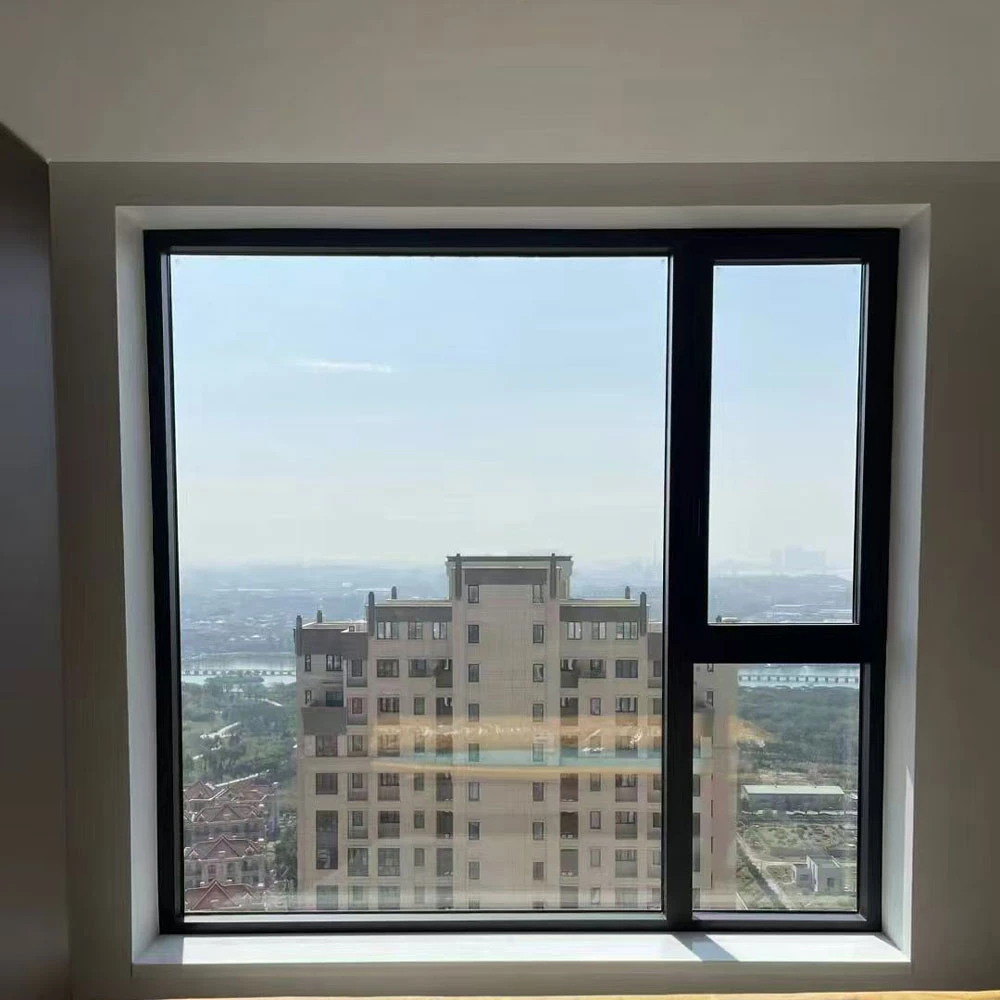
Fixed windows are suitable for positions that are difficult or unnecessary to operate manually.
Examples include:
Above staircases
High walls
Double-height rooms
Above doors
Upper façade zones
Clerestory-style openings
In these locations, the window primarily provides daylight rather than ventilation.
The absence of operating components also avoids installing inaccessible handles or opening mechanisms at excessive heights.
Fixed Windows for Low-Level Glazing
Fixed windows can also be used at lower wall positions where the architectural design requires continuous glazing without opening access.
Possible applications include:
Floor-level façade sections
Stair landings
Commercial display areas
Residential view panels
Interior partitions
Safety glazing requirements should be confirmed according to the installation height and applicable project standard.
General glass-selection information will be covered on the main Fixed Windows category page.
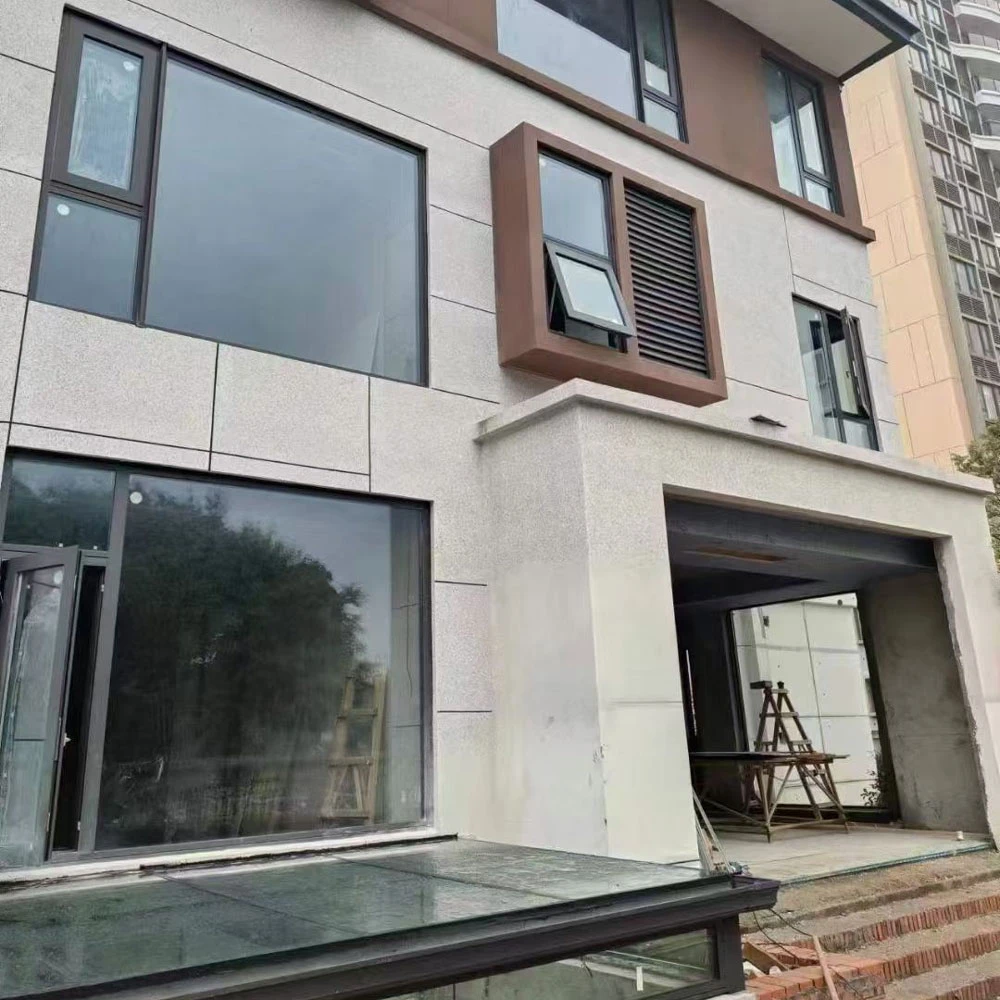
Fixed Window Applications
Living Rooms
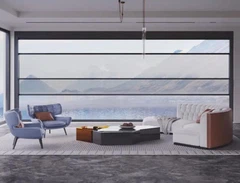
Fixed windows can create larger areas of uninterrupted glazing in living spaces where surrounding doors or operable windows already provide ventilation.
They are particularly suitable for garden-facing and landscape-facing walls.
Stairwells
Stairwells often require daylight but do not require frequently operated windows.
Tall fixed units can follow the vertical direction of the staircase while maintaining a simple permanently closed structure.
Hotels
Hotel façades can use fixed windows where air-conditioning or mechanical ventilation reduces the need for manual window operation.
Their simple closed structure also supports consistent exterior appearance across repeated room modules.
High-Rise Buildings
Fixed windows can be used on high-rise elevations where opening restrictions, wind exposure or façade design favor permanently closed glazing.
Final dimensions and structural requirements must be confirmed according to the specific building conditions.
Double-Height Spaces
Large fixed glazing can introduce natural light into high-volume interiors where conventional operable windows may be difficult to reach.
Offices
Fixed windows are suitable for office façades and meeting rooms where daylight and external views are required while the building ventilation is controlled separately.
Retail Spaces
Large fixed glazing can provide visibility between interior commercial spaces and exterior pedestrian areas.
Bedrooms
Where ventilation is provided by another opening window, a fixed section can increase daylight and exterior views without adding additional operating components.
Fixed Window Technical Specifications
| Item | Available Configuration |
| Product Name | Fixed Window |
| Alternative Description | Non-Opening / Non-Operable Window |
| Opening Function | None |
| Main Structure | Permanently fixed glazing within frame |
| Frame System | Standard, slim, reinforced or thermal-break |
| Frame Material | Aluminum or project-specific system |
| Window Shape | Rectangular or customized geometric shape |
| Orientation | Vertical, horizontal or project-specific |
| Glass Area | High glass-to-frame ratio |
| Combination Use | Can be integrated with operable windows |
| Surface Finish | Powder coating, anodizing, PVDF or wood-grain |
| Color | Standard or customized RAL colors |
| Size | Custom-manufactured after structural review |
| Main Applications | Residential, hospitality and commercial projects |
Common glazing systems, sealing details, installation, manufacturing, packaging and ordering information will be presented on the main Fixed Windows category page
Why Choose Deslano Fixed Windows

Permanently Closed Structure
The non-operable design eliminates unnecessary moving components where ventilation is not required.
High Glass-to-Frame Ratio
Fixed construction allows the window design to prioritize visible glazing and exterior views.
Slim Architectural Sightlines
Reduced frame sections can be selected for modern façades and minimalist projects.
Large-Format Capability
Fixed windows can accommodate larger glazed areas because the panel does not need to move during daily operation.
Flexible Window Geometry
Rectangular and customized architectural shapes can be produced according to project drawings.
Vertical and Horizontal Proportions
The window can be adapted to tall, narrow, wide or square openings.
Easy Integration with Operable Windows
Fixed sections can be combined with sliding, casement or other opening windows within the same architectural composition.
Custom Project Manufacturing
Dimensions, frame proportions, shapes and finishes can be produced according to approved drawings and façade requirements.
FAQ
Q: Does a fixed window open?
A: No. A fixed window is permanently closed and is designed primarily for daylight, exterior views and building-envelope closure.
Q: Can fixed windows be made larger than operable windows?
A: Fixed construction can support larger glazing areas because the glass does not need to move, although maximum size still depends on the frame, glass and structural requirements.
Q: Can fixed windows have slim frames?
A: Yes. Slim-profile systems can reduce visible frame width where the window dimensions and structural conditions allow.
Q: Can fixed windows be combined with opening windows?
A: Yes. Fixed panels are commonly installed beside, above or below operable windows to create larger glazing arrangements.
Q: Can a fixed window be made in a custom shape?
A: Yes. Triangular, trapezoidal, arched and other geometric configurations can be evaluated because the glazing does not require a moving sash.
Q: Can fixed windows be used in high positions?
A: Yes. Fixed windows are particularly suitable for stairwells, double-height spaces and other areas where manual operation would be unnecessary or difficult.
Q: Are thermal-break fixed windows available?
A: Yes. Thermal-break frame systems can be selected for projects requiring improved frame insulation.
Q: Can fixed windows be used in high-rise buildings?
A: Yes. Fixed windows can be configured for high-rise projects according to the required glass, frame strength and project performance criteria.
Q: Can fixed windows be installed next to sliding windows?
A: Yes. Fixed and operable units can be coordinated within the same façade or window combination.
Q: Can the frame shape and color be customized?
A: Yes. Dimensions, proportions, shapes, frame finishes and colors can be customized according to architectural requirements.

Request a Quote for Custom Fixed Windows
Deslano manufactures custom fixed windows for residential, hospitality and commercial projects.Provide the window dimensions, quantity, required shape, frame appearance and project location to receive a project-specific fixed window configuration and quotation.Contact Deslano for custom fixed window manufacturing and project supply.
Hot Tags: fixed window, China fixed window manufacturers, suppliers, factory