

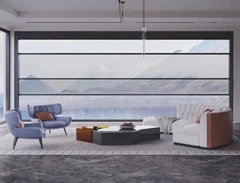
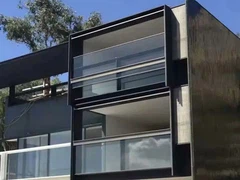

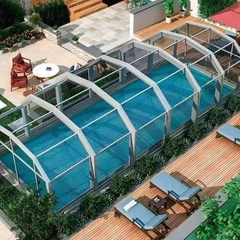


Different types of glass windows are designed for different building requirements, climates, operating methods, and performance expectations. The main categories include sliding windows, casement windows, fixed windows, folding windows, awning windows, tilt and turn windows, and specialized commercial glazing systems. The right choice depends on factors such as ventilation needs, energy efficiency, architectural design, maintenance requirements, and project budget.
For B2B buyers such as distributors, contractors, architects, developers, and building material importers, choosing a glass window type is not simply a design decision. The opening style affects installation, hardware requirements, weather resistance, cleaning, long-term maintenance, and even transportation costs. A window system that works well for a villa project may not be the best option for a high-rise apartment, hotel, school, or commercial building.
Understanding how different glass window types work helps buyers select solutions that match the actual project conditions instead of relying only on appearance or price.
What Are the Main Types of Glass Windows?
Glass windows can be classified in several ways. Some classifications focus on the opening method, while others focus on the frame system, glass configuration, or application.
From a practical purchasing perspective, the most common window types include:
| Glass Window Type | Opening Method | Common Applications |
|---|---|---|
| Sliding Window | Panels move horizontally | Apartments, balconies, offices |
| Casement Window | Hinged opening | Villas, residential buildings, commercial projects |
| Fixed Window | Does not open | Curtain walls, façades, large views |
| Folding Window | Multiple panels fold together | Restaurants, villas, indoor-outdoor spaces |
| Awning Window | Hinged at the top | Ventilation areas, rainy climates |
| Tilt and Turn Window | Two opening functions | European residential and commercial projects |
Each type has different advantages and limitations. The best choice depends on how the window needs to perform rather than which style looks more modern.
How Do Sliding Glass Windows Work?
Sliding glass windows operate by moving one or more panels horizontally along tracks.
The main advantage of sliding windows is space efficiency. Because the panels move sideways instead of opening outward or inward, they are suitable for areas where surrounding space is limited.
They are commonly used in:
Apartments
Balconies
Offices
Residential developments
Commercial renovation projects
A typical sliding window system includes:
Glass panels
Aluminum or uPVC frames
Sliding tracks
Rollers
Locking systems
Weather seals
The performance of sliding windows depends heavily on the quality of the rollers, track design, and sealing structure.
When Are Sliding Windows a Good Choice?
Sliding windows are suitable when:
The project requires large opening areas.
Interior space is limited.
Easy operation is important.
A simple and practical solution is preferred.
For example, apartment projects often choose sliding windows because they provide ventilation and daylight without requiring external opening space.
What Are the Limitations of Sliding Windows?
Sliding windows may provide less airtight performance compared with some compression-sealed window types because the panels move along tracks rather than pressing tightly against seals.
For buildings requiring higher insulation or sound control, buyers should carefully evaluate the specific sliding window system rather than assuming all sliding windows have the same performance.
How Do Casement Glass Windows Work?
Casement windows are attached to the frame with hinges and open outward or inward like a door.
When closed, the sash presses against the frame seals, creating a tight connection between the moving and fixed parts.
This design allows casement windows to provide strong ventilation and good sealing performance when properly manufactured and installed.
They are commonly used in:
Luxury residential projects
Villas
Office buildings
Energy-efficient buildings
Why Do Many Projects Choose Casement Windows?
Casement windows offer several functional advantages:
Strong ventilation control
Good airtightness potential
Flexible opening angles
Suitable for different glass configurations
Because the opening panel can capture airflow, casement windows are often selected for buildings where natural ventilation is important.
For example, a villa in a mild climate may use casement windows to improve airflow while maintaining a clean architectural appearance.
What Should Buyers Consider?
Casement windows require sufficient opening space because the sash moves outward or inward.
For high-rise buildings, outward-opening designs may require additional consideration because of wind pressure, safety requirements, and local regulations.
What Are Fixed Glass Windows Used For?
Fixed windows are non-opening windows designed primarily for daylight, views, and architectural appearance.
They are often used where ventilation is not required but transparency and natural light are important.
Common applications include:
Curtain wall systems
Commercial façades
Staircases
Large residential views
Lobby areas
Because fixed windows have fewer moving components, they can achieve excellent sealing performance when properly designed.
They are frequently combined with operable windows to create a balance between ventilation and visual openness.
For example, an office building may use large fixed glass sections together with smaller opening windows to provide both daylight and fresh air.
How Do Folding Glass Windows Work?
Folding windows use multiple connected panels that fold and stack together when opened.
Unlike sliding windows, which move along one track, folding systems create a wider opening by moving several panels together.
They are popular in:
Restaurants
Hotels
Villas
Premium residential projects
Indoor-outdoor living spaces
Why Are Folding Windows Popular in Modern Architecture?
Folding windows create a stronger connection between interior and exterior spaces.
They allow buildings to transform:
Closed indoor areas
Into open spaces connected with gardens, terraces, or outdoor areas
However, folding systems contain more moving parts than standard windows.
This means hardware quality, installation accuracy, and maintenance planning become especially important.
For commercial projects such as restaurants or hospitality spaces, frequent daily operation should be considered when selecting folding window systems.
What Are Awning Glass Windows?
Awning windows are hinged at the top and open outward from the bottom.
This design allows ventilation even during light rain because the open sash can help direct water away from the opening.
They are commonly used in:
Bathrooms
Kitchens
Basements
Humid climates
Areas requiring controlled ventilation
Awning windows are particularly useful where ventilation is needed but full opening space is limited.
However, the opening mechanism requires suitable hardware selection because the sash must support its own weight while maintaining a stable position.
How Do Tilt and Turn Windows Work?
Tilt and turn windows provide two opening methods:
Tilt opening from the top for ventilation.
Turn opening inward for full access.
This dual-function design is common in many European markets.
Advantages include:
Flexible ventilation
Easy cleaning from inside
Strong sealing performance
Enhanced security options
Tilt and turn windows are often selected for residential buildings, apartments, and projects where maintenance access is important.
However, they require precise hardware adjustment because the mechanism controls multiple operating functions.
Which Glass Window Type Is Best for Different Projects?
There is no universal best glass window type. Different projects have different priorities.
| Project Type | Recommended Window Types | Main Reason |
|---|---|---|
| Apartments | Sliding, Casement, Tilt and Turn | Space efficiency and daily use |
| Villas | Casement, Folding, Large Fixed Windows | Design flexibility and views |
| Hotels | Folding, Fixed, Commercial Systems | Guest experience and appearance |
| Schools | Durable Sliding, Casement | Safety and maintenance |
| Offices | Fixed Glass, Curtain Wall, Casement | Daylight and façade design |
| Coastal Projects | Corrosion-resistant Aluminum Systems | Weather exposure |
A common mistake is selecting windows based only on architectural style.
For example, a large folding window may look attractive in a luxury villa, but a project near strong coastal winds may require a different system with stronger weather resistance.
The correct selection balances appearance, performance, and long-term operating conditions.
How Do Glass Window Types Affect Energy Efficiency?
Window type influences energy performance because different opening methods create different sealing structures.
Casement and tilt-and-turn windows often achieve strong sealing because the sash compresses against the frame gasket.
Sliding windows may prioritize convenience and space efficiency but require careful system design to achieve good insulation performance.
Other factors also affect energy efficiency:
Glass specification
Frame material
Thermal break design
Spacer technology
Installation quality
A high-performance glass window is not created by choosing one feature. It requires matching the opening style with the correct materials and engineering design.
What Should B2B Buyers Consider Before Choosing a Glass Window Type?
Professional buyers should evaluate more than the product appearance.
Important questions include:
What Is the Project Environment?
Climate conditions affect window selection.
Examples:
Coastal areas may require better corrosion resistance.
Cold regions need stronger insulation.
High-rise buildings require consideration of wind loads.
Commercial buildings need durable hardware for frequent operation.
How Will the Window Be Used?
A private residence and a hotel have different operating requirements.
A hotel balcony door may open hundreds of times more frequently than a residential window, requiring stronger hardware and easier maintenance.
Can the Supplier Provide Custom Solutions?
Large projects often require customized sizes, colors, glass combinations, and hardware configurations.
Working with an experienced OEM window manufacturer can help buyers develop solutions that match project requirements instead of choosing only standard products.
What Are Common Mistakes When Selecting Glass Windows?
One common mistake is choosing the cheapest window type without considering long-term performance.
A lower initial price may lead to higher future costs if the system requires frequent repairs or replacement.
Another mistake is selecting the same window type for every project.
A hotel, school, apartment, and villa may all need different solutions because their usage patterns and performance requirements are different.
Buyers also sometimes ignore installation requirements.
A well-designed window system can lose performance if installation does not properly address sealing, alignment, and drainage.
The best window choice is the one that matches the building purpose, environment, and maintenance expectations.
Frequently Asked Questions About Different Types of Glass Windows
1.Which type of glass window is most popular for residential projects?
Sliding and casement windows are among the most commonly used residential window types because they balance cost, functionality, and appearance. Sliding windows are practical where space is limited, while casement windows are often chosen when stronger ventilation and sealing performance are priorities. The best choice depends on climate, building design, local preferences, and homeowner expectations.
2.Are sliding windows less efficient than casement windows?
Sliding windows and casement windows use different sealing principles. Casement windows usually create stronger compression against the seals when closed, which can provide better airtightness. However, a well-designed sliding window system can still achieve good performance when using quality profiles, glazing, hardware, and sealing technology. The complete system design matters more than the window category alone.
3.Which glass window type is best for commercial buildings?
Commercial buildings often use a combination of fixed glass windows, curtain wall systems, sliding windows, and operable windows depending on the design requirements. Fixed glazing provides large transparent areas, while operable windows support ventilation. The right solution depends on building function, façade design, energy requirements, and maintenance plans.
4.Are folding windows suitable for large projects?
Folding windows can be suitable for hotels, restaurants, villas, and premium projects where creating large openings is important. However, they require careful consideration of hardware quality, installation accuracy, and maintenance because they contain more moving parts than standard windows. For high-frequency commercial use, durability should be evaluated before selection.
5.How should importers choose between different glass window types?
Importers should consider their target market, customer expectations, climate conditions, and installation requirements. A distributor serving residential markets may need different window types compared with a contractor supplying commercial projects. Working with a manufacturer that provides customization and technical support can help create product solutions suitable for specific markets.
Choosing the Right Glass Window Type Depends on the Project
Different glass window types are designed to solve different architectural and functional challenges. Sliding windows provide practical space-saving operation, casement windows focus on ventilation and sealing, fixed windows maximize views, and folding systems create larger connections between indoor and outdoor spaces.
For B2B buyers, the best choice is not the window type with the most features. It is the system that matches the project's environment, usage requirements, performance expectations, and maintenance strategy.
Understanding these differences allows architects, contractors, developers, and distributors to make more informed purchasing decisions and select window solutions that deliver better long-term value.[Contact our engineering team] for a free material compatibility review and project quotation.