




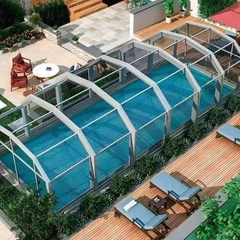

A glass window system is made up of several interconnected components that work together to provide daylight, ventilation, insulation, security, and protection against weather conditions. The main components include glass, frames, hardware, seals, spacers, drainage structures, and installation materials. Each part has a specific function, and the final performance of a window depends on how well these components are designed and combined.
For B2B buyers, contractors, architects, developers, and distributors, understanding window components is essential because a window is not simply a piece of glass placed inside an aluminum frame. Two windows with similar appearances can have very different performance levels because of differences in internal structures, material selection, manufacturing accuracy, and assembly methods.
A reliable window system is created when every component works as part of one engineered solution.
How Is a Glass Window System Structured?
A modern glass window system can be understood as several layers working together.
The visible parts are usually the glass and frame, but many important performance factors come from components that are less noticeable, including gaskets, spacers, drainage channels, and hardware mechanisms.
A typical high-performance window system contains:
Glass units that control light, heat, safety, and sound.
Frame profiles that support the glass and connect the window to the building structure.
Hardware components that allow opening, closing, locking, and adjustment.
Sealing systems that prevent air leakage and water penetration.
Spacer and insulation elements that improve thermal performance.
Installation components that ensure the window performs correctly after being installed.
Each component influences the others. Improving one part without considering the whole system may not create better overall performance.
Why Is Glass the Most Important Visible Component of a Window?
Glass is the largest visible area of most windows and directly affects transparency, daylight, energy efficiency, and safety.
Modern glass windows often use more advanced glazing systems than traditional single glass because buildings require better thermal and acoustic performance.
Common glass configurations include:
| Glass Type | Main Function | Common Applications |
|---|---|---|
| Single Glass | Basic transparency and daylight | Interior partitions, simple applications |
| Tempered Glass | Improved strength and safety | Doors, commercial areas, safety-sensitive locations |
| Laminated Glass | Better safety and sound control | High-end buildings, security applications |
| Double Glazing | Improved insulation through multiple layers | Residential and commercial projects |
| Low-E Glass | Controls heat transfer while maintaining daylight | Energy-efficient buildings |
The choice of glass depends on the project environment.
For example, a hotel near a busy road may prioritize laminated glass for noise reduction, while an office building in a hot climate may focus on solar control glass to reduce cooling demand.
Glass selection should always consider factors such as climate, building orientation, safety requirements, and local regulations.
How Do Window Frames Support the Entire System?
The frame is the structural foundation of a glass window system.
Its main purpose is not only to hold the glass but also to transfer loads, support hardware, maintain sealing pressure, and connect the window to the building structure.
Common frame materials include aluminum, thermal break aluminum, uPVC, wood, and composite materials.
Among these options, aluminum is widely used in commercial and architectural projects because it combines strength, durability, and design flexibility.
However, standard aluminum has high thermal conductivity. For projects requiring better insulation, thermal break aluminum systems are often used. These systems include an insulating barrier between the interior and exterior aluminum sections to reduce heat transfer.
A well-designed frame system must balance:
Structural strength for supporting glass weight and wind pressure.
Thermal performance for reducing unwanted heat transfer.
Design requirements for achieving the desired architectural appearance.
Durability for long-term exposure to weather conditions.
This is why frame quality cannot be judged only by profile thickness. The internal structure, alloy quality, insulation design, and manufacturing precision are equally important.
What Role Does Hardware Play in a Glass Window System?
Hardware is the mechanical system that allows windows to operate.
Although hardware is often less visible than glass and frames, it has a major influence on daily performance and service life.
Window hardware includes:
Handles that control opening and locking functions.
Hinges that support moving sashes on casement and folding windows.
Rollers that allow sliding windows to move smoothly.
Locking mechanisms that improve security and sealing performance.
Adjustment components that help maintain proper alignment over time.
The hardware selection should match the window design and expected usage.
For example, a residential window may have moderate opening frequency, while a hotel, school, or commercial building may require hardware designed for much more frequent operation.
A common mistake among buyers is focusing heavily on glass and frame specifications while overlooking hardware quality. However, poor hardware can reduce the performance of an otherwise well-designed window system.
How Do Sealing Components Protect Window Performance?
Sealing systems are responsible for controlling air, water, dust, and noise movement through the window.
A window cannot achieve good performance only through glass and frames. Small gaps between moving parts must be controlled through carefully designed sealing components.
Common sealing materials include:
| Sealing Component | Function |
|---|---|
| EPDM Gasket | Creates flexible sealing between glass and frame |
| Weather Strip | Reduces air and water infiltration between moving parts |
| Silicone Sealant | Provides additional protection at joints and connections |
The quality and design of sealing systems directly affect:
Air tightness.
Water resistance.
Acoustic performance.
Long-term durability.
Seals must also handle temperature changes because window materials expand and contract during seasonal variations.
For buildings located in coastal areas, extreme climates, or high-rise environments, sealing design becomes even more important because windows experience stronger weather pressure.
Why Are Spacers Important in Insulated Glass Units?
The spacer is a small but critical component inside insulated glass units.
It separates multiple glass panels and maintains the correct distance between them.
Many buyers focus on glass thickness but overlook the spacer, even though it influences the thermal performance of the entire glazing unit.
A quality spacer helps:
Maintain the correct gap between glass layers.
Reduce heat transfer around the glass edge.
Support insulation performance.
Improve the durability of the sealed glass unit.
Traditional metal spacers can transfer more heat, while advanced warm-edge spacer systems are designed to reduce edge heat loss.
This hidden component is an example of why window performance depends on more than visible materials.
How Does the Drainage System Work Inside a Window?
A professional window system does not simply try to block all water. Instead, it manages water movement through controlled drainage.
During heavy rain, small amounts of water may enter the outer part of a window system. Proper drainage channels guide this water away before it reaches the interior.
A drainage system usually includes:
Water collection areas inside the frame.
Drainage paths that direct water outward.
Exterior openings that allow water to escape.
This design principle is especially important in regions with heavy rainfall, coastal weather, or strong winds.
Poor drainage design can lead to water accumulation, seal damage, and long-term maintenance problems.
Why Does Installation Become Part of the Window System?
Even a well-designed window can fail if installation is not handled correctly.
Installation connects the manufactured window system with the building structure.
The installation process affects:
Frame alignment.
Sealing between window and wall.
Structural stability.
Water and air protection.
For international projects, installation requirements should be considered before production because different markets may have different construction methods, wall structures, and regulations.
This is why experienced suppliers often provide technical guidance during the design and preparation stages rather than only delivering finished products.
How Do Different Components Work Together in Real Projects?
The performance of a window system comes from the relationship between components.
For example, consider a coastal villa project.
The buyer may require:
A corrosion-resistant aluminum frame because of salt exposure.
Laminated or insulated glass because of safety and comfort requirements.
Strong sealing systems because of wind-driven rain.
Reliable hardware because windows may be opened frequently.
No single component solves the challenge. The complete system must be designed around the project environment.
The same principle applies to commercial buildings.
A hotel may need durable hardware because of frequent guest use, while an office building may prioritize daylight control and energy performance.
What Should B2B Buyers Check When Evaluating Window Components?
When purchasing windows for projects, buyers should evaluate the complete system rather than comparing individual specifications.
A practical evaluation process includes:
Checking whether the glass specification matches the climate and building purpose.
Understanding the frame structure and material performance.
Confirming hardware quality and replacement availability.
Reviewing sealing and drainage design.
Evaluating manufacturing consistency and installation support.
A supplier that can explain how these components work together usually demonstrates stronger technical capability than a supplier that only provides product images and prices.
For companies requiring customized solutions, working with an experienced OEM window manufacturer can provide better support in system design, material matching, and project coordination.
Frequently Asked Questions About Glass Window Components
1.Which component affects window performance the most?
There is no single component that determines window performance because a window works as an integrated system. Glass influences insulation, daylight, and safety, while frames affect strength and thermal performance. Hardware, seals, spacers, and installation also play important roles. A high-performance glass unit inside a poorly designed frame may not deliver expected results. Professional buyers evaluate how all components work together rather than focusing on one specification.
2.Why are window seals important if the glass is waterproof?
Glass itself may resist water, but water usually enters through gaps, joints, or connections rather than through the glass surface. Sealing systems prevent unwanted air and water movement around the glass and frame. High-quality gaskets, sealants, and correct installation methods are necessary to maintain long-term weather resistance.
3.Are thicker window frames always better?
A thicker frame does not automatically mean better performance. Frame design, material quality, internal structure, thermal break technology, and manufacturing accuracy all influence results. In some projects, a slim but well-engineered aluminum system may perform better than a thicker frame with poor design. Buyers should evaluate the complete system rather than relying only on visible thickness.
4.Why do two windows with the same glass have different prices?
Price differences often come from hidden components and manufacturing processes. Two windows may use similar glass but differ in frame quality, hardware brand, sealing systems, production accuracy, surface treatment, and quality control. These differences can affect durability, operation, and long-term maintenance costs.
5.What should importers ask a window manufacturer before ordering?
Importers should ask about material specifications, production capability, customization options, quality control procedures, packaging methods, and technical support. Understanding how the manufacturer manages the complete window system is more valuable than comparing only the final quotation. A reliable supplier should be able to explain why specific components are selected for different project requirements.
A Complete Window System Depends on Every Component Working Together
A glass window system is not defined by glass alone. The frame provides structure, hardware enables movement, seals protect against weather, spacers improve insulation, drainage controls water, and installation determines whether the system performs correctly in the building.
For B2B buyers, understanding these components creates a stronger foundation for evaluating suppliers and comparing products. The most suitable window solution is not always the one with the most expensive materials, but the one where every component is properly designed for the project's environment and long-term requirements.