

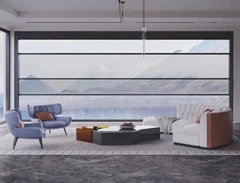
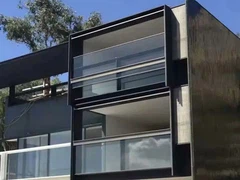

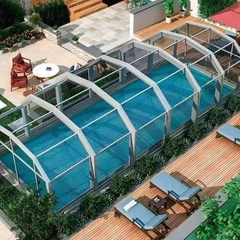

Glass windows come in different types, structures and designs, and each option provides different levels of insulation, safety, privacy and visual performance. Choosing the right glass type is important because it can affect building comfort, energy efficiency and long-term use.
The most common types include single glass windows, double glazed windows, triple glazed windows, Low-E glass windows, tempered glass windows, laminated glass windows, tinted glass windows and frosted glass windows.
In this guide, we will explain the different types of glass windows, their structures, key features, advantages and limitations to help you better understand the differences between each glass option.
1. Single Glass Windows
Product Explanation
Single glass windows are the simplest type of window glazing system, consisting of only one piece of glass installed into a window frame.
Structure: Single Glass Panel + Window Frame
Because there is only one glass layer, the system has a simple structure without an insulating cavity between glass layers. Single glass windows are mainly designed to provide basic functions such as natural lighting, visibility and separation between indoor and outdoor spaces.
The performance of single glass windows mainly depends on factors such as glass thickness, glass type and frame system. Compared with insulated glass solutions, single glazing has fewer components, making it easier to manufacture and install.
Advantages
1. Lower Cos
Single glass windows require fewer materials and simpler processing, making them one of the most economical glazing solutions.
2. Simple Structure
The basic design makes production, installation and maintenance relatively straightforward.
3. Lightweight System
Compared with double or triple glazing, single glass windows have lower weight requirements for frames and hardware.
4. Easy Customization
Glass thickness, size and frame materials can be easily customized according to project requirements.
Disadvantages
1. Limited Thermal Insulation
With only one glass layer, heat transfer between indoor and outdoor environments is higher compared with insulated glass systems.
2. Weak Sound Reduction
Single glazing provides limited protection against external noise because there is no additional insulating layer.
3. Lower Energy Efficiency
The lack of an insulating cavity results in lower energy-saving performance compared with double or triple glazing.
4. Lower Indoor Comfort
Buildings using single glass windows may experience greater temperature changes near window areas.
Technical Selection Reference
| Parameter | Typical Information |
|---|---|
| Glass Layers | 1 layer |
| Common Glass Thickness | 4mm, 5mm, 6mm, 8mm |
| Insulation Performance | Basic |
| U-Value | Approximately 5.0–6.0 W/m²·K depending on glass type |
| Sound Reduction | Approximately 25–30 dB depending on configuration |
| Energy Efficiency | Low |
| Cost Level | Low |
| Custom Options | Glass thickness, size, frame material |
2. Double Glazed Windows
Product Explanation
Double glazed windows, also known as insulated glass units (IGUs), are one of the most widely used high-performance window solutions in modern buildings.
Structure: Glass + Spacer + Air/Gas Layer + Glass
The system consists of two glass panels separated by a spacer and sealed together to create an insulating cavity. This cavity is usually filled with air or inert gases such as argon to reduce heat transfer.
The final performance of double glazed windows depends on multiple factors, including glass thickness, cavity width, spacer material, gas filling, Low-E coating and the quality of the sealing system.
Advantages
1. Better Thermal Insulation
The sealed cavity between two glass layers reduces heat transfer and improves the overall insulation performance of the window.
2. Improved Sound Reduction
The double-layer structure helps reduce external noise transmission compared with single glazing.
3. Better Energy Efficiency
Double glazing can help reduce heating and cooling loads by improving the thermal performance of the building envelope.
4. Improved Indoor Comfort
The improved insulation helps create more stable indoor temperatures and reduces uncomfortable hot or cold areas near windows.
5. Flexible Performance Options
Double glazed units can be combined with Low-E coatings, different glass thicknesses and gas filling options for customized performance.
Disadvantages
1. Higher Initial Investment
The additional glass layer, spacer and sealing process increase manufacturing and purchasing costs.
2. Heavier Window Structure
The increased weight requires suitable frames, hardware and professional installation.
3. Higher Production Requirements
The sealing quality of insulated glass units directly affects long-term durability and performance.
4. More Difficult Replacement
If the sealed glass unit fails, the complete insulated glass panel usually needs to be replaced.
Technical Selection Reference
| Parameter | Typical Information |
|---|---|
| Glass Layers | 2 layers |
| Common Configuration | 5mm + 12A + 5mm |
| Air Gap Width | 6mm–20mm |
| Gas Filling | Air / Argon |
| U-Value | Approximately 1.1–2.8 W/m²·K |
| Sound Reduction | Approximately 30–40 dB |
| Energy Efficiency | Medium to High |
| Common Upgrade | Low-E coating |
3. Triple Glazed Windows
Product Explanation
Triple glazed windows are an advanced insulated glass solution that uses three glass panels and two separate insulating cavities to improve window performance.
Structure: Glass + Spacer + Air/Gas Layer + Glass + Spacer + Air/Gas Layer + Glass
Compared with double glazed windows, triple glazing adds an additional glass layer and insulating space. This creates a more complex glazing system that reduces heat transfer and improves overall insulation performance.
The performance of triple glazed windows depends on the combination of glass thickness, cavity width, gas filling, spacer system, Low-E coating and the quality of the window frame. Although triple glazing provides higher performance, it also increases the weight and cost of the window system.
Advantages
1. Excellent Thermal Insulation
The additional glass layer and insulating cavity create more barriers to heat transfer, improving thermal performance compared with double glazing.
2. Higher Energy Efficiency
Triple glazing can reduce heat loss through windows and improve the overall energy efficiency of buildings.
3. Better Sound Reduction
The additional glass layer and air spaces help reduce external noise transmission, especially when combined with different glass thicknesses.
4. Improved Indoor Comfort
The higher insulation performance helps maintain more stable indoor temperatures and reduces temperature differences near windows.
Disadvantages
1. Higher Cost
Triple glazed windows require more glass, materials and processing steps, resulting in higher manufacturing costs.
2. Heavier Weight
The additional glass layer significantly increases the weight of the window system, requiring stronger frames and hardware.
3. More Complex Installation
The larger and heavier structure requires professional installation to ensure proper performance.
4. Limited Need In Some Projects
For buildings without high insulation requirements, the additional investment may not provide significant value compared with double glazing.
Technical Selection Reference
| Parameter | Typical Information |
|---|---|
| Glass Layers | 3 layers |
| Common Configuration | 5mm + 12A + 5mm + 12A + 5mm |
| Air Gap Width | 8mm–20mm per cavity |
| Gas Filling | Air / Argon |
| U-Value | Approximately 0.6–1.5 W/m²·K depending on configuration |
| Sound Reduction | Approximately 35–45 dB |
| Energy Efficiency | Very High |
| Cost Level | High |
| Common Upgrade | Triple glazing + Low-E coating |
4. Low-E Glass Windows
Product Explanation
Low-E glass windows use glass with a special low-emissivity coating designed to control heat transfer while maintaining natural daylight transmission.
Structure: Low-E Coated Glass + Spacer + Glass (Usually Combined with IGU Systems)
The Low-E coating is a very thin metallic layer applied to the glass surface. It works by reflecting infrared radiation and reducing unwanted heat transfer through the window.
Low-E glass is usually not used alone. It is commonly combined with double glazed or triple glazed systems to improve energy efficiency. Different coating types provide different levels of solar heat control, so the correct selection depends on building location, climate conditions and performance requirements.
Advantages
1. Improved Energy Efficiency
Low-E coating helps reduce heat loss during colder seasons and control solar heat gain during warmer seasons.
2. Better Solar Control
The coating reduces the amount of unwanted solar radiation entering the building while maintaining natural lighting.
3. UV Protection
Low-E glass can reduce ultraviolet transmission, helping protect indoor furniture, flooring and decorative materials.
4. Maintains Natural Light
Unlike some traditional shading solutions, Low-E glass allows daylight to enter while improving thermal performance.
Disadvantages
1. Higher Cost
The additional coating process increases the manufacturing cost compared with standard clear glass.
2. Requires Professional Selection
Different Low-E coatings have different performance characteristics, and incorrect selection may reduce effectiveness.
3. Sensitive Manufacturing Process
The coating quality and glass processing technology affect long-term performance.
4. Usually Requires Combination With Other Glass Systems
Low-E coating alone does not replace insulated glass structures and is often combined with double or triple glazing.
Technical Selection Reference
| Parameter | Typical Information |
|---|---|
| Glass Type | Low-E coated glass |
| Coating Type | Hard coat / Soft coat |
| Visible Light Transmission | Approximately 40%–80% depending on glass selection |
| SHGC (Solar Heat Gain Coefficient) | Approximately 0.2–0.7 depending on coating |
| U-Value | Approximately 1.0–1.8 W/m²·K when combined with IGU |
| UV Reduction | Higher than standard clear glass |
| Energy Efficiency | High |
| Common Combination | Low-E + Double/Triple Glazing |
5. Tempered Glass Windows
Product Explanation
Tempered glass windows use safety glass that has been strengthened through a controlled heating and rapid cooling process.
Structure: Heat-Treated Safety Glass + Window Frame
During production, the glass is heated to a high temperature and then rapidly cooled. This process creates internal stress within the glass, improving its mechanical strength and resistance to thermal changes.
One of the most important characteristics of tempered glass is its breakage pattern. When damaged, tempered glass usually breaks into small granular pieces instead of large sharp fragments, reducing the risk of serious injury.
Advantages
1. Higher Safety Performance
Tempered glass reduces the risk of large sharp glass fragments when breakage occurs.
2. Improved Strength
It provides better resistance to impact and thermal stress compared with ordinary glass.
3. Suitable For Large Glass Areas
The increased strength makes it suitable for larger glass panels and architectural applications.
4. Better Heat Resistance
Tempered glass performs better under temperature changes compared with standard glass.
Disadvantages
1. Cannot Be Modified After Tempering
Once tempered, the glass cannot be cut, drilled or reshaped.
2. Requires Accurate Manufacturing
All dimensions, holes and processing requirements must be confirmed before production.
3. Requires Full Replacement After Damage
If tempered glass breaks, the entire panel usually needs replacement.
Technical Selection Reference
| Parameter | Typical Information |
|---|---|
| Glass Type | Heat-treated safety glass |
| Common Thickness | 4mm, 5mm, 6mm, 8mm, 10mm, 12mm |
| Strength | Approximately 3–5 times stronger than annealed glass |
| Safety Level | High |
| Thermal Resistance | Higher than standard glass |
| Processing | Must be completed before tempering |
| Cost Level | Medium |
6. Laminated Glass Windows
Product Explanation
Laminated glass windows are made by bonding two or more glass layers together with an internal interlayer, usually PVB (Polyvinyl Butyral).
Structure: Glass + Interlayer + Glass
The interlayer remains attached between the glass layers even after breakage, helping maintain the overall structure of the glass. This makes laminated glass different from tempered glass, which mainly improves strength and breakage safety.
Laminated glass can also be combined with other technologies, such as Low-E coatings or insulated glass systems, to achieve additional energy efficiency and performance benefits.
Advantages
1. Excellent Safety Protection
The interlayer helps hold broken glass together and reduces the risk of falling glass.
2. Better Security Performance
The bonded structure makes penetration more difficult compared with standard glass.
3. Improved Sound Reduction
The interlayer helps absorb vibration and reduce certain types of external noise.
4. Flexible Combination Options
Laminated glass can be combined with tempered glass or Low-E glass for enhanced performance.
Disadvantages
1. Higher Cost
The additional interlayer and manufacturing process increase production costs.
2. Heavier Structure
Multiple glass layers increase the weight of the window system.
3. More Complex Production
The bonding process requires higher manufacturing control.
Technical Selection Reference
| Parameter | Typical Information |
|---|---|
| Glass Structure | Glass + PVB/Interlayer + Glass |
| Common Configuration | 5mm + 0.76mm PVB + 5mm |
| Interlayer Thickness | 0.38mm, 0.76mm, 1.52mm |
| Safety Level | Very High |
| Sound Reduction | Approximately 35–45 dB depending on structure |
| Security Performance | High |
| Cost Level | High |
7. Tinted Glass Windows
Product Explanation
Tinted glass windows are produced by adding metal oxides or color additives into the glass during the manufacturing process, creating glass with different colors while maintaining basic transparency.
Structure: Colored Glass Panel + Window Frame
Common tinted glass colors include grey, bronze, blue and green. The color affects the amount of visible light transmission and solar radiation entering the building.
Unlike Low-E glass, tinted glass mainly controls sunlight through absorption and reflection rather than using a special energy-efficient coating. Therefore, it is often selected when appearance, glare reduction and solar control are important considerations.
Tinted glass can also be combined with other glass technologies, such as tempered processing, laminated structures or insulated glass units, to achieve additional safety and performance benefits.
Advantages
1. Reduces Solar Glare
Tinted glass reduces the amount of strong sunlight entering indoor spaces, helping create a more comfortable visual environment.
2. Provides Decorative Appearance
Different colors allow architects and designers to create specific building styles and exterior appearances.
3. Improves Privacy
The darker appearance of tinted glass can reduce visibility from outside, providing a certain level of privacy.
4. Helps Control Solar Radiation
The colored glass absorbs part of the solar energy, reducing direct sunlight penetration.
Disadvantages
1. Reduces Natural Light Transmission
Darker tinted glass can reduce the amount of daylight entering the building, which may affect indoor brightness.
2. Limited Thermal Performance
Compared with Low-E glass, tinted glass has less advanced heat transfer control because it does not use a low-emissivity coating.
3. Color Selection Affects Appearance
The final appearance may vary depending on glass size, lighting conditions and building design.
4. Higher Heat Absorption
Some tinted glass types absorb more solar heat, which may increase glass temperature under strong sunlight.
Technical Selection Reference
| Parameter | Typical Information |
|---|---|
| Glass Type | Body tinted glass |
| Common Colors | Grey, Bronze, Blue, Green |
| Common Thickness | 4mm–12mm |
| Visible Light Transmission | Approximately 20%–70% depending on color |
| Solar Control | Medium to High |
| Privacy Level | Medium |
| Energy Efficiency | Medium |
| Common Upgrade | Tempered / Laminated / IGU combination |
8. Frosted Glass Windows
Product Explanation
Frosted glass windows are glass products with a translucent surface created through acid etching, sandblasting or other surface treatment processes.
Structure: Frosted Glass Surface + Glass Panel + Window Frame
The special surface treatment changes the way light passes through the glass. It allows natural light to enter while reducing clear visibility through the glass, creating a balance between daylight and privacy.
Frosted glass is mainly designed for privacy and decorative purposes. It can also be combined with tempered glass or insulated glass structures when additional safety or thermal performance is required.
Advantages
1. Excellent Privacy Protection
The translucent surface reduces direct visibility while still allowing natural light transmission.
2. Maintains Natural Lighting
Compared with completely opaque materials, frosted glass allows soft light to pass through.
3. Decorative Appearance
Different textures and surface treatments can create various visual effects for interior and architectural design.
4. Flexible Processing Options
Frosted glass can be customized with different patterns, sizes, thicknesses and glass combinations.
Disadvantages
1. Limited Transparency
The privacy feature also means reduced visibility through the glass.
2. Not Mainly Designed For Insulation
Standard frosted glass does not significantly improve thermal performance unless combined with insulated glass structures.
3. Surface Maintenance Requirements
Certain textured or processed surfaces may require more attention during cleaning.
4. Limited Application Range
Frosted glass is mainly selected for privacy areas rather than large transparent facade applications.
Technical Selection Reference
| Parameter | Typical Information |
|---|---|
| Glass Type | Acid etched / Sandblasted glass |
| Common Thickness | 4mm–12mm |
| Visible Light Transmission | Approximately 50%–85% depending on treatment |
| Privacy Level | High |
| Thermal Insulation | Depends on glass structure |
| Decoration Level | High |
| Common Upgrade | Tempered / Laminated / IGU combination |
How To Choose The Right Glass Windows Based On Different Applications?
Different buildings have different requirements. Instead of choosing the most expensive glass option, buyers should select a suitable combination based on building function, climate conditions, safety requirements and budget.
| Application | Recommended Glass Solution | Recommended Configuration | Main Reason |
|---|---|---|---|
| Residential Buildings | Double Glazed + Low-E Glass | 5mm Low-E + 12A + 5mm IGU | Balance energy efficiency, comfort and cost |
| Commercial Buildings | Tempered + Double Glazed Glass | Tempered IGU system | Safety and daily performance requirements |
| High-rise Buildings | Laminated + Tempered Glass | Tempered laminated IGU | Higher safety and protection requirements |
| Luxury Villas | Large Low-E Glass Windows | Large size Low-E insulated glass | Better appearance and comfort |
| Energy-efficient Buildings | Triple Glazed + Low-E Glass | Triple IGU + Low-E coating | Higher insulation performance |
| Bathrooms & Private Areas | Frosted Glass | Frosted tempered glass | Privacy protection with natural light |
| Decorative Buildings | Tinted Glass | Colored tempered glass | Appearance and solar control |
| Noise-sensitive Areas | Laminated Double Glazing | Laminated + IGU system | Improved sound reduction |
Different types of glass windows are designed to meet different performance requirements. Single glass provides a simple solution, double and triple glazing improve insulation, Low-E glass enhances energy efficiency, tempered and laminated glass improve safety, while tinted and frosted glass provide better control over sunlight, appearance and privacy.
Understanding the characteristics of each glass type helps buyers, architects and builders make more informed decisions. By comparing the structure, performance and application requirements of different glass windows, it becomes easier to select the right solution for each project.
FAQ
1. What Are The Most Common Types Of Glass Windows?
The most common types include single glass windows, double glazed windows, triple glazed windows, Low-E glass windows, tempered glass windows, laminated glass windows, tinted glass windows and frosted glass windows.
2. Which Glass Window Is Best For Energy Efficiency?
Double glazed or triple glazed windows combined with Low-E glass are commonly used when higher energy efficiency is required. The final performance depends on glass configuration, frame system and installation quality.
3. What Is The Difference Between Tempered Glass And Laminated Glass?
Tempered glass improves strength and safety through heat treatment, while laminated glass uses an interlayer to keep glass together after breakage and provides additional security and sound control.
4. Are Triple Glazed Windows Always Better Than Double Glazed Windows?
Triple glazing provides higher insulation performance, but it also costs more and weighs more. The best choice depends on climate conditions, building requirements and project budget.
5. How Do I Choose A Reliable Glass Window Manufacturer?
Buyers should evaluate the manufacturer's customization capability, production quality control, technical support, material selection ability and experience in handling international projects.