

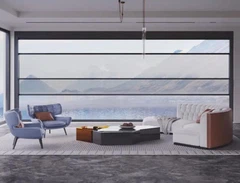


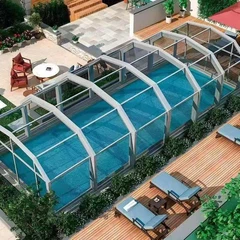

Glass windows have become one of the most widely used architectural elements in modern buildings because they provide daylight, visual openness, design flexibility, and improved indoor environments. However, glass windows also have limitations, including heat gain risks, maintenance requirements, higher costs for advanced systems, and performance challenges if they are poorly selected or installed.
For B2B buyers such as architects, contractors, developers, distributors, and project managers, understanding both the advantages and disadvantages of glass windows is essential before making purchasing decisions. A successful window selection is not about choosing the product with the most impressive appearance. It is about finding the right balance between aesthetics, performance, durability, and lifecycle cost.
Modern glass window technology has solved many problems associated with traditional glass. However, no window system is perfect for every building. The final decision should consider climate conditions, building purpose, maintenance expectations, and supplier capability.
What Are the Main Advantages of Glass Windows?
The popularity of glass windows comes from their ability to combine functional performance with architectural value. Modern glazing systems are designed not only to provide transparency but also to control light, heat, air, and sound.
The main advantages of glass windows include:
Better natural lighting.
Stronger visual connection between indoor and outdoor spaces.
Greater architectural design flexibility.
Improved energy performance with advanced glazing technology.
Better occupant comfort.
Increased building value and market appeal.
These advantages explain why glass windows are widely used in residential projects, commercial buildings, hotels, schools, hospitals, and large-scale developments.
How Do Glass Windows Improve Natural Lighting?
One of the biggest advantages of glass windows is their ability to bring natural daylight into buildings.
Compared with solid wall materials, glass allows sunlight to enter interior spaces and reduces dependence on artificial lighting during daytime hours.
This benefit is especially important in:
Office buildings where employees spend long periods indoors.
Schools where bright environments can support better learning conditions.
Hotels where daylight improves guest experience.
Residential buildings where natural light improves indoor atmosphere.
However, effective daylight design requires careful planning. A larger glass area does not always create a better result. Excessive direct sunlight may cause glare and overheating.
Professional projects usually combine glass selection, window orientation, shading design, and interior planning to achieve balanced daylight performance.
Why Do Architects Prefer Glass Windows for Modern Designs?
Glass windows have transformed architectural possibilities by allowing buildings to appear more open, transparent, and connected with their surroundings.
Modern architects use glass windows to create:
Large visual openings.
Clean building façades.
Better connections between interior and exterior spaces.
Flexible combinations with aluminum and other materials.
For example, a hotel may use large glass panels to create panoramic views. An office building may use curtain wall glazing to create a modern corporate appearance. A luxury residential project may combine large glass windows with slim aluminum frames to maximize views.
The design advantage of glass is not only visual. It can also influence how people experience a building.
How Do Glass Windows Improve Energy Efficiency?
Older glass windows often had poor insulation because single glass allowed significant heat transfer.
Modern glass window systems have improved through technologies such as:
Double and triple glazing.
Low-E coatings.
Thermal break aluminum frames.
Improved sealing systems.
These technologies help reduce unwanted heat movement between indoor and outdoor environments.
In cold climates, efficient windows can reduce heat loss.
In hot climates, solar-control glass can reduce excessive solar heat entering the building.
However, buyers should understand that energy performance depends on the entire system. High-performance glass combined with a poor frame or incorrect installation may not achieve expected results.
The best energy-efficient windows are designed as complete systems rather than individual upgraded components.
How Do Glass Windows Improve Indoor Comfort?
Indoor comfort depends on more than temperature. Lighting quality, noise levels, ventilation, and connection with the outside environment all influence how people experience a building.
Modern glass windows can improve comfort through:
Better daylight distribution.
Reduced outside noise with suitable glazing systems.
Improved temperature control.
Flexible ventilation options.
For example, a building near a busy road may require laminated or insulated glass to reduce sound transmission. A coastal hotel may need advanced glazing and frame systems to handle strong weather exposure.
The correct glass window solution depends on the actual environment where the building operates.
How Do Glass Windows Increase Building Value?
The appearance of a building can influence its commercial value.
Glass windows are often associated with modern architecture, premium design, and improved user experience.
For developers, attractive glazing systems can support:
More competitive building appearance.
Better market positioning.
Higher tenant or customer appeal.
Stronger architectural identity.
This is especially relevant for commercial properties such as office towers, shopping centers, hotels, and mixed-use developments.
However, visual appeal should always be balanced with practical performance. A beautiful façade that creates excessive energy costs or maintenance problems may reduce long-term value.
What Are the Main Disadvantages of Glass Windows?
Although glass windows provide many benefits, they also have certain limitations.
The main disadvantages include:
Higher heat gain risk without proper glass selection.
More frequent cleaning requirements.
Higher initial cost for advanced systems.
Potential privacy concerns.
Greater dependence on manufacturing and installation quality.
Understanding these disadvantages helps buyers make more realistic decisions.
Why Can Glass Windows Create Heat Problems?
One of the biggest challenges of glass windows is controlling solar heat.
Glass allows sunlight to enter buildings, but solar energy can increase indoor temperatures if the system is not properly designed.
This issue is especially important in:
Hot climate regions.
Buildings with large south-facing or west-facing glass areas.
Commercial buildings with extensive curtain walls.
The solution is not simply reducing the amount of glass. Instead, projects can use:
Low-E glass.
Solar-control coatings.
External shading systems.
Proper building orientation.
A well-designed glazing system can provide daylight while reducing unwanted heat gain.
Why Do Glass Windows Require More Maintenance?
Compared with some solid wall materials, glass surfaces require more regular cleaning to maintain appearance.
This is especially true for:
High-rise buildings.
Commercial façades.
Buildings located in dusty or polluted environments.
Maintenance requirements depend on:
| Factor | Maintenance Impact |
|---|---|
| Building location | Coastal and urban areas may require more cleaning |
| Glass size | Larger surfaces require more maintenance planning |
| Window design | Complex systems may require specialized service |
| Accessibility | High-rise cleaning requires additional equipment |
For commercial building owners, maintenance planning should be considered during the design stage.
Are Glass Windows More Expensive Than Other Window Options?
The cost of glass windows varies widely depending on specifications.
Basic glass windows may be affordable, while advanced systems with:
Insulated glass units.
Premium aluminum profiles.
Thermal break technology.
Specialized hardware.
Custom designs.
may require higher initial investment.
However, comparing only purchase price can lead to poor decisions.
For B2B projects, lifecycle cost is often more important.
A higher-quality window may reduce:
Energy expenses.
Maintenance frequency.
Replacement costs.
Customer complaints.
The most economical choice is not always the cheapest product. It is the solution that provides suitable performance throughout the building's service life.
Do Glass Windows Have Privacy and Security Problems?
Glass windows create transparency, which is one of their biggest advantages but can also become a limitation.
In some applications, privacy may be a concern.
Examples include:
Residential bedrooms.
Healthcare facilities.
Office meeting rooms.
Ground-floor commercial spaces.
Solutions may include:
Frosted glass.
Laminated safety glass.
Smart glass technologies.
Interior shading systems.
Security is another consideration. Different projects may require stronger glass solutions depending on building function and risk level.
How Does Installation Affect the Performance of Glass Windows?
A major disadvantage of poorly managed glass window projects is that performance can be reduced by installation problems.
Even a high-quality window system may experience issues if installation is incorrect.
Common installation problems include:
Poor frame alignment.
Inadequate sealing.
Incorrect drainage connection.
Improper hardware adjustment.
For international projects, installation requirements should be considered early because building methods and standards vary between markets.
This is why experienced manufacturers often provide technical support during project preparation, not only during production.
Advantages and Disadvantages of Different Glass Window Types
Different window styles have different strengths and limitations.
| Window Type | Main Advantages | Main Disadvantages |
|---|---|---|
| Sliding Windows | Space-saving operation, practical design | Sealing performance depends heavily on system quality |
| Casement Windows | Strong ventilation and sealing potential | Requires opening space |
| Fixed Windows | Excellent daylight and views | No ventilation function |
| Folding Windows | Creates large openings between spaces | More complex hardware and maintenance |
| Tilt and Turn Windows | Flexible ventilation and easy cleaning | Higher hardware complexity |
The best choice depends on the building application rather than personal preference.
A villa, office building, school, and hotel may require completely different window solutions.
What Should B2B Buyers Consider Before Choosing Glass Windows?
Professional buyers should evaluate both advantages and disadvantages before selecting a system.
A practical decision process includes:
Understanding the project environment.
Climate, building location, and exposure conditions influence glass and frame selection.
Defining performance requirements.
Energy efficiency, ventilation, safety, and acoustic needs should be clarified before ordering.
Evaluating supplier capability.
Manufacturing consistency, customization ability, quality control, and technical support directly affect project success.
Considering lifecycle value.
Initial price should be compared with long-term operating and maintenance costs.
For companies requiring customized solutions, working with an experienced OEM window manufacturer can help develop systems that match different project requirements.
Frequently Asked Questions About Glass Window Advantages and Disadvantages
Glass windows and traditional wall materials serve different purposes. Walls provide structure, insulation, and privacy, while glass windows provide daylight, views, and ventilation possibilities. Modern buildings usually combine both rather than replacing one with the other. The best design uses glass strategically where transparency and natural light create value while maintaining energy and comfort requirements.
Glass windows can increase indoor heat if unsuitable products are selected or if building design does not consider solar exposure. However, modern glazing technologies such as Low-E coatings, insulated glass, and solar-control solutions help manage heat gain. Proper design is essential, especially in hot climates or buildings with large glass façades.
Expensive glass windows are not always necessary, but higher-quality systems often provide better durability, energy performance, and reliability. For commercial projects, the decision should be based on lifecycle cost rather than initial purchase price. A suitable high-performance system can reduce future operating and maintenance expenses.
The biggest disadvantage is that glass requires careful engineering to balance transparency with thermal control, privacy, and maintenance needs. Without proper design, large glass areas may create heat gain, glare, or higher cleaning requirements. These challenges can usually be managed through correct glass selection, frame systems, and installation methods.
Buyers can reduce potential problems by selecting the correct window system for the project environment. This includes choosing suitable glass types, evaluating frame performance, working with experienced manufacturers, and ensuring professional installation. Good planning during the design stage prevents many common issues.
Choosing Glass Windows Requires Balancing Benefits and Limitations
Glass windows have become essential elements in modern architecture because they provide advantages that few other materials can offer. They improve daylight, support modern design, enhance comfort, and contribute to better building performance.
At the same time, glass windows are not a universal solution without limitations. Heat control, maintenance, privacy, cost, and installation quality must all be considered.
For B2B buyers, the best approach is to evaluate glass windows as complete building systems. The right combination of glass, frames, hardware, sealing, and manufacturing quality can maximize the advantages while reducing potential disadvantages throughout the building's lifecycle.