

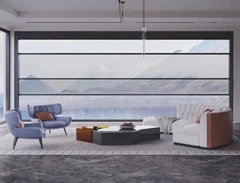


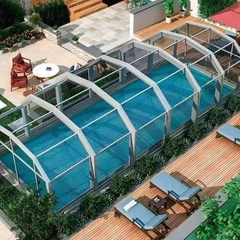

Installing glass windows in buildings provides benefits that go far beyond appearance. Modern glass window systems improve natural lighting, support energy efficiency, enhance architectural design, increase occupant comfort, and create more flexible building environments. With improvements in glazing technology, frame engineering, and installation methods, glass windows have evolved from simple openings for daylight into important components of modern building performance.Understanding the manufacturing process of glass windows helps B2B buyers evaluate supplier reliability.
For B2B buyers such as architects, contractors, developers, distributors, and project managers, selecting glass windows is a strategic decision rather than a purely aesthetic choice. The right window system can influence construction quality, operating costs, maintenance requirements, and the long-term value of a building.
However, the benefits of glass windows depend on choosing the correct system. A large glass area without suitable glass specifications, frame design, or installation quality may create problems instead of advantages. Professional projects focus on matching window performance with the building's actual requirements.
Why Are Glass Windows Widely Installed in Modern Buildings?
Glass windows are widely used because they solve several architectural and functional challenges at the same time.
Buildings need natural light, ventilation, weather protection, energy control, and visual connection with the outside environment. Traditional wall materials can provide insulation and strength, but they cannot offer transparency and daylight access.
Modern glass windows create a balance between openness and protection.
The main benefits include:
Improved natural lighting and reduced dependence on artificial lighting.
Better connection between indoor and outdoor environments.
Enhanced architectural appearance and design flexibility.
Improved thermal and acoustic performance through advanced glazing.
Increased building value through modern design and functionality.
The key difference between traditional and modern glass windows is that today's systems are designed as complete building components rather than simple transparent openings.
How Do Glass Windows Improve Natural Lighting?
One of the most important benefits of glass windows is their ability to introduce natural daylight into buildings.
Natural lighting creates brighter interior spaces and can improve the overall experience of occupants. In commercial buildings, daylight is especially valuable because employees, visitors, and customers often spend many hours indoors.
Office buildings, schools, hotels, and public facilities commonly use glass windows to maximize daylight while maintaining indoor comfort.
For example, an office project with properly designed glazing can reduce the need for artificial lighting during daytime hours. A hotel can use large glass areas to create brighter guest rooms and public spaces. A residential development can improve indoor atmosphere by increasing access to outdoor views.
However, effective daylight design requires more than installing larger windows.
The amount of useful daylight depends on:
Window orientation and building location.
Glass transparency and coating technology.
Window size and placement.
Interior layout and shading design.
A well-designed glazing system provides natural light without creating excessive glare or overheating.
Can Glass Windows Help Reduce Energy Costs?
Modern glass windows can contribute to better energy efficiency when the correct specifications are selected.
Older single-glazed windows often allowed significant heat transfer, causing buildings to lose heat in winter and gain excessive solar energy in summer.
Today's high-performance window systems improve thermal control through technologies such as:
Double or triple glazing, which creates insulating spaces between glass layers.
Low-E coatings, which control infrared heat transfer.
Thermal break aluminum frames, which reduce heat conduction.
Advanced sealing systems, which minimize air leakage.
In colder climates, efficient windows help maintain indoor temperatures by reducing heat loss. In warmer climates, solar-control glass can reduce cooling demand by limiting unwanted solar heat gain.
For developers and building owners, this means the value of glass windows should be evaluated through lifecycle costs rather than only the initial purchase price.
A lower-cost window may appear attractive during construction but create higher operating expenses if it performs poorly over many years.
How Do Glass Windows Improve Building Appearance?
Glass windows have become a defining feature of modern architecture because they provide visual openness and design flexibility.To understand the broader industry drivers behind this trend, explore more about the popularity of glass windows in modern architecture.
Architects use glass to create:
Clean and contemporary building façades.
Strong visual connections between indoor and outdoor spaces.
More attractive commercial environments.
Flexible combinations with other building materials.
Glass can make buildings appear lighter and more open. This is especially valuable in commercial projects where appearance influences customer perception and market positioning.
For example, shopping centers often use glass façades to create visibility between retail areas and surrounding spaces. Office buildings use curtain wall glazing to create professional architectural identities. Luxury residential projects often combine large glass windows with aluminum systems to maximize views.
The important point is that appearance should work together with performance. A successful glass design is not only visually impressive but also comfortable and practical.
Why Do Glass Windows Improve Occupant Comfort?
Occupant comfort is another major reason why modern buildings use advanced glass windows.
Comfort depends on several factors:
Stable indoor temperatures.
Reduced glare.
Better daylight quality.
Lower outside noise.
Proper ventilation.
Modern glazing technologies help control these factors.
For buildings located near busy roads, airports, or urban areas, laminated or insulated glass systems can help reduce noise transmission.
For buildings in hot climates, solar-control glazing can reduce uncomfortable heat near windows.
For residential projects, well-designed windows can improve natural ventilation and create more pleasant living spaces.
The important consideration is that different buildings have different comfort requirements. A hospital, school, hotel, and office building may require different glass specifications.
How Do Glass Windows Support Sustainable Building Design?
Sustainable architecture focuses on reducing energy consumption while improving building performance.
Glass windows can support sustainable design when they are properly selected and integrated into the building envelope.
Their sustainability benefits include:
Increasing daylight availability and reducing artificial lighting demand.
Improving insulation through advanced glazing systems.
Supporting passive solar design strategies.
Providing long service life with durable materials.
However, sustainability does not mean using the largest possible amount of glass.
A common mistake is assuming that more glass automatically creates a better building. In reality, excessive glazing without proper design can increase cooling requirements and create comfort problems.
Successful sustainable glazing strategies consider:
| Factor | Why It Matters |
|---|---|
| Climate | Determines insulation and solar control requirements |
| Building orientation | Affects sunlight exposure |
| Glass specification | Influences heat and light transmission |
| Frame system | Controls structural and thermal performance |
| Installation quality | Determines actual performance |
This is why professional projects evaluate windows as part of the entire building system.
What Are the Benefits of Glass Windows for Commercial Buildings?
Commercial buildings often receive significant value from installing glass windows because they support both operational needs and architectural goals.
Different commercial projects use glass windows for different reasons.
| Building Type | Main Benefits of Glass Windows |
|---|---|
| Office Buildings | Daylight, workplace comfort, modern appearance |
| Hotels | Views, guest experience, attractive public spaces |
| Retail Buildings | Visibility, customer attraction, open design |
| Schools | Bright learning environments and ventilation |
| Healthcare Buildings | Natural light and comfortable indoor spaces |
For commercial developers, windows also influence the market value of a building.
A well-designed façade can improve the perception of quality and help a property stand out in competitive markets.
At the same time, commercial buyers should consider maintenance requirements because large-scale buildings require reliable systems that can perform consistently over many years.
How Do Glass Windows Increase Design Flexibility?
Another important advantage of glass windows is their flexibility in architectural design.
Modern window systems can be customized according to:
Building style.
Required dimensions.
Glass performance requirements.
Frame colors and finishes.
Opening methods.
This flexibility allows architects to create different visual effects while maintaining technical performance.
For example, a villa project may require large folding glass systems to connect indoor spaces with gardens or terraces. A commercial building may need fixed glazing combined with operable windows for ventilation.
The same material can support very different architectural goals when the system is properly engineered.
What Should Buyers Consider Before Installing Glass Windows?
Although glass windows provide many advantages, choosing the wrong system can reduce these benefits.
Professional buyers should evaluate several factors before purchasing.
1. Does the Window Match the Project Environment?
Climate conditions have a major influence on window selection.
Coastal buildings may need corrosion-resistant aluminum systems.
Cold-climate projects may require stronger thermal insulation.
High-rise buildings may require systems designed for stronger wind pressure.
2. Are the Glass and Frame Properly Matched?
A high-performance glass unit cannot achieve its full potential if the frame system or sealing design is unsuitable.
The complete window system should be evaluated together.
3. Can the Supplier Support Long-Term Requirements?
For international buyers, supplier capability matters as much as product specifications.
A reliable manufacturer should provide technical communication, customization support, quality consistency, and production reliability.
Companies looking for customized project solutions can explore OEM window manufacturing services to understand how manufacturers support different building requirements.
Why Is Installation Quality Important for Glass Window Benefits?
Even the best glass window system can underperform if installation is poor.
Installation affects:
Air tightness.
Water resistance.
Structural stability.
Long-term operation.
Common installation problems include incorrect alignment, insufficient sealing, and poor connection between the window frame and building structure.
For large projects, installation planning should begin before production because window dimensions, building openings, and construction methods must work together.
This is especially important for contractors and developers managing complex projects where replacement after installation can be expensive and disruptive.
Frequently Asked Questions About Glass Window Benefits
Glass windows can be used in almost all building types, but the specific system should match the project requirements. Residential buildings may prioritize appearance and ventilation, while commercial projects may focus on energy performance, durability, and façade design. The best window solution depends on climate, building function, maintenance expectations, and budget.
Modern glass windows can improve energy efficiency when they use suitable glazing technology and frame systems. Features such as Low-E glass, insulated glazing, thermal break aluminum frames, and proper sealing help reduce unwanted heat transfer. However, performance depends on the complete system design rather than one individual component.
Architects often choose large glass windows because they provide daylight, views, and architectural flexibility. Large glazing areas can make spaces feel more open and improve connections between indoor and outdoor environments. However, large glass installations require careful planning to control heat, glare, structural requirements, and maintenance.
The cost of glass windows depends on materials, size, specifications, and performance requirements. Advanced systems may have higher initial costs, but they can provide better long-term value through improved energy performance, durability, and reduced maintenance. Buyers should compare lifecycle costs rather than only upfront prices.
Buyers should evaluate supplier experience, manufacturing capability, customization options, quality control, and technical support. A reliable supplier should understand how different components work together and provide solutions based on project requirements rather than simply selling standard products.
Glass Windows Provide More Than Transparency
The benefits of installing glass windows go far beyond creating a modern appearance. They improve daylight, support energy efficiency, enhance comfort, increase design flexibility, and contribute to better building performance.
For B2B buyers, the most important decision is not simply choosing glass windows but selecting the right glass window system for the project environment.
When glass, frames, hardware, sealing, and installation are properly integrated, windows become valuable building components that improve both immediate user experience and long-term project value.