

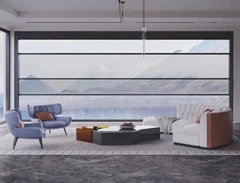
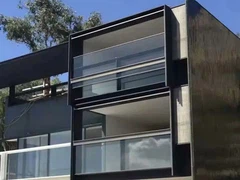

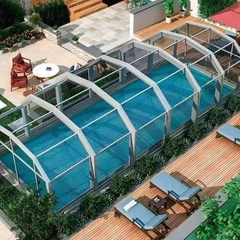

Glass windows are popular in modern buildings because they combine natural light, architectural flexibility, energy performance, visual openness, and functional benefits that traditional wall materials cannot provide. From office towers and hotels to residential developments and commercial complexes, glass has become one of the most important materials shaping contemporary architecture.
However, modern buildings do not use glass windows simply because they look attractive. The popularity of glass windows comes from decades of technological development in glazing, frame systems, and building engineering. Today's high-performance glass windows can control heat transfer, improve indoor comfort, reduce energy consumption, and support different architectural requirements.
For B2B buyers such as architects, contractors, developers, and building material distributors, understanding why glass windows are widely used helps them make better decisions when selecting window systems for different projects. The right glass solution depends on climate, building purpose, design goals, and long-term performance expectations.
Why Do Architects Prefer Glass Windows in Modern Buildings?
One of the main reasons architects choose glass windows is their ability to connect indoor spaces with the outside environment.
Traditional buildings often relied on solid walls with limited openings because construction technology restricted the size and strength of windows. Modern engineering allows buildings to use larger glass areas while maintaining structural safety and performance.
Glass windows provide architects with several design possibilities:
They create visual connections between interior spaces and surrounding landscapes.
They allow more natural daylight to enter buildings.
They create a sense of openness in otherwise enclosed environments.
They support modern façade designs with cleaner and lighter appearances.
For commercial buildings, appearance can also influence how customers, employees, and visitors perceive a space. A hotel lobby with large glass walls creates a different experience from a traditional enclosed entrance. An office building with carefully designed glazing can provide better views and a more open working environment.
However, successful architectural glass design is not about using as much glass as possible. The challenge is creating the right balance between transparency, comfort, and energy performance.
How Do Glass Windows Improve Natural Lighting?
Natural lighting is one of the strongest advantages of glass windows.
Buildings with properly designed glass windows can reduce dependence on artificial lighting during daytime hours. This is especially valuable in offices, schools, hotels, and commercial buildings where people spend many hours indoors.
The amount of daylight entering a building depends on several factors:
Glass transparency and coating technology.
Window size and orientation.
Building design and surrounding environment.
Interior layout.
Modern glazing systems allow architects to control daylight rather than simply increase it.
For example, Low-E glass can maintain visible light transmission while reducing unwanted solar heat. This allows buildings to receive daylight without creating excessive indoor temperatures.
For office projects, this balance is important because too much direct sunlight may create glare problems, while insufficient daylight can reduce indoor comfort.
Why Are Glass Windows Important for Modern Building Design?
Glass windows have changed the way buildings interact with their surroundings.
Modern architecture often focuses on openness, flexibility, and connection. Glass helps achieve these goals by creating a visual relationship between interior and exterior spaces.
This is particularly valuable in:
| Building Type | Why Glass Windows Are Used |
|---|---|
| Office Buildings | Improve daylight, views, and workplace environment |
| Hotels | Create attractive entrances, guest areas, and panoramic views |
| Shopping Centers | Enhance visibility and customer experience |
| Residential Buildings | Increase natural light and modern appearance |
| Educational Buildings | Support brighter learning environments |
For developers, glass façades can also become part of a building's identity. A distinctive glass exterior can help commercial properties stand out in competitive markets.
The important consideration is that design value must be supported by technical performance. A visually impressive glass façade still needs appropriate insulation, safety, and weather resistance.
How Do Modern Glass Windows Improve Energy Efficiency?
Many people associate large glass areas with poor energy efficiency because older glass windows often allowed significant heat transfer.
Modern glass windows are different.
Advancements in glazing technology have transformed windows from weak points in building envelopes into high-performance components.
Modern energy-efficient window systems improve performance through:
Multiple layers of glass that create insulating spaces.
Low-E coatings that control infrared heat transfer.
Thermal break aluminum frames that reduce heat conduction.
Advanced sealing systems that limit air leakage.
The result is better control of indoor temperatures.
In cold climates, efficient windows help reduce heat loss. In hot climates, they help reduce solar heat gain and cooling demand.
The key point for buyers is that not all glass windows provide the same energy performance. A large glass surface with unsuitable specifications may increase energy costs, while a properly engineered glazing system can support building efficiency.
Why Are Glass Windows Widely Used in Commercial Buildings?
Commercial buildings require materials that provide both performance and visual appeal, which is why glass windows have become common in offices, hotels, retail spaces, and mixed-use developments.
Commercial projects often prioritize:
Daylight for occupant comfort.
Professional architectural appearance.
Long-term durability.
Easy maintenance.
Flexible design options.
For example, a modern office building may combine large fixed glass areas with operable windows to provide both daylight and ventilation.
A hotel may use floor-to-ceiling glazing to create views and improve guest experience.
A shopping center may use transparent façades to increase visibility between indoor retail spaces and outdoor areas.
Each project uses glass differently because the purpose of the building determines the window requirements.
How Do Glass Windows Support Sustainable Architecture?
Sustainability has become a major factor in modern building design, and glass windows play an important role when properly specified.
The environmental value of glass windows comes from their ability to:
Increase natural daylight and reduce artificial lighting demand.
Improve thermal performance through advanced glazing technologies.
Support passive design strategies.
Provide long service life when manufactured with durable materials.
However, sustainability is not achieved by simply adding more glass.
A poorly designed glass façade may create problems such as excessive heat gain, glare, and higher cooling requirements.
Successful sustainable design considers:
Building location and climate.
Solar exposure.
Glass performance.
Shading systems.
Frame insulation.
Installation quality.
This is why architects and engineers usually evaluate glass windows as part of the entire building envelope rather than as isolated products.
What Makes Modern Glass Windows Different From Traditional Windows?
The popularity of glass windows today is closely connected with improvements in manufacturing and engineering.
Traditional windows were often limited by:
Small glass sizes.
Weak insulation.
Basic frame materials.
Limited sealing technology.
Modern systems have introduced:
| Development | Impact on Window Performance |
|---|---|
| Insulated Glass Units | Improve thermal and acoustic performance |
| Low-E Coatings | Control solar heat and energy transfer |
| Thermal Break Frames | Reduce heat conduction through aluminum |
| Advanced Hardware | Improve operation and security |
| Precision Manufacturing | Increase consistency and reliability |
These improvements allow glass windows to meet the demands of modern buildings while maintaining the visual advantages that made glass popular in the first place.
Why Do Developers Choose Glass Windows for Large Projects?
For developers, window selection affects not only building appearance but also project value, operating costs, and customer expectations.
Modern buyers and tenants often expect:
Bright interior environments.
Attractive architectural designs.
Comfortable indoor conditions.
Good energy performance.
Glass windows can help achieve these expectations when the correct system is selected.
However, developers should consider lifecycle costs rather than only initial purchase prices.
A cheaper window system may reduce upfront investment but create higher maintenance costs, energy expenses, or replacement issues later.
A better approach is evaluating the complete value of the window system, including manufacturing quality, installation requirements, durability, and supplier support.
How Should B2B Buyers Evaluate Glass Window Suppliers?
The popularity of glass windows has created many suppliers in the market, but not all manufacturers provide the same level of engineering capability.
Professional buyers should evaluate suppliers based on:
Manufacturing experience and production capability.
Ability to customize glass, frame, and hardware combinations.
Quality control processes.
Understanding of different market requirements.
Technical support during project development.
For contractors and distributors, a reliable supplier should provide more than finished products. They should understand how window systems perform in real construction environments.
Working with an experienced OEM window manufacturer can help buyers develop solutions that match specific project requirements, regional standards, and customer expectations.
What Are the Common Mistakes When Using Glass Windows in Buildings?
Although glass windows offer many advantages, incorrect selection can create problems.
One common mistake is choosing glass based only on appearance.
A beautiful glass façade may perform poorly if the glazing specification does not match the local climate.
Another mistake is ignoring installation quality.
Even a high-performance window system can lose efficiency if installation creates gaps, poor sealing, or drainage problems.
A third mistake is selecting a supplier without considering long-term cooperation.
For international buyers, reliable production, communication, replacement support, and technical assistance can become important throughout the project lifecycle.
The best results come from treating windows as engineered building systems rather than simple construction materials.
Frequently Asked Questions About Glass Windows in Modern Buildings
Glass windows are widely used because they provide a combination of daylight, visual connection, design flexibility, and improved performance through modern technology. They allow architects to create open and attractive spaces while maintaining better control over insulation, solar heat, and weather protection. The popularity of glass comes from the development of advanced glazing systems that solve many of the problems associated with older glass windows.
Modern glass windows can be energy efficient when they are properly designed and specified. Features such as insulated glass units, Low-E coatings, thermal break frames, and quality sealing systems help reduce heat transfer. However, energy performance depends on the complete window system and building design. The wrong glass specification or poor installation can reduce efficiency.
Commercial buildings use large glass façades because they provide architectural appeal, natural daylight, and strong visual connections between indoor and outdoor spaces. Offices, hotels, and retail buildings often use glass to create modern appearances and improve user experiences. However, large façades require careful engineering to control heat, glare, and energy performance.
Glass windows can be used in many climates, but the specifications must be adjusted according to environmental conditions. Cold regions may require stronger insulation, while hot climates may need solar-control glazing. Coastal areas may require corrosion-resistant frame systems. The best window solution depends on local conditions rather than a universal design.
Developers should evaluate design goals, energy requirements, maintenance expectations, supplier capability, and lifecycle costs. The cheapest option may not provide the best long-term value. A well-designed glass window system should support the building's purpose, climate conditions, and expected service life.
Glass Windows Remain a Key Element of Modern Architecture
Glass windows have become popular in modern buildings because they successfully combine design, functionality, and technological innovation. They bring natural light into buildings, create stronger connections with the environment, and support advanced energy performance when properly engineered.
For B2B buyers, the important question is not whether glass windows are popular, but how to select the right glass window system for each project.
The most successful building projects use glass strategically. They combine the right glass, frame system, hardware, and installation approach to achieve the desired balance between appearance, comfort, durability, and long-term value.