

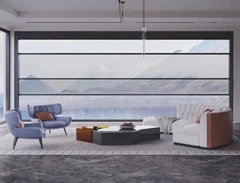
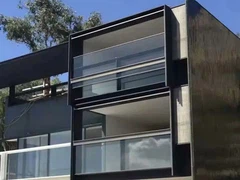

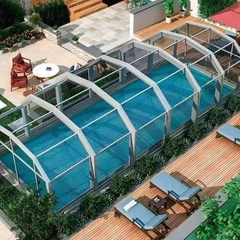
Hey there! As a folding window supplier, I often get asked if folding windows are energy-efficient. Well, let's dive right into it and break down the ins and outs of folding windows when it comes to energy efficiency.
First off, what are folding windows? Folding windows are a type of window that can be folded back, much like accordion doors. They offer a great way to open up a space, allowing for a seamless transition between indoor and outdoor areas. You can check out our Folding Kitchen Window for a perfect example of how they can be used in a practical setting.
Now, let's talk about energy efficiency. One of the key factors in determining a window's energy efficiency is its insulation properties. Folding windows can be quite energy-efficient if they're made with the right materials. Modern folding windows often use high-quality glass, such as double or triple-pane glass. These types of glass have multiple layers separated by a gas, usually argon or krypton. This gas acts as an insulator, reducing the transfer of heat between the inside and outside of your home.
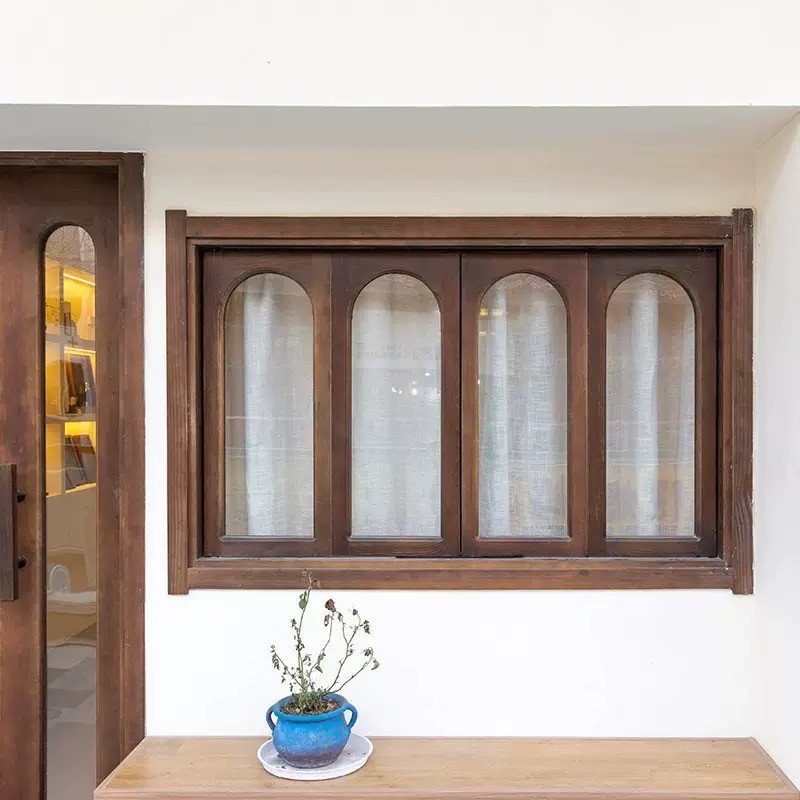
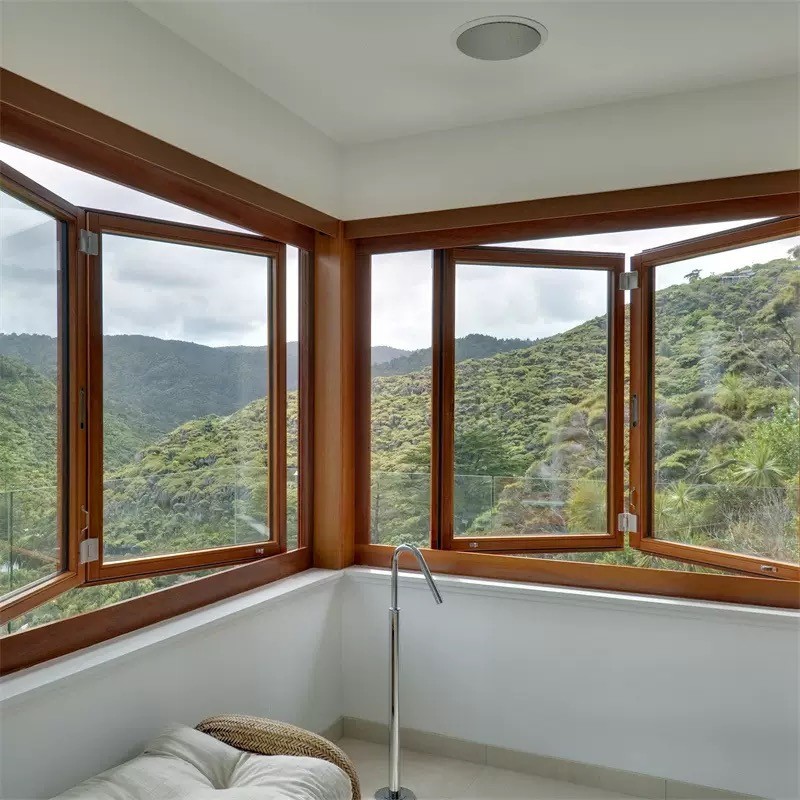
For instance, double-pane glass has two layers of glass with a layer of gas in between. This setup helps to keep the heat inside during the winter and outside during the summer. Triple-pane glass takes it a step further with three layers of glass and two layers of gas, providing even better insulation. Our Large Folding Windows are available with both double and triple-pane glass options, so you can choose the level of insulation that suits your needs.
Another aspect to consider is the frame material. The frame of a folding window plays a crucial role in its energy efficiency. Common frame materials include wood, vinyl, aluminum, and fiberglass.
Wood frames are a traditional choice and can provide good insulation. However, they require regular maintenance to prevent rot and decay. Vinyl frames are a popular option because they're affordable, easy to maintain, and have decent insulation properties. Aluminum frames are strong and durable, but they're also good conductors of heat. To improve their energy efficiency, many aluminum frames are now thermally broken, which means there's a barrier between the inside and outside parts of the frame to reduce heat transfer. Fiberglass frames are a newer option and offer excellent insulation, strength, and durability.
Our Folding Glass Exterior Windows come with a variety of frame material options, so you can select the one that best fits your energy efficiency goals and budget.
In addition to the glass and frame, the way the folding windows are installed also affects their energy efficiency. A proper installation is essential to ensure there are no gaps or air leaks around the windows. Air leaks can significantly reduce the energy efficiency of your windows, as warm or cool air can escape through these gaps. That's why it's important to hire a professional installer who has experience with folding windows.
Let's look at some of the benefits of energy-efficient folding windows. One of the most obvious benefits is lower energy bills. When your windows are better insulated, your heating and cooling systems don't have to work as hard to maintain a comfortable temperature in your home. This means you'll use less energy, which translates to cost savings over time.
Energy-efficient folding windows also contribute to a more comfortable living environment. They can reduce drafts and cold spots near the windows, making your home feel more evenly heated or cooled. Plus, they can help to reduce outside noise, creating a quieter and more peaceful indoor space.
Moreover, using energy-efficient windows is good for the environment. By reducing your energy consumption, you're also reducing your carbon footprint. This is an important step towards a more sustainable future.
Now, I know some of you might be thinking, "But folding windows have all those joints and folds. Won't that make them less energy-efficient?" Well, modern folding windows are designed with energy efficiency in mind. The joints and folds are sealed with weatherstripping to prevent air leaks. And as long as the windows are made with high-quality materials and installed correctly, they can be just as energy-efficient as other types of windows.
In conclusion, folding windows can be highly energy-efficient if you choose the right materials, frame, and installation. Whether you're looking to upgrade your kitchen with a Folding Kitchen Window, add some large, stylish windows to your living room with our Large Folding Windows, or enhance the exterior of your home with Folding Glass Exterior Windows, we've got you covered.
If you're interested in learning more about our folding windows or want to discuss your specific needs, don't hesitate to reach out. We're here to help you make the best choice for your home and energy efficiency goals. Let's work together to create a more comfortable, energy-efficient living space.
References
- "Energy-Efficient Windows: A Guide to Choosing the Right Ones." U.S. Department of Energy.
- "Window Frame Materials: Pros and Cons." This Old House.