




Are pocket glass doors energy - efficient? This is a question that many homeowners, architects, and designers often ask when considering different types of doors for their spaces. As a pocket glass door supplier, I've had the opportunity to delve deep into this topic and understand the various factors that contribute to the energy efficiency of pocket glass doors.
Understanding Pocket Glass Doors
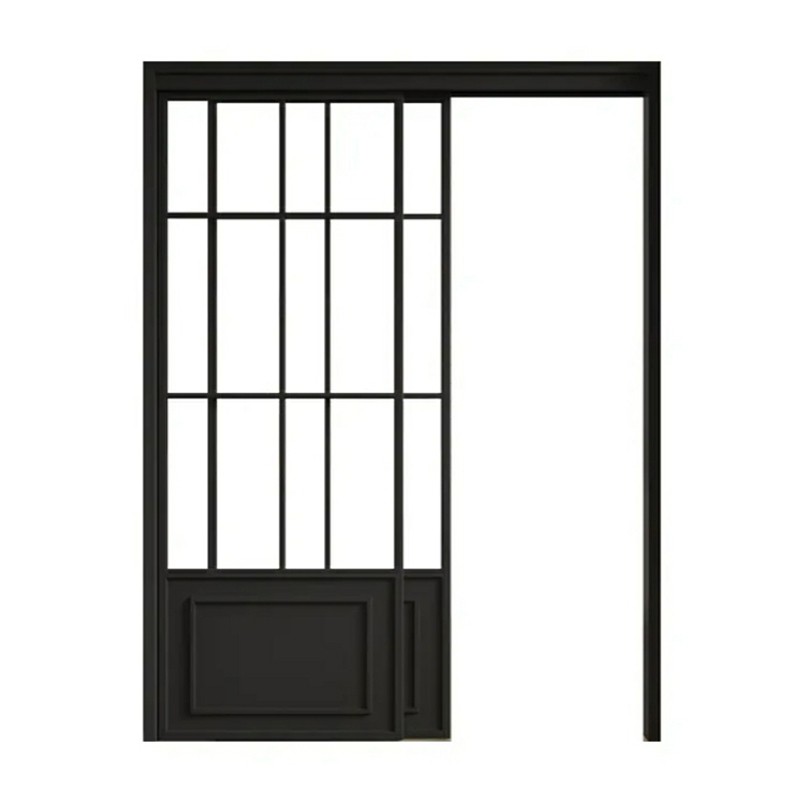
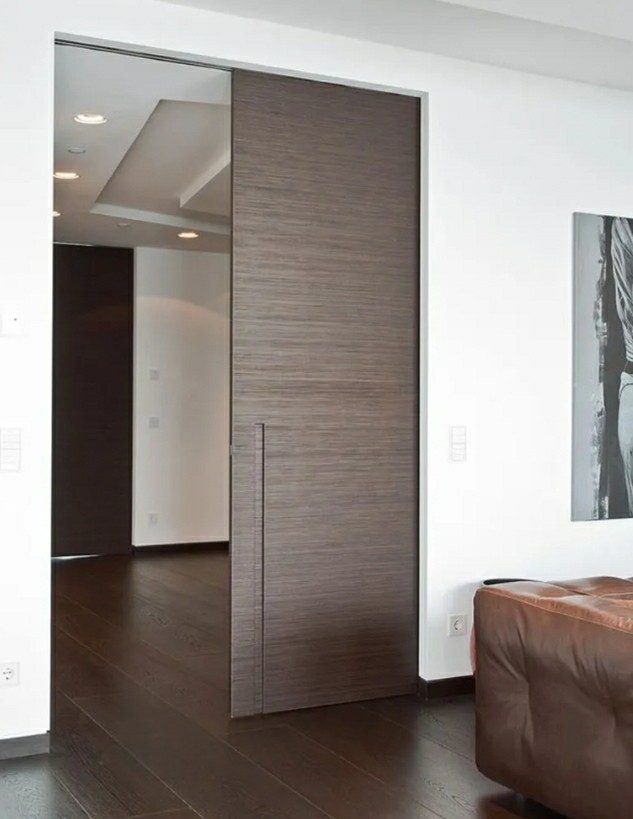
Pocket glass doors are a unique type of door that slides into a wall cavity when opened, saving valuable floor space. They consist of glass panels, which can be clear, frosted, or tinted, and a sliding mechanism. The glass used in these doors can vary in terms of thickness, quality, and coating, all of which play a role in their energy - efficiency.
Factors Affecting Energy Efficiency
Insulation Properties of Glass
The type of glass used in pocket glass doors is a crucial factor in determining their energy efficiency. Single - pane glass, for example, is not very energy - efficient as it offers little resistance to heat transfer. Heat can easily pass through the glass, leading to increased energy consumption for heating or cooling the space.
On the other hand, double - pane or triple - pane glass is much more energy - efficient. These types of glass have multiple layers separated by a gas, usually argon or krypton. The gas acts as an insulator, reducing the transfer of heat between the inside and outside of the building. For instance, a double - pane glass pocket door can significantly reduce heat loss in the winter and heat gain in the summer compared to a single - pane door.
When we talk about Frosted Glass Pocket Doors Interior, the frosting itself doesn't directly impact energy efficiency. However, if the frosted glass is part of a double or triple - pane system, it can benefit from the improved insulation properties of the multi - pane design.
Frame Material
The frame of the pocket glass door also affects its energy efficiency. Common frame materials include wood, aluminum, and vinyl. Wood frames have some natural insulating properties, but they may require regular maintenance to prevent rot and warping. Aluminum frames are strong and durable, but they are good conductors of heat, which can lead to heat transfer and reduce energy efficiency.
Vinyl frames, on the other hand, are an excellent choice for energy - efficient pocket glass doors. Vinyl is a poor conductor of heat, which means it helps to keep the heat inside during the winter and outside during the summer. Additionally, vinyl frames are low - maintenance and resistant to rot and corrosion.
Sealing
Proper sealing is essential for any door to be energy - efficient, and pocket glass doors are no exception. The seals around the edges of the glass panels and the door frame prevent air leakage. Air leakage can account for a significant amount of energy loss in a building. High - quality seals, such as weatherstripping and gaskets, can help to create an airtight seal, reducing the amount of heat or cold air that can escape or enter the space.
Benefits of Energy - Efficient Pocket Glass Doors
Reduced Energy Costs
One of the most significant benefits of energy - efficient pocket glass doors is the potential for reduced energy costs. By reducing heat transfer and air leakage, these doors can help to lower the amount of energy needed to heat or cool a space. This translates into lower utility bills for homeowners and businesses.
Improved Comfort
Energy - efficient pocket glass doors also contribute to improved comfort inside the building. They help to maintain a more consistent temperature, reducing drafts and hot or cold spots. This means that occupants can enjoy a more comfortable living or working environment throughout the year.
Environmental Impact
Using energy - efficient pocket glass doors is also beneficial for the environment. By reducing energy consumption, we can lower our carbon footprint and contribute to a more sustainable future. This is especially important as we strive to reduce our reliance on fossil fuels and combat climate change.
Applications of Pocket Glass Doors
Residential Use
In residential settings, pocket glass doors are a popular choice for bathrooms, bedrooms, and closets. Glass Pocket Door Bathroom can add a touch of elegance and modernity to the space while also being energy - efficient. They can help to keep the bathroom warm in the winter and cool in the summer, improving the overall comfort of the home.
Commercial Use
In commercial buildings, pocket glass doors can be used in offices, conference rooms, and retail spaces. The energy - efficient properties of these doors can help businesses to reduce their operating costs. Additionally, the sleek and modern appearance of pocket glass doors can enhance the aesthetic appeal of the commercial space.
Comparing Pocket Glass Doors to Other Door Types
Swing Doors
Swing doors are a traditional type of door that opens by swinging on hinges. While they can be energy - efficient if properly installed and sealed, they often take up more floor space than pocket glass doors. Pocket glass doors, with their space - saving design, can be a better choice for smaller spaces where floor space is limited.
Sliding Patio Doors
Sliding patio doors are similar to pocket glass doors in that they slide open. However, pocket glass doors are designed to slide into a wall cavity, providing a more seamless and space - efficient solution. In terms of energy efficiency, both types of doors can be made to be highly efficient, depending on the glass and frame materials used.
Case Studies
Let's look at a few case studies to illustrate the energy - saving potential of pocket glass doors. In a small residential bathroom, replacing a single - pane swing door with a double - pane vinyl - framed pocket glass door resulted in a 15% reduction in heating costs during the winter months. The improved insulation and airtight seal of the pocket glass door helped to keep the heat inside the bathroom.
In a commercial office building, the installation of energy - efficient pocket glass doors in conference rooms led to a 10% reduction in overall energy consumption. The consistent temperature inside the conference rooms also improved the comfort of employees and clients, leading to increased productivity.
Conclusion
In conclusion, pocket glass doors can be highly energy - efficient if they are designed and installed correctly. The choice of glass, frame material, and sealing all play a crucial role in determining their energy - efficiency. By using double - pane or triple - pane glass, vinyl frames, and high - quality seals, we can create pocket glass doors that offer significant energy savings, improved comfort, and a reduced environmental impact.
If you're interested in learning more about our energy - efficient pocket glass doors or would like to discuss a potential project, we invite you to reach out to us. We're here to provide you with the best solutions for your needs. Whether you're a homeowner looking to upgrade your bathroom or a commercial developer working on a large - scale project, we have the expertise and products to meet your requirements. Let's start a conversation about how our Pocket Door System Atio Doors That Slide Into Wall can enhance your space while saving energy.
References
- "Energy - Efficient Windows and Doors," U.S. Department of Energy.
- "The Impact of Door Sealing on Energy Consumption," Journal of Building Science.
- "Comparative Study of Different Door Types for Energy Efficiency," International Journal of Sustainable Building Design.