

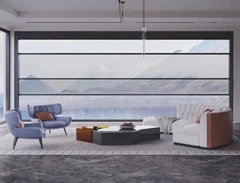
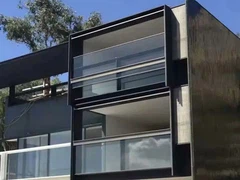
As a supplier of Vertical Lift Windows, I've often been asked about their energy efficiency. In this blog post, I'll delve into the scientific aspects of vertical lift windows and explore whether they truly live up to the claim of being energy - efficient.
How Vertical Lift Windows Work
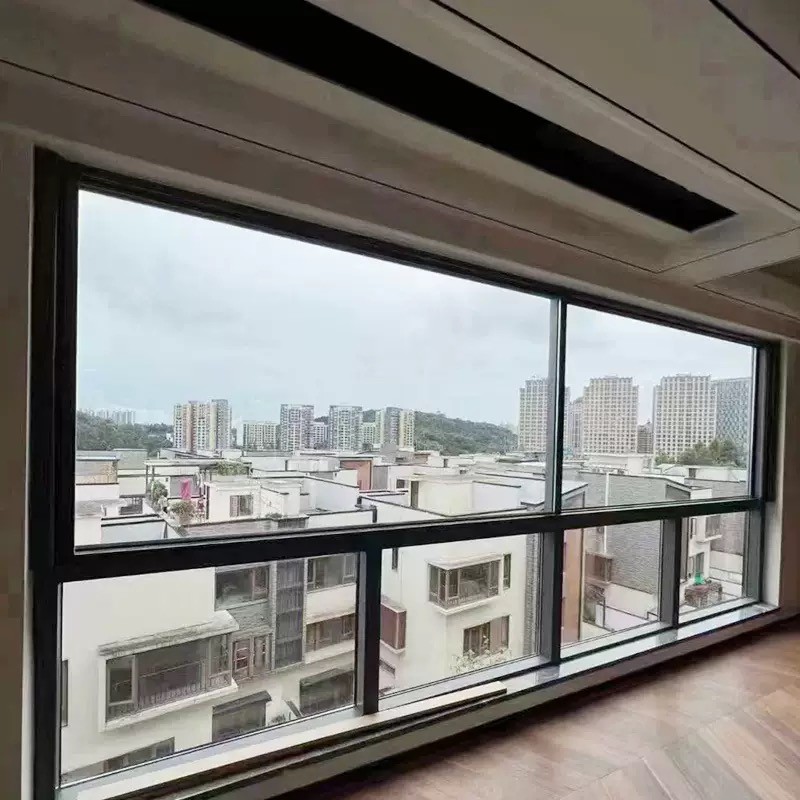
Vertical lift windows, as the name suggests, operate by moving vertically. They are designed to slide up and down within a frame, providing a smooth and convenient way to open and close the window. This design is different from traditional casement windows, which swing open on hinges, or sliding windows that move horizontally. The vertical movement is facilitated by a well - engineered system of tracks and pulleys. You can learn more about Vertical Lift Windows on our website.
The Role of Insulation in Energy Efficiency
One of the key factors in determining a window's energy efficiency is its insulation properties. Good insulation helps to prevent heat transfer between the inside and outside of a building. Vertical lift windows can be highly insulated, depending on the materials used in their construction.
Frame Materials
The frame of a vertical lift window plays a crucial role in insulation. Common frame materials include vinyl, wood, and aluminum. Vinyl frames are known for their excellent insulation properties. They have low thermal conductivity, which means they do not easily transfer heat. Wood frames also offer good insulation, as wood is a natural insulator. However, they require more maintenance to prevent rot and decay. Aluminum frames, on the other hand, are less insulating because aluminum is a good conductor of heat. But modern aluminum frames can be thermally broken, which involves adding a non - conductive material between the inner and outer parts of the frame to reduce heat transfer.
Glass Types
The type of glass used in vertical lift windows also affects energy efficiency. Single - pane glass is the least energy - efficient option, as it offers little resistance to heat transfer. Double - pane and triple - pane glass, on the other hand, are much better. Double - pane glass consists of two layers of glass separated by a sealed air or gas space. This space acts as an insulator, reducing heat transfer. Triple - pane glass has three layers of glass and two sealed spaces, providing even better insulation. Some advanced glass types also have low - emissivity (low - e) coatings. These coatings reflect infrared radiation, which helps to keep heat inside during the winter and outside during the summer.
Air Leakage and Energy Loss
Another important aspect of energy efficiency is air leakage. Even the most well - insulated window can be inefficient if there are gaps around the frame where air can leak in or out. Vertical lift windows are designed to fit tightly within their frames, which helps to minimize air leakage. High - quality vertical lift windows are often equipped with weatherstripping, which is a material that seals the gaps between the window sash and the frame. Weatherstripping can be made of rubber, foam, or other materials, and it helps to prevent drafts and reduce energy loss.
Energy Savings with Vertical Lift Windows
When compared to less energy - efficient window types, vertical lift windows can result in significant energy savings. In the winter, they help to keep the warm air inside the building, reducing the need for heating. In the summer, they prevent the hot outside air from entering, reducing the need for air conditioning. According to some studies, upgrading to energy - efficient windows can reduce a building's energy consumption for heating and cooling by up to 30%.
Case Studies
Let's take a look at a few case studies to illustrate the energy - saving potential of vertical lift windows. A residential building in a cold climate replaced its old single - pane casement windows with energy - efficient vertical lift windows. After the replacement, the homeowners noticed a significant reduction in their heating bills. The new windows kept the warm air inside, and they no longer felt drafts near the windows.
In a commercial building, the installation of double - pane vertical lift windows with low - e coatings led to a decrease in the building's overall energy consumption. The building manager reported that the air conditioning system did not have to work as hard to maintain a comfortable temperature, resulting in lower energy costs.
Comparing with Other Window Types
When comparing vertical lift windows with other window types in terms of energy efficiency, they often come out on top. Casement windows, while they can provide good ventilation, may not be as air - tight as vertical lift windows. Sliding windows, especially those with poor seals, can also have significant air leakage. Double Lift Out Slider Window is a variation of the vertical lift window that offers additional features and can be even more energy - efficient in some cases.

Challenges and Considerations
While vertical lift windows offer many energy - saving benefits, there are also some challenges and considerations. The initial cost of energy - efficient vertical lift windows can be higher than that of less efficient window types. However, the long - term energy savings can offset this initial investment. Additionally, proper installation is crucial for the energy efficiency of vertical lift windows. If they are not installed correctly, there may be air leakage and other issues that can reduce their performance.
The Future of Vertical Lift Windows and Energy Efficiency
As technology continues to advance, we can expect to see even more energy - efficient vertical lift windows in the future. New materials and designs will further improve insulation and reduce air leakage. For example, there may be advancements in glass technology that make it even more effective at blocking heat transfer. Additionally, smart window technologies may be integrated into vertical lift windows, allowing them to automatically adjust based on the temperature and sunlight conditions.
Conclusion
In conclusion, vertical lift windows can be highly energy - efficient when they are made with high - quality materials, have proper insulation, and are installed correctly. They offer significant energy savings by reducing heat transfer and air leakage. Whether you are a homeowner looking to reduce your energy bills or a commercial building owner aiming to improve the energy performance of your property, vertical lift windows are a great option.
If you are interested in learning more about our Vertical Lift Windows or would like to discuss a potential purchase, please feel free to reach out. We are more than happy to provide you with detailed information and assist you in finding the right windows for your needs.
References
- "Energy - Efficient Windows: A Guide for Homeowners," U.S. Department of Energy.
- "The Impact of Window Upgrades on Building Energy Consumption," Journal of Building Science.
- "Case Studies of Energy - Efficient Window Installations in Residential and Commercial Buildings," National Institute of Building Sciences.