

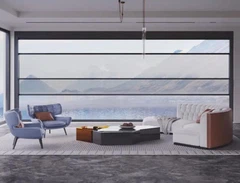


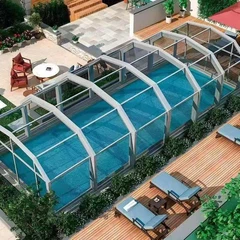
In the modern era, environmental friendliness has become a crucial factor in various industries, including the construction and window manufacturing sectors. As a supplier of Vertical Lift Windows, I often encounter the question: "Are vertical lift windows environmentally friendly?" In this blog post, I will delve into this topic, exploring the environmental aspects of vertical lift windows from multiple perspectives.
Energy Efficiency
One of the most significant environmental benefits of vertical lift windows lies in their energy - efficiency. These windows are designed to provide a tight seal when closed. The advanced sealing technology reduces air leakage, which is a major contributor to energy loss in buildings. According to the U.S. Department of Energy, air leakage through windows can account for up to 30% of a building's heating and cooling energy consumption. By minimizing air infiltration, vertical lift windows help to maintain a stable indoor temperature. This means that less energy is required to heat or cool the building, resulting in lower energy bills and reduced carbon emissions.
For instance, during the winter months, a well - sealed vertical lift window prevents warm air from escaping the building, while in the summer, it keeps cool air inside. The energy savings can be substantial over time, especially in regions with extreme climates. Many of our Space - Saving Modern Lifting Windows are equipped with high - performance glass that has a low emissivity (low - e) coating. This coating reflects infrared radiation, further enhancing the window's insulating properties. Low - e glass can significantly reduce the amount of heat transfer through the window, making it an energy - efficient choice for both residential and commercial buildings.
Material Selection
The choice of materials in the manufacturing of vertical lift windows also plays a vital role in their environmental impact. At our company, we are committed to using sustainable materials. Most of our vertical lift windows are made from materials such as aluminum and vinyl. Aluminum is a highly recyclable material. It can be recycled repeatedly without losing its quality, and the recycling process requires only a fraction of the energy needed to produce new aluminum. This makes aluminum an environmentally friendly option for window frames.
Vinyl, on the other hand, is known for its durability and low maintenance requirements. Modern vinyl window frames are made from polyvinyl chloride (PVC) that is formulated to be energy - efficient and long - lasting. PVC can also be recycled, although the recycling process for vinyl is more complex compared to aluminum. However, many manufacturers are investing in research and development to improve the recyclability of vinyl. Our Cordless Lifting Window models are available in both aluminum and vinyl frames, allowing customers to choose the material that best suits their environmental and aesthetic preferences.
Lifespan and Durability
Vertical lift windows are designed to have a long lifespan. Their robust construction and high - quality components ensure that they can withstand the test of time. A longer lifespan means fewer replacements, which is beneficial for the environment. When windows need to be replaced frequently, it leads to more waste generation. The production, transportation, and disposal of old windows all contribute to environmental degradation.
Our vertical lift windows are built with durability in mind. They are tested rigorously to ensure that they can resist weathering, corrosion, and wear and tear. For example, our Lift and Slide Windows feature smooth - operating mechanisms that are designed to last for many years. By choosing long - lasting vertical lift windows, customers can reduce their environmental footprint by minimizing the need for window replacements.
Reduced Noise Pollution
Another environmental aspect that is often overlooked is the role of vertical lift windows in reducing noise pollution. In urban areas, noise from traffic, construction, and other sources can be a significant problem. Vertical lift windows can act as a barrier to noise, creating a more peaceful and quiet indoor environment. This is achieved through their tight seals and the use of laminated glass in some models.
By reducing the need for artificial noise - reducing measures such as sound - proofing materials, vertical lift windows indirectly contribute to environmental protection. Fewer materials are used in the construction process, and less energy is consumed in the production and installation of these additional noise - reducing elements.
Water and Air Quality
Vertical lift windows can also have a positive impact on indoor air and water quality. Their tight seals prevent the entry of dust, pollen, and other outdoor pollutants into the building. This is especially important for people with allergies or respiratory problems. Additionally, the proper drainage systems in vertical lift windows prevent water from seeping into the building, which can lead to mold growth.
Mold can have a negative impact on indoor air quality and can cause health problems for occupants. By keeping the building dry and free from mold, vertical lift windows contribute to a healthier indoor environment. This, in turn, reduces the need for energy - consuming air - purification systems and other measures to maintain good indoor air quality.


Conclusion
In conclusion, vertical lift windows are indeed environmentally friendly. Their energy - efficiency, sustainable material selection, long lifespan, noise - reducing capabilities, and positive impact on indoor air and water quality all contribute to their environmental credentials. As a supplier of vertical lift windows, we are proud to offer products that not only meet the needs of our customers in terms of functionality and aesthetics but also help to protect the environment.
If you are interested in purchasing our vertical lift windows or have any questions about their environmental benefits, we encourage you to contact us for a procurement discussion. Our team of experts is ready to assist you in finding the perfect windows for your project.
References
- U.S. Department of Energy. (n.d.). Energy - efficient windows. Retrieved from relevant DOE website.
- Industry reports on window manufacturing and environmental impact.