





Hey there! As a supplier of Panoramic Sliding Doors, I often get asked if these doors have a good seal around the edges. It's a valid question, especially when you're looking to invest in a high - quality door for your home or business.
Let's first understand why a good edge seal is so important. A well - sealed panoramic sliding door can do wonders for your living or working space. It helps in keeping out the elements. During cold winters, it prevents the cold air from seeping in, which can save you a ton on your heating bills. On hot summer days, it keeps the cool air inside, making your air - conditioning more efficient.
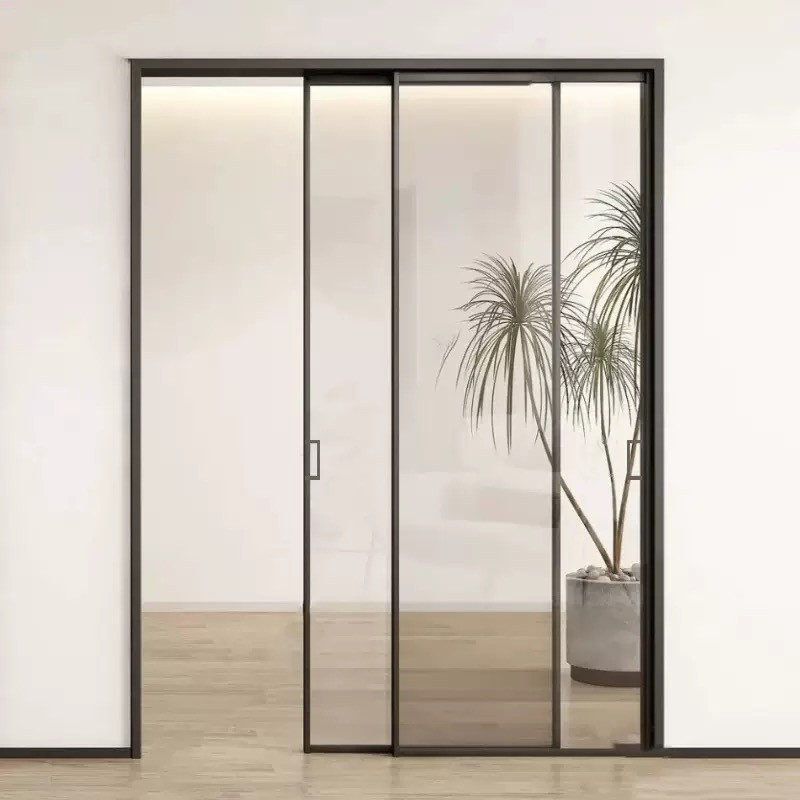
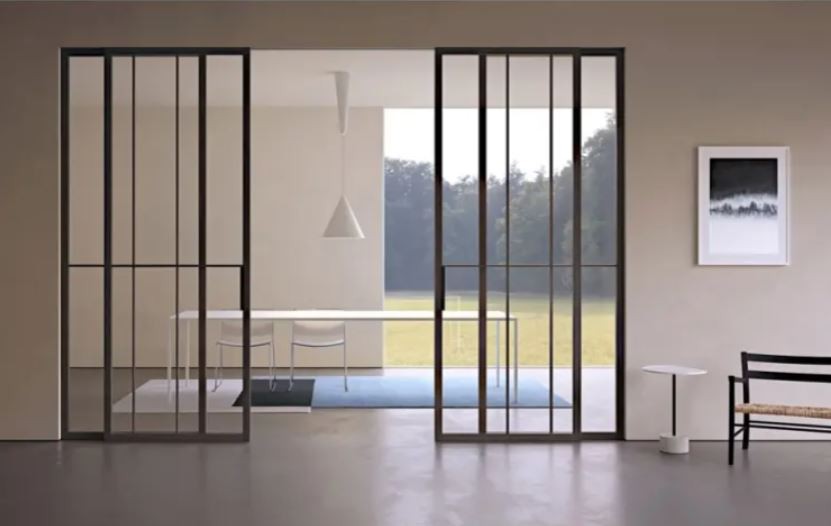
It also plays a crucial role in noise reduction. If you live near a busy street or a noisy area, a door with a tight seal can block out a significant amount of that external noise, creating a much quieter and more peaceful environment indoors. And let's not forget about security. A proper edge seal can make it more difficult for intruders to force open the door.
So, do panoramic sliding doors have a good seal around the edges? The answer is, it depends. There are a few factors that can affect the sealing performance of these doors.
Quality of Materials
The materials used in the construction of the door are a major determinant. High - end panoramic sliding doors usually use top - notch materials. For the frame, materials like aluminum or vinyl are common. Aluminum frames are strong, durable, and can be designed to have excellent sealing capabilities. They can be engineered with special channels and gaskets that fit snugly around the glass panels.
Vinyl frames, on the other hand, are known for their insulation properties. They can expand and contract with temperature changes, which helps in maintaining a good seal over time. The glass itself is also important. Double - or triple - glazed glass is often used in panoramic sliding doors. These multiple layers of glass are separated by a sealed air or gas space, and the edges of the glass are sealed with a special compound. This not only enhances insulation but also contributes to the overall edge seal of the door.
Design and Installation
The design of the door matters a lot. A well - designed panoramic sliding door will have a proper locking mechanism that presses the door firmly against the frame when closed. This creates a tight seal around the edges. Some doors come with adjustable gaskets. These gaskets can be adjusted to ensure a perfect fit and seal, even if the door or the frame experiences some minor shifting over time.
However, even the best - designed door won't have a good seal if it's not installed correctly. Professional installation is key. A skilled installer will make sure that the door is level, plumb, and properly aligned with the frame. They'll also ensure that all the gaskets are in place and properly compressed. If the installation is shoddy, there could be gaps around the edges, which will compromise the seal.
Maintenance
Regular maintenance is essential to keep the edge seal of your panoramic sliding door in top condition. Over time, the gaskets can wear out, get dirty, or become damaged. You can clean the gaskets with a mild soap and water solution to remove dirt and debris. If you notice any signs of wear or damage, you can replace the gaskets relatively easily.
Also, check the tracks regularly. If the tracks are dirty or damaged, the door may not slide smoothly or close properly, which can affect the seal. Cleaning the tracks with a vacuum cleaner or a brush and lubricating them with a silicone - based lubricant can help keep the door operating smoothly and maintain the seal.
Now, let's talk about some of the common misconceptions about the edge seal of panoramic sliding doors.
Some people think that just because the door looks airtight when it's closed, it has a perfect seal. But looks can be deceiving. There could be small gaps that are not visible to the naked eye but can still allow air and moisture to pass through. That's why it's important to have the door tested for air and water infiltration, especially if you're in an area with extreme weather conditions.
Another misconception is that all panoramic sliding doors are the same in terms of sealing. This is far from the truth. There's a wide range of quality levels in the market. Cheaper doors may not have the same level of sealing performance as more expensive, high - end models. So, it's important to do your research and choose a door from a reputable supplier.
At our company, we take the edge seal of our Panoramic Sliding Doors very seriously. We use only the highest - quality materials and state - of - the - art manufacturing processes to ensure that our doors have excellent sealing capabilities. Our doors are designed with precision and are installed by our team of experienced professionals.
We also offer a range of related products. If you're looking for a Sliding Screen Door to complement your panoramic sliding door, we've got you covered. These screen doors can add an extra layer of protection against insects while still allowing fresh air to flow into your space. And if you have a furry friend at home, our Sliding Door Doggy Door is a great option. It's designed to fit seamlessly with your sliding door and gives your dog easy access to the outdoors.
If you're in the market for a panoramic sliding door or any of our related products, I encourage you to reach out to us. We'd be happy to discuss your needs, answer any questions you may have, and provide you with a free quote. Investing in a high - quality door with a good edge seal is a decision you won't regret. It can improve the comfort, energy efficiency, and security of your space. So, don't hesitate to contact us and start your journey towards a better - sealed door.
References
- "Residential Window and Door Sealants: A Guide to Selection and Use" by the American Architectural Manufacturers Association.
- "Energy - Efficient Windows and Doors: How They Work" by the U.S. Department of Energy.