



In the realm of window solutions, the choice between flush double glazing and wood double glazing is a significant decision for homeowners and builders alike. As a supplier of flush double glazing, I've witnessed firsthand the diverse needs and preferences of customers. In this blog, I'll delve into a comprehensive comparison of these two types of double glazing, exploring their features, benefits, and drawbacks to help you make an informed choice.
Aesthetic Appeal
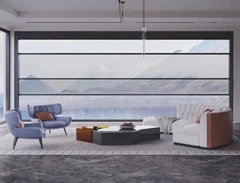
Flush double glazing offers a sleek and modern look that seamlessly integrates with contemporary architectural styles. Its clean lines and minimalist design create a sophisticated appearance, enhancing the overall curb appeal of a property. The flush profile gives the impression of a seamless glass surface, providing an unobstructed view of the outside world. This type of glazing is particularly popular in new - build homes and modern renovations where a contemporary aesthetic is desired.
On the other hand, wood double glazing exudes a warm and traditional charm. The natural grain of the wood adds a touch of elegance and character to any building. It is well - suited for period properties, cottages, and homes with a more rustic or classic design. Wood can be stained or painted to match the existing color scheme of the property, offering a high degree of customization in terms of appearance.
Energy Efficiency
Energy efficiency is a crucial factor when choosing double glazing. Flush double glazing typically uses advanced materials and technologies to provide excellent insulation. The frames are often made from uPVC or aluminum, which have low thermal conductivity. The double - glazed units consist of two panes of glass separated by a spacer filled with an insulating gas such as argon. This combination helps to reduce heat transfer, keeping the interior of the building warm in winter and cool in summer. As a result, homeowners can save on energy bills and contribute to a more sustainable environment.
Wood double glazing can also offer good energy efficiency, especially when properly installed and maintained. However, the performance may vary depending on the type of wood used and the quality of the glazing. Some woods are more thermally conductive than others, and over time, wood can warp or shrink, which may affect the seal of the double - glazed unit. To improve energy efficiency, wood frames can be insulated, and high - performance glazing can be used.
Durability and Maintenance
Flush double glazing, especially uPVC flush double glazing, is known for its durability. uPVC is resistant to rot, corrosion, and weathering, making it a long - lasting option. It requires minimal maintenance, usually just a simple wipe - down with a mild detergent and water to keep it looking clean. Aluminum flush double glazing is also highly durable, with a strong resistance to dents and scratches. It can withstand harsh weather conditions and is suitable for both residential and commercial applications.
Wood double glazing, while beautiful, requires more maintenance. Wood is susceptible to rot, insect damage, and warping if not properly cared for. Regular painting or staining is necessary to protect the wood from moisture and UV rays. Additionally, the seals around the double - glazed units may need to be checked and replaced periodically to ensure optimal performance. However, with proper maintenance, wood double glazing can last for many years and even increase in value over time.


Security
Security is a top concern for homeowners. Flush double glazing often comes with advanced locking systems and reinforced frames. uPVC and aluminum frames can be fitted with multi - point locking mechanisms, which provide a high level of security. The double - glazed glass is also more difficult to break than single - glazed glass, acting as a deterrent to potential intruders.
Wood double glazing can also be made secure with the right hardware. High - quality locks and hinges can be installed to prevent forced entry. However, wood may be more vulnerable to damage from tools such as crowbars compared to uPVC or aluminum. It's important to choose a reputable supplier and ensure that the wood double glazing meets relevant security standards.
Cost
The cost of flush double glazing and wood double glazing can vary depending on several factors, including the size of the windows, the type of materials used, and the level of customization. Generally, flush double glazing, especially uPVC, is more cost - effective than wood double glazing. uPVC is a relatively inexpensive material, and the manufacturing process is efficient, which helps to keep the costs down. Aluminum flush double glazing may be slightly more expensive than uPVC but still offers good value for money in terms of durability and performance.
Wood double glazing is typically more expensive due to the cost of the wood and the labor - intensive manufacturing process. The price can also increase if high - quality wood species or custom finishes are chosen. However, some homeowners are willing to pay the extra cost for the aesthetic appeal and traditional charm that wood provides.
Applications
Flush double glazing is suitable for a wide range of applications. It is commonly used in modern residential buildings, apartments, and commercial properties. Its sleek design makes it a popular choice for contemporary architecture. For example, in a modern office building, flush double glazing can provide a professional and stylish look while also offering energy efficiency and security. You can explore different options like Casement Egress Window and Energy - Smart Casement Windows which are part of the flush double glazing offerings.
Wood double glazing is often preferred for historical buildings, period homes, and luxury properties. It can help to preserve the character and authenticity of these buildings. In a Victorian - era house, wood double glazing can enhance the traditional aesthetic and provide a sense of continuity with the original architecture. If you are considering replacing existing windows, Replacing Casement Window can be a useful resource.
Conclusion
In conclusion, both flush double glazing and wood double glazing have their own unique advantages and disadvantages. Flush double glazing offers a modern aesthetic, excellent energy efficiency, low maintenance, and cost - effectiveness, making it a great choice for many homeowners and builders. Wood double glazing, on the other hand, provides a warm and traditional look, good energy efficiency with proper care, and a high level of customization.
When making a decision, it's important to consider your specific needs, budget, and the architectural style of your property. If you're looking for a contemporary and practical solution, flush double glazing may be the way to go. If you value the natural beauty and charm of wood and are willing to invest in maintenance, wood double glazing could be the perfect fit.
If you're interested in learning more about flush double glazing or would like to discuss your specific requirements, I encourage you to reach out. Our team of experts is ready to assist you in making the best choice for your project. We can provide detailed information, offer free quotes, and guide you through the entire process from selection to installation. Let's work together to enhance the comfort, security, and beauty of your home or building.
References
- "Window Energy Efficiency Ratings," Energy Star.
- "The Durability of Different Window Materials," Building Materials Journal.
- "Aesthetic Considerations in Window Design," Architectural Digest.