




As a supplier specializing in sliding windows, I understand the importance of window size adjustment in the sliding window algorithm. This process is crucial not only for the functionality of the windows but also for ensuring optimal energy efficiency, aesthetic appeal, and user comfort. In this blog, I will share some insights on how to adjust the window size in the sliding window algorithm, which will be beneficial for both homeowners and professionals in the construction and window installation industries.
Understanding the Basics of the Sliding Window Algorithm
Before delving into the adjustment process, it's essential to understand the fundamentals of the sliding window algorithm. A sliding window is a window that moves horizontally along a track, allowing for easy opening and closing. The size of the window plays a significant role in its performance. A window that is too small may not provide sufficient ventilation or natural light, while a window that is too large can be difficult to operate and may compromise the structural integrity of the building.
The sliding window algorithm takes into account various factors such as the size of the opening in the wall, the type of glass used, the frame material, and the intended use of the window. By adjusting the window size based on these factors, we can ensure that the window meets the specific requirements of the project.
Factors to Consider When Adjusting Window Size
1. Structural Integrity
One of the primary considerations when adjusting the window size is the structural integrity of the building. The size of the window should be in proportion to the size of the wall opening to ensure that the structure can support the weight of the window and withstand external forces such as wind and rain. For example, if you are installing a Ventilation Sliding Window in a small wall opening, you need to make sure that the window frame is strong enough to support the glass without causing any stress on the wall.
2. Ventilation and Natural Light
The size of the window also affects the amount of ventilation and natural light that enters the room. A larger window will allow more fresh air and sunlight to enter, which can improve indoor air quality and reduce the need for artificial lighting. However, it's important to strike a balance between ventilation and energy efficiency. For instance, in a hot climate, a large window may let in too much heat, increasing the cooling load on the air conditioning system. On the other hand, in a cold climate, a small window may not provide enough natural light and ventilation.
3. Aesthetic Appeal
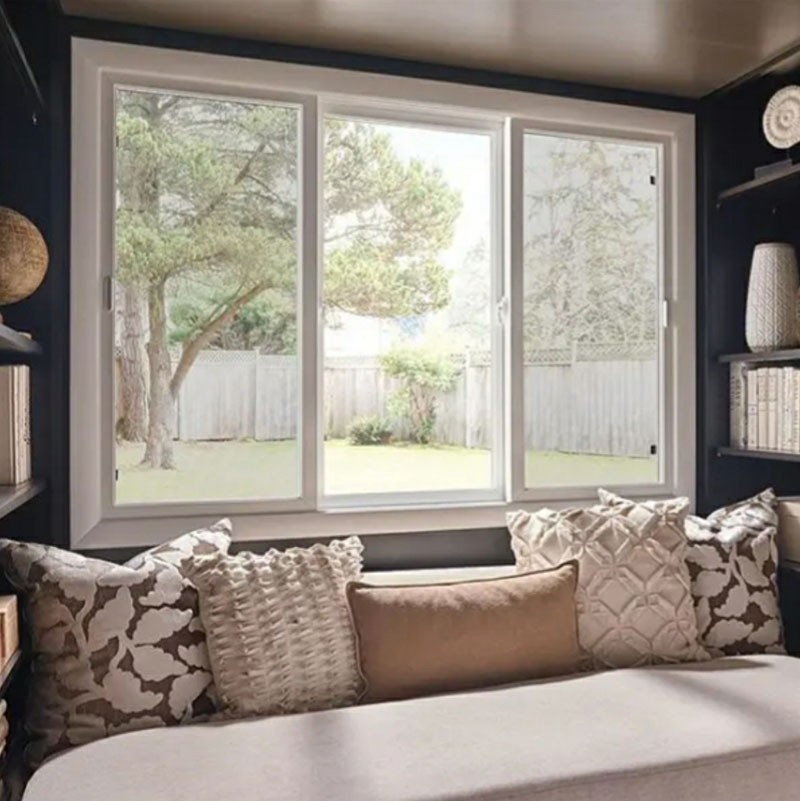
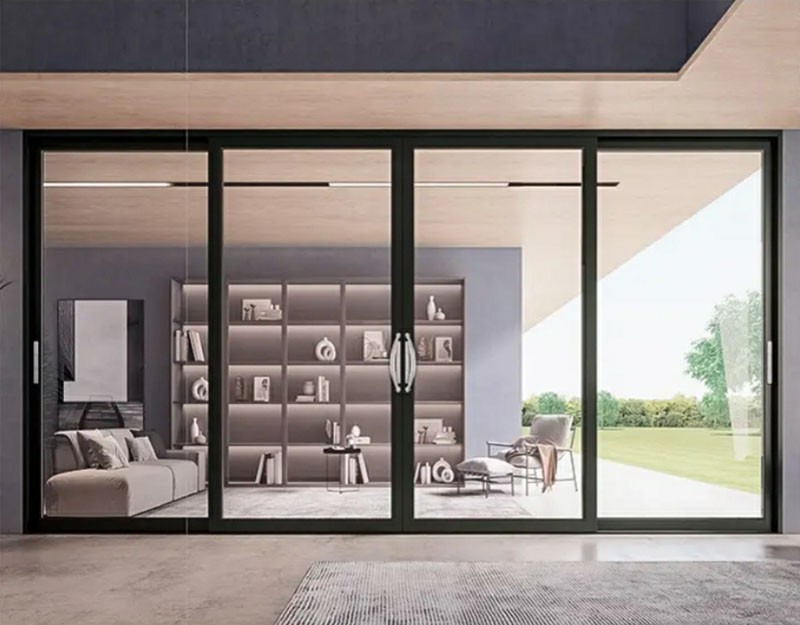
The size of the window can significantly impact the aesthetic appeal of the building. Windows come in various shapes and sizes, and choosing the right size can enhance the overall look of the exterior and interior of the building. For example, Sliding Patio Windows are often used to create a seamless transition between the indoor and outdoor spaces. A well-proportioned patio window can make the living area appear more spacious and inviting.
4. User Comfort
The ease of use and comfort of the window are also important factors to consider. A window that is too large or too heavy may be difficult to open and close, especially for children or elderly people. On the other hand, a window that is too small may not provide enough clearance for easy access. Therefore, it's essential to choose a window size that is suitable for the intended users.
Steps to Adjust Window Size in the Sliding Window Algorithm
1. Measure the Wall Opening
The first step in adjusting the window size is to measure the wall opening accurately. Use a tape measure to measure the width and height of the opening. Make sure to measure at multiple points to account for any irregularities in the wall. It's also important to measure the depth of the opening to ensure that the window frame will fit properly.
2. Determine the Window Type and Style
Based on the measurements and the requirements of the project, determine the type and style of the sliding window that is most suitable. There are various types of sliding windows available, such as single-sliding windows, double-sliding windows, and Gliding Windows. Each type has its own advantages and disadvantages, and the choice will depend on factors such as the size of the opening, the amount of ventilation required, and the aesthetic preferences.
3. Calculate the Optimal Window Size
Once you have determined the window type and style, use the sliding window algorithm to calculate the optimal window size. The algorithm takes into account factors such as the size of the wall opening, the type of glass used, the frame material, and the intended use of the window. By inputting these values into the algorithm, you can obtain the recommended window size that will provide the best balance between functionality, energy efficiency, and aesthetic appeal.
4. Adjust the Window Size
If the calculated window size is different from the standard sizes available in the market, you may need to adjust the window size. This can be done by customizing the window frame or by using a combination of standard-sized windows. When adjusting the window size, make sure to follow the manufacturer's guidelines and ensure that the window is properly installed to maintain its structural integrity and functionality.
5. Test the Window
After the window has been installed, test it to ensure that it operates smoothly and that there are no gaps or leaks. Open and close the window several times to check for any resistance or binding. Also, check for any drafts or water leaks around the window frame. If any issues are detected, make the necessary adjustments to ensure that the window functions properly.
Benefits of Proper Window Size Adjustment
1. Energy Efficiency
Proper window size adjustment can significantly improve the energy efficiency of the building. A well-sized window can reduce heat transfer through the glass, which can lower the heating and cooling costs. For example, in a cold climate, a smaller window with a high-performance glass can prevent heat loss, while in a hot climate, a larger window with a low-emissivity coating can reduce solar heat gain.
2. Improved Comfort
A window that is the right size can provide better ventilation and natural light, which can improve the comfort level of the occupants. Fresh air circulation can reduce the humidity and improve the indoor air quality, while natural light can create a more pleasant and inviting living environment.
3. Enhanced Aesthetic Appeal
A properly sized window can enhance the aesthetic appeal of the building. It can complement the architectural style of the building and create a more harmonious and balanced look. Whether it's a modern or traditional design, the right window size can make a significant difference in the overall appearance of the building.
4. Increased Property Value
Investing in proper window size adjustment can increase the value of the property. A well-designed and energy-efficient window can make the property more attractive to potential buyers, which can result in a higher resale value.
Conclusion
Adjusting the window size in the sliding window algorithm is a crucial step in ensuring the optimal performance of the windows. By considering factors such as structural integrity, ventilation, natural light, aesthetic appeal, and user comfort, and following the steps outlined in this blog, you can achieve the best results. As a sliding window supplier, we are committed to providing high-quality windows and expert advice to help you make the right choices for your project. If you have any questions or need assistance with window size adjustment, please feel free to contact us for a consultation. We look forward to working with you to create a beautiful and energy-efficient living environment.
References
- "Window Sizing Guidelines for Residential Buildings." Building Science Corporation.
- "Energy-Efficient Windows: A Guide for Homeowners." U.S. Department of Energy.
- "Sliding Window Installation Manual." [Manufacturer's Name]