

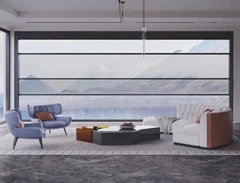
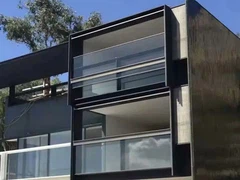


Condensation on panoramic sliding doors can be a frustrating issue for homeowners. Not only does it affect the aesthetic appeal of the doors, but it can also lead to more serious problems such as mold growth and damage to the door frames. As a supplier of high - quality panoramic sliding doors, I understand the importance of helping our customers prevent condensation. In this blog, I will share some effective strategies to tackle this problem.
Understanding Condensation
Before we delve into prevention methods, it's essential to understand what causes condensation. Condensation occurs when warm, moist air comes into contact with a cold surface. In the case of panoramic sliding doors, this usually happens during the colder months or in areas with high humidity. The warm air inside the house hits the cooler glass of the doors, and the moisture in the air turns into liquid water droplets on the surface of the glass.
Choose the Right Type of Panoramic Sliding Doors
One of the first steps in preventing condensation is to select the appropriate type of panoramic sliding doors. We offer a variety of options, such as Long Sliding Glass Doors, Auminum Alloy Sliding Doors, and Rustic Sliding Doors.
- Insulated Glass: Opt for doors with insulated glass units (IGUs). These consist of two or more panes of glass separated by a spacer filled with an insulating gas, usually argon or krypton. Insulated glass reduces heat transfer, keeping the glass surface warmer and less likely to cause condensation. The gas between the panes acts as a barrier, preventing the cold outside air from quickly cooling the inner pane.
- Low - E Coating: Another feature to look for is low - emissivity (Low - E) coating on the glass. This coating reflects infrared radiation, which helps to keep the interior heat inside the house and maintain a more consistent temperature on the glass surface. As a result, the chances of condensation forming are significantly reduced.
Improve Ventilation
Proper ventilation is crucial in preventing condensation on panoramic sliding doors. Here are some ways to enhance ventilation in your home:
- Natural Ventilation: Open windows and doors regularly, especially in areas where moisture is likely to accumulate, such as the kitchen and bathroom. This allows fresh air to circulate and removes the moist air from the house. For example, after taking a shower, open the bathroom window for a few minutes to let out the steam.
- Mechanical Ventilation: Install exhaust fans in the kitchen, bathroom, and laundry room. These fans can quickly remove moisture - laden air from the house. In the kitchen, use the range hood when cooking to extract steam and cooking fumes. In the bathroom, an exhaust fan can be set to run for a certain period after use to eliminate humidity.
- Whole - House Ventilation Systems: Consider installing a whole - house ventilation system. These systems continuously exchange the indoor air with fresh outdoor air, maintaining a healthy and dry indoor environment. There are different types of whole - house ventilation systems, such as mechanical ventilation with heat recovery (MVHR) and exhaust - only ventilation systems. MVHR systems are particularly efficient as they recover heat from the outgoing air and transfer it to the incoming fresh air, reducing energy consumption.
Control Indoor Humidity
Maintaining the right level of indoor humidity is essential for preventing condensation. The ideal indoor humidity level is between 30% and 50%. Here are some ways to control indoor humidity:
- Use a Dehumidifier: In areas with high humidity, such as basements or during the summer months, a dehumidifier can be a great tool. It removes excess moisture from the air, reducing the likelihood of condensation on the panoramic sliding doors. Place the dehumidifier in areas where moisture is a problem, and set it to the appropriate humidity level.
- Avoid Activities that Increase Humidity: Be mindful of activities that generate a lot of moisture, such as drying clothes indoors, boiling large amounts of water, or having too many indoor plants. If you need to dry clothes, use a dryer or hang them outside on a dry day. When boiling water, use a lid on the pot to reduce the amount of steam released into the air.
- Monitor Humidity Levels: Use a hygrometer to measure the indoor humidity level. This simple device can help you keep track of the humidity and take appropriate action if it gets too high. You can find hygrometers at most home improvement stores.
Maintain the Doors Properly
Proper maintenance of your panoramic sliding doors can also help prevent condensation. Here are some maintenance tips:
- Seal the Doors: Check the seals around the doors regularly. Over time, the seals can wear out or become damaged, allowing cold air to enter and warm, moist air to escape. Replace any damaged seals promptly to ensure a tight seal. You can use a silicone - based sealant to repair small gaps or replace the entire weatherstripping if necessary.
- Clean the Glass: Keep the glass clean. Dirt and grime on the glass can affect its ability to transfer heat and may contribute to condensation. Use a mild glass cleaner and a soft cloth to clean the glass regularly. Avoid using abrasive cleaners that can scratch the glass surface.
- Inspect the Frames: Examine the door frames for any signs of damage or rot. Damaged frames can affect the insulation properties of the doors and lead to condensation. If you notice any issues, repair or replace the frames as soon as possible.
Additional Tips
- Use Curtains or Blinds: During the cold months, close curtains or blinds at night. This creates an additional layer of insulation between the cold outside air and the glass, reducing the temperature difference and minimizing the risk of condensation.
- Apply Anti - Condensation Coatings: There are anti - condensation coatings available on the market that can be applied to the glass surface. These coatings work by changing the surface tension of the water droplets, causing them to spread out and evaporate more quickly. However, make sure to follow the manufacturer's instructions when applying these coatings.
In conclusion, preventing condensation on panoramic sliding doors requires a combination of choosing the right doors, improving ventilation, controlling indoor humidity, and proper maintenance. By following these strategies, you can keep your panoramic sliding doors clear of condensation and extend their lifespan.
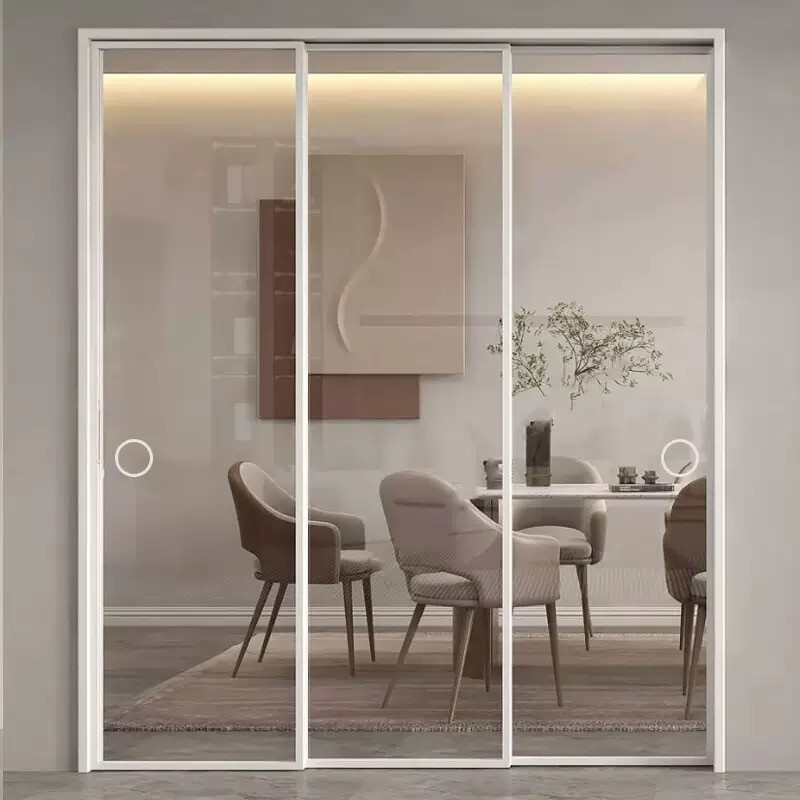
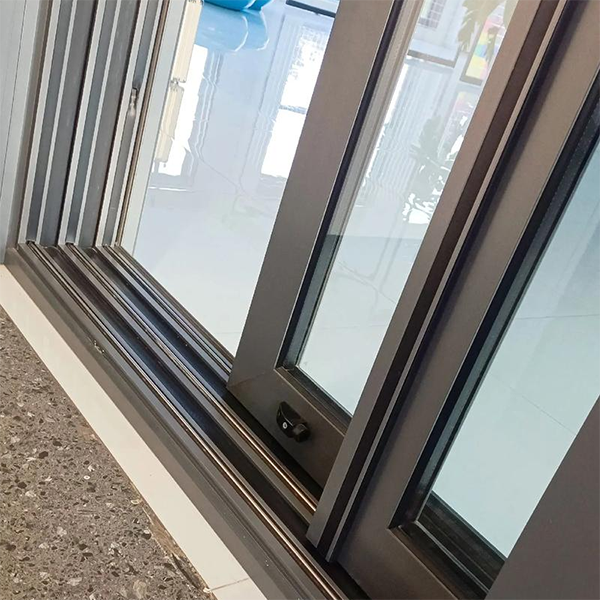
If you are interested in purchasing high - quality panoramic sliding doors or need more advice on preventing condensation, we are here to help. Our team of experts can provide you with detailed information and guide you through the selection process. Contact us for a consultation and let's start the journey to a condensation - free home together.
References
- "Condensation on Windows and Doors: Causes and Solutions." Energy Star.
- "Ventilation in Buildings." World Health Organization.
- "Understanding Insulated Glass Units." Glass Association of North America.