


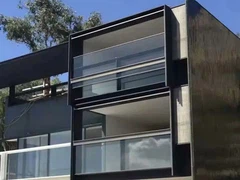

In the realm of architectural and home improvement solutions, sliding windows stand as a popular choice for their functionality, aesthetic appeal, and space - saving design. As a seasoned sliding window supplier, I've witnessed the evolution of this product and understand the importance of not only providing high - quality windows but also guiding customers through various aspects, including how to terminate the sliding window algorithm, which in this context refers to the proper process of concluding the use or installation of sliding windows.
Understanding the Sliding Window Algorithm
Before delving into the termination process, it's crucial to understand what the "sliding window algorithm" means in the context of our products. In computer science, the sliding window algorithm is a technique used for efficient data processing. In the world of sliding windows, the "algorithm" can be thought of as the steps involved in their installation, maintenance, and eventually, their replacement or removal.
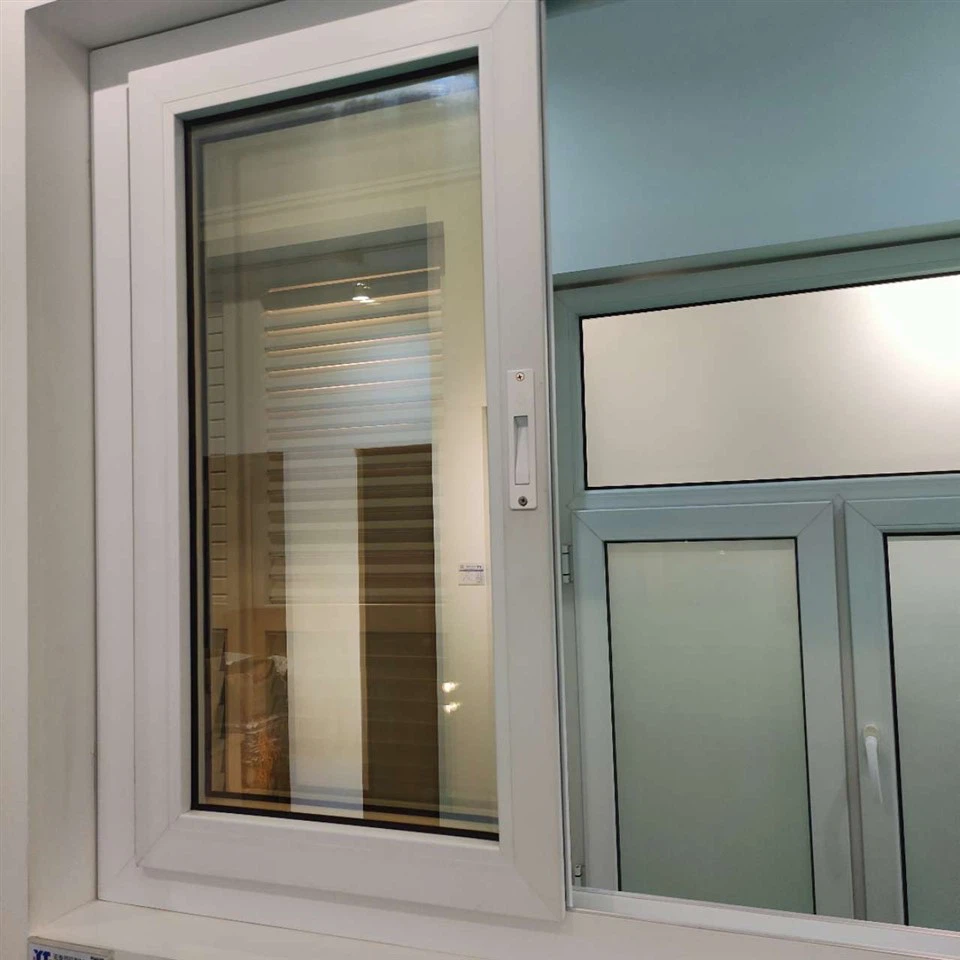
Sliding windows are designed to slide horizontally along a track, providing easy access to fresh air and a clear view. They come in various types, such as 40dB Soundproof Sliding Windows, which are ideal for noise - sensitive environments, Sliding Hatch Windows, known for their unique design and functionality, and Sliding Door Window Tint, which offers privacy and sun protection.

Reasons for Terminating the Sliding Window Use
There are several reasons why one might need to terminate the use of sliding windows. Firstly, wear and tear over time can lead to issues such as difficulty in sliding, air and water leakage, and damage to the window frame or glass. For instance, if the window seals have deteriorated, it can result in energy inefficiency, as heat or cool air can easily escape.
Secondly, changes in the building's design or requirements may necessitate the replacement of sliding windows. A homeowner might decide to renovate their living space and opt for a different window style, such as casement windows, to enhance the overall look of the room.
Thirdly, technological advancements in window manufacturing can make older sliding windows obsolete. Newer models often come with improved energy - efficiency ratings, better security features, and enhanced soundproofing capabilities.
The Process of Terminating Sliding Window Use
1. Assessment
The first step in terminating the use of sliding windows is to conduct a thorough assessment. This involves inspecting the windows for any visible damage, such as cracks in the glass, dents in the frame, or malfunctioning hardware. Check the sliding mechanism to ensure it operates smoothly. If there are any signs of water damage, such as mold growth around the window frame, it's a clear indication that the window needs to be replaced.
2. Planning
Once the assessment is complete, it's time to plan for the termination process. If you're replacing the windows, measure the dimensions of the existing windows accurately to ensure a proper fit for the new ones. Consider the style, material, and features of the replacement windows. For example, if you live in a noisy area, you might want to choose 40dB Soundproof Sliding Windows.
3. Removal
The removal of sliding windows should be done with care to avoid any damage to the surrounding walls or frames. Start by removing the window sashes from the tracks. This usually involves lifting the sashes slightly and tilting them out of the frame. Next, remove any screws or fasteners that hold the window frame in place. Use a pry bar to gently separate the frame from the wall, taking care not to cause any structural damage.
4. Disposal
Proper disposal of the old sliding windows is essential. If the windows are in good condition, they can be donated to a local recycling center or a community organization that accepts building materials. However, if the windows are damaged beyond repair, they should be disposed of according to local waste management regulations.
5. Installation of New Windows
After the old windows are removed and disposed of, it's time to install the new ones. Follow the manufacturer's instructions carefully to ensure a proper installation. Make sure the new windows are level and plumb, and seal them properly to prevent air and water leakage.
Maintenance and Long - Term Considerations
Even after the new sliding windows are installed, regular maintenance is crucial to ensure their longevity. Clean the windows regularly using a mild detergent and a soft cloth. Lubricate the sliding tracks and hardware periodically to keep the windows operating smoothly.
In addition, stay informed about the latest advancements in window technology. As a sliding window supplier, I can provide you with information about new products and features that can enhance the performance of your windows.
Conclusion
Terminating the use of sliding windows is a process that requires careful planning and execution. Whether it's due to wear and tear, design changes, or technological advancements, following the proper steps can ensure a smooth transition from old to new windows. As a trusted sliding window supplier, I'm here to assist you every step of the way. If you're considering terminating the use of your existing sliding windows or are interested in purchasing new ones, please don't hesitate to reach out for a consultation and to discuss your specific needs.
References
- "Window Installation and Replacement Guide" by the National Fenestration Rating Council
- "Energy - Efficient Windows: A Homeowner's Guide" by the U.S. Department of Energy