





Hey there! I'm a supplier of sliding windows, and today I'm super excited to chat with you about how to use sliding windows in artificial immune systems. It might sound a bit like a wild combo at first, but trust me, there's some really cool stuff going on here.
What are Sliding Windows Anyway?
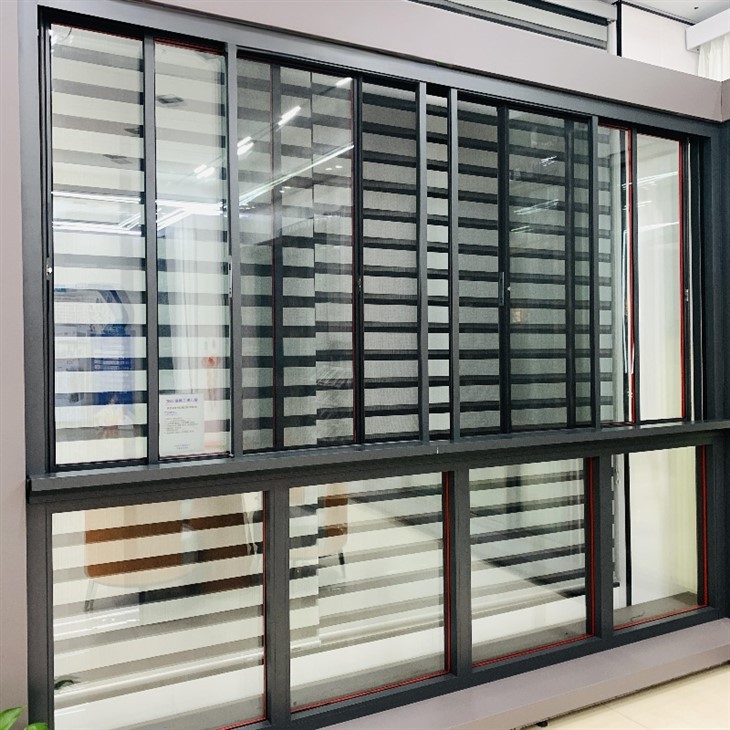
Before we dive into the artificial immune system part, let's quickly talk about sliding windows themselves. As a supplier, I've seen all kinds of sliding windows. You've got the Easy Install Sliding Window, which, as the name suggests, is a breeze to put in. Then there are the Large Sliding Windows For Porch, perfect for those who want to let in a ton of light and have a great view. And don't forget the Horizontal Sliding Storm Windows, which are built to withstand the elements.
Sliding windows are known for their smooth operation. They slide horizontally on tracks, which makes them easy to open and close. They're also a space - saver compared to other types of windows that swing out or in. You can get them in different sizes, materials like wood, vinyl, or aluminum, and various styles to match your home's architecture.
Sliding Windows in Artificial Immune Systems
Now, let's get to the really interesting part - how sliding windows fit into artificial immune systems. Artificial immune systems are inspired by the biological immune system. They're used in computer science and engineering to solve problems like pattern recognition, optimization, and anomaly detection.
In the context of artificial immune systems, a sliding window is a technique that's used to analyze data in a sequential manner. Think of it like a window that moves along a data stream, looking at a fixed - size chunk of data at a time.
Data Analysis
When dealing with large amounts of data, it can be overwhelming to process it all at once. That's where the sliding window comes in. For example, if you're monitoring network traffic to detect anomalies (like a cyber - attack), you can use a sliding window to analyze small segments of the traffic data. Let's say your window size is 100 data packets. The window starts at the beginning of the data stream, takes in those 100 packets, analyzes them for patterns, and then slides over to the next 100 packets.
This approach is efficient because it doesn't require you to store and process the entire data stream at once. It's like taking small bites out of a big cake instead of trying to swallow it whole. In artificial immune systems, this helps in quickly identifying normal and abnormal patterns in the data.
Pattern Recognition
Pattern recognition is another area where sliding windows are useful. In biological immune systems, the immune cells are constantly on the lookout for foreign invaders by recognizing specific patterns. In artificial immune systems, we can use sliding windows to find similar patterns in data.
For instance, in image processing, you can use a sliding window to scan an image. The window can be set to a specific size, say a 10x10 pixel square. As the window moves across the image, it checks the pixel values within that square. If it finds a pattern that matches a pre - defined pattern (like the shape of a face in a facial recognition system), it can flag it.
Advantages of Using Sliding Windows in Artificial Immune Systems
There are several advantages to using sliding windows in artificial immune systems.
Efficiency
As I mentioned earlier, processing data in chunks using a sliding window is much more efficient than processing the entire data set at once. It reduces the memory requirements and speeds up the analysis process. This is crucial when dealing with real - time data, like sensor data from a smart home or financial transaction data.
Adaptability
The size of the sliding window can be adjusted depending on the nature of the data and the problem you're trying to solve. If you're looking for long - term patterns, you can use a larger window. If you're interested in short - term fluctuations, a smaller window would be more appropriate. This adaptability makes sliding windows a versatile tool in artificial immune systems.
Incremental Learning
Sliding windows allow for incremental learning. As the window slides over the data stream, the artificial immune system can continuously update its knowledge about the normal and abnormal patterns. This is similar to how our biological immune system learns and adapts over time.

How to Implement Sliding Windows in Artificial Immune Systems
If you're thinking about implementing sliding windows in an artificial immune system, here are the steps you can follow.
Define the Window Size
The first step is to decide on the size of the sliding window. This depends on the characteristics of your data. If your data has long - term trends, a larger window might be better. For data with rapid changes, a smaller window is more suitable. You might need to do some experimentation to find the optimal window size.
Initialize the Window
Once you've decided on the window size, you need to initialize the window at the start of the data stream. Load the first set of data into the window and start the analysis process.
Slide the Window
After analyzing the data in the current window, move the window to the next set of data. You can do this by removing the oldest data from the window and adding the new data at the end. This ensures that the window always contains the most recent data for analysis.
Update the Artificial Immune System
As the window slides and new data is analyzed, update the artificial immune system. This could involve adjusting the parameters of the system based on the new patterns you've identified.
Real - World Applications
There are many real - world applications where sliding windows in artificial immune systems are used.
Healthcare
In healthcare, sliding windows can be used to analyze patient data. For example, if you're monitoring a patient's vital signs (like heart rate, blood pressure) over time, a sliding window can be used to detect any abnormal changes. The artificial immune system can learn the normal patterns of a patient's vital signs and quickly flag any deviations.
Environmental Monitoring
When it comes to environmental monitoring, sliding windows can analyze data from sensors placed in the environment. For instance, if you're monitoring air quality, the window can analyze the data from air quality sensors over a period of time. It can detect sudden changes in pollutant levels, which could indicate a problem like a factory leak or a forest fire.
Conclusion
So, there you have it - how to use sliding windows in artificial immune systems. It's a fascinating combination of a simple physical object (sliding windows) and a complex computational concept (artificial immune systems). Whether you're a tech enthusiast looking to solve data - related problems or a homeowner in need of a new window, there's something here for you.
If you're interested in our sliding windows for your home or if you have any questions about how sliding windows can be applied in artificial immune systems, feel free to reach out. We're always happy to have a chat and discuss your needs. Let's start a conversation and see how we can work together!
References
- Dasgupta, D. (Ed.). (2006). Artificial Immune Systems and Their Applications. Springer.
- Forrest, S., & Hofmeyr, S. A. (1997). Artificial immune systems: A new computational intelligence approach. IEEE Expert, 12(3), 25 - 32.