

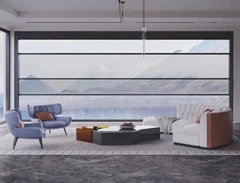
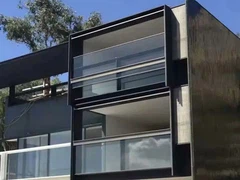

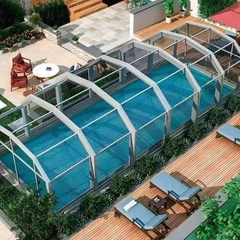
As a leading supplier of panoramic sliding doors, I am often asked about the energy - efficiency labels associated with these products. Energy - efficiency is a crucial aspect of modern construction, and panoramic sliding doors play a significant role in a building's overall energy performance. In this blog, we will explore the various energy - efficiency labels for panoramic sliding doors, what they mean, and how they can impact your purchasing decisions.
Understanding Energy - Efficiency Labels
Energy - efficiency labels are standardized symbols or ratings that provide consumers with information about a product's energy performance. For panoramic sliding doors, these labels help you understand how well the doors can insulate your home or building, reducing heat transfer and ultimately saving on energy costs.
One of the most common energy - efficiency labels is the U - factor. The U - factor measures the rate of heat transfer through a material or assembly, such as a sliding door. A lower U - factor indicates better insulation. For example, a panoramic sliding door with a U - factor of 0.25 will allow less heat to pass through compared to a door with a U - factor of 0.5. This means that in colder months, less heat will escape from your building, and in warmer months, less heat will enter, resulting in lower energy consumption for heating and cooling.
Another important label is the Solar Heat Gain Coefficient (SHGC). The SHGC measures the amount of solar radiation that passes through a door and is absorbed and then released into the interior of a building. A lower SHGC value means that less solar heat will enter the building. This is particularly important in regions with high levels of sunlight, as it can help keep your indoor spaces cooler and reduce the need for air conditioning.
The Visible Transmittance (VT) is also a relevant label. VT measures the amount of visible light that passes through a door. A higher VT value means that more natural light can enter your building, reducing the need for artificial lighting during the day. This not only saves energy but also creates a more pleasant and healthy indoor environment.
Energy - Efficiency Labels and Panoramic Sliding Doors
Panoramic sliding doors are designed to provide a large, unobstructed view of the outdoors while also offering functionality and energy efficiency. The energy - efficiency labels of these doors are influenced by several factors, including the type of glass used, the frame material, and the sealing technology.
When it comes to glass, options such as Glass For Sliding Door can significantly impact energy efficiency. Low - emissivity (Low - E) glass is a popular choice for panoramic sliding doors. Low - E glass has a special coating that reflects infrared radiation, reducing heat transfer while still allowing visible light to pass through. This type of glass can improve the U - factor and SHGC of a door, making it more energy - efficient.
The frame material of panoramic sliding doors also plays a crucial role. Aluminum frames are lightweight and durable, but they can conduct heat more easily compared to other materials. To improve energy efficiency, some aluminum frames are thermally broken. A thermal break is a non - conductive material inserted between the inner and outer parts of the frame, reducing heat transfer. On the other hand, uPVC frames are known for their excellent insulation properties. They have a low thermal conductivity, which helps to keep the indoor temperature stable and reduces energy consumption.
Sealing technology is another factor that affects energy efficiency. High - quality seals around the edges of the door prevent air and water infiltration. This not only improves the energy performance of the door but also enhances its durability and comfort. For example, a well - sealed panoramic sliding door will prevent drafts, which can cause discomfort and increase energy costs.
The Benefits of Energy - Efficient Panoramic Sliding Doors
Investing in energy - efficient panoramic sliding doors offers numerous benefits. Firstly, as mentioned earlier, it can lead to significant energy savings. By reducing heat transfer and solar heat gain, you can lower your heating and cooling costs, which can result in long - term financial savings.
Secondly, energy - efficient doors contribute to a more sustainable environment. By using less energy, you are reducing your carbon footprint and helping to conserve natural resources. This is becoming increasingly important as more and more people are looking for ways to live and build in an environmentally friendly manner.
Thirdly, energy - efficient panoramic sliding doors can enhance the comfort of your indoor spaces. They can maintain a more consistent indoor temperature, reduce drafts, and allow for more natural light, creating a more pleasant and healthy living or working environment.
Safety and Energy Efficiency
Safety is another important aspect when it comes to panoramic sliding doors. Safety Sliding Door options are available that not only meet high safety standards but also offer good energy efficiency. For example, tempered glass is often used in safety sliding doors. Tempered glass is stronger than regular glass and shatters into small, dull - edged pieces when broken, reducing the risk of injury. Additionally, safety features such as multi - point locking systems can enhance the security of the door while also contributing to its energy efficiency by improving the seal.
Insulated Panoramic Sliding Doors
Insulated Sliding Door options are specifically designed to maximize energy efficiency. These doors typically use a combination of high - performance glass, insulated frames, and advanced sealing technologies. Insulated sliding doors can have a very low U - factor, which means they are excellent at preventing heat transfer. This is especially beneficial in extreme climates, where maintaining a comfortable indoor temperature can be challenging.
Making an Informed Decision
When choosing panoramic sliding doors, it is essential to consider the energy - efficiency labels. Look for doors with low U - factors, SHGC values that are appropriate for your climate, and high VT values if you want to maximize natural light. It is also a good idea to ask for independent testing reports to verify the energy performance claims of the doors.


In addition to energy efficiency, consider other factors such as the design, durability, and maintenance requirements of the doors. A well - designed panoramic sliding door should not only be energy - efficient but also enhance the aesthetic appeal of your building.
Contact Us for Purchase and Consultation
If you are interested in purchasing panoramic sliding doors and want to learn more about their energy - efficiency labels and features, we are here to help. Our team of experts can provide you with detailed information about our products, answer your questions, and assist you in making the right choice for your specific needs. Whether you are building a new home, renovating an existing property, or working on a commercial project, we have the right panoramic sliding doors for you. Contact us today to start the conversation and explore the possibilities of energy - efficient panoramic sliding doors for your space.
References
- ASHRAE (American Society of Heating, Refrigerating and Air - Conditioning Engineers). Handbook of Fundamentals.
- Window & Door Manufacturers Association (WDMA). Energy - Efficiency Standards for Windows and Doors.
- International Energy Conservation Code (IECC). Energy - Efficiency Requirements for Building Envelopes.