





The narrow sliding window is a remarkable product in the window industry, known for its slim frames and efficient space - utilization. As a supplier of narrow sliding windows, I'll delve into the key parameters that define these windows, which are essential for both manufacturers and customers to understand.
1. Frame Dimension
The frame dimension is one of the most fundamental parameters of a narrow sliding window. The width and height of the frame must be precisely measured. A narrow sliding window typically features a slimmer frame compared to traditional windows. For instance, the frame width can range from as narrow as 25mm to 50mm in high - end models, which is significantly less than the 70 - 100mm frame width of standard windows.
The height of the frame is often determined by the architectural requirements of the building. Residential applications may commonly use window frames with a height ranging from 1200mm to 2100mm, while commercial buildings might opt for taller frames, up to 3000mm or more. A well - dimensioned frame not only enhances the aesthetic appeal of the window but also ensures its structural integrity. If the frame is too narrow or weak, it may not be able to withstand the normal wear and tear, resulting in premature failure.
2. Glass Thickness
The thickness of the glass used in narrow sliding windows is another crucial parameter. It affects several aspects such as insulation, noise reduction, and safety. Generally, the glass thickness can vary from 4mm to 12mm or even more, depending on the specific needs.
For basic residential applications, a 4 - 6mm single - pane glass may be sufficient. However, in areas with extreme weather conditions or high noise levels, double - or triple - pane glass with a total thickness of 12 - 24mm is often recommended. For example, a double - pane glass with two 6mm panes separated by a 6mm air gap provides excellent thermal insulation and noise reduction. This type of glass helps to keep the indoor temperature stable, reducing energy consumption for heating and cooling. Moreover, thicker glass also offers better safety as it is more resistant to breakage.
3. Track System
The track system is the component that enables the smooth sliding of the narrow window. There are two main types of track systems: single - track and multi - track. A single - track system allows one sash to slide, while a multi - track system can accommodate two or more sashes, providing more flexibility in terms of ventilation and opening area.
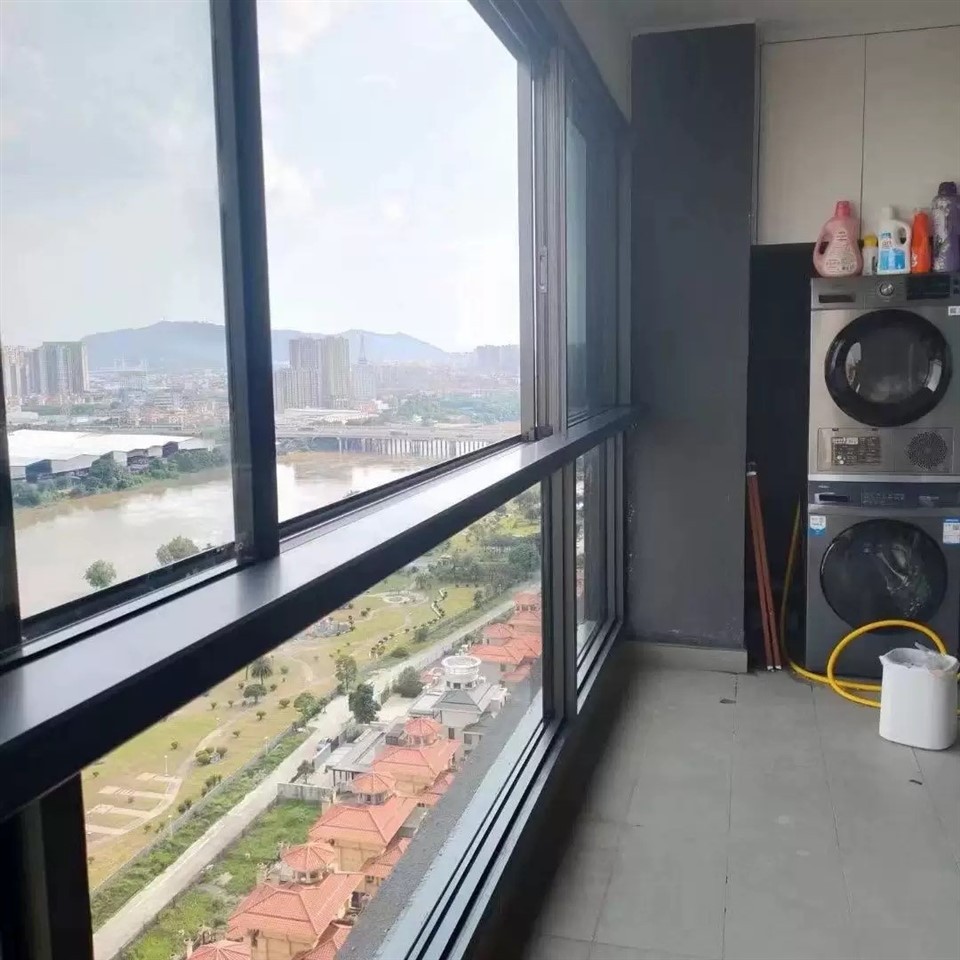

The quality of the track is vital. High - quality tracks are made of durable materials, such as stainless steel or aluminum alloy, which can withstand continuous use without deforming. The track should also have a smooth surface finish to ensure effortless operation. Additionally, the track's length and width are designed to match the size of the window sash. A well - designed track system not only enhances the functionality of the window but also adds to its longevity. You can explore more about sliding windows with advanced track systems at Sliding Window With Lock.
4. Sealing Performance
Good sealing performance is essential for narrow sliding windows. It helps to prevent air and water infiltration, which is crucial for energy efficiency and the protection of the interior from the elements. There are two main types of seals used in these windows: weatherstripping and gaskets.
Weatherstripping is usually made of rubber or foam and is installed along the edges of the sash. It provides a barrier against air and water when the window is closed. Gaskets, on the other hand, are often used at the joints between the frame and the sash. They are designed to be compression - resistant and can maintain a tight seal even under pressure. A window with high - quality seals can reduce energy loss by up to 30% compared to a poorly - sealed window.
5. Locking Mechanism
A reliable locking mechanism is a must - have for narrow sliding windows, especially for security reasons. There are various types of locking mechanisms available, such as surface - mounted locks, key - operated locks, and multipoint locks.
Surface - mounted locks are the simplest and most commonly used type. They are easy to install and operate. Key - operated locks provide an extra layer of security as they require a key to unlock. Multipoint locks are the most secure option, as they engage at multiple points along the window sash, making it much more difficult to force open. When choosing a locking mechanism, it is important to consider the level of security required and the compatibility with the window design.
6. Standard Sizes
Understanding standard sliding window sizes is important for both manufacturers and customers. Standard sizes ensure compatibility with building structures and make installation easier. Common widths for narrow sliding windows range from 600mm to 1800mm, and common heights range from 900mm to 2100mm.
However, custom sizes are also available to meet specific architectural requirements. You can find more detailed information about Standard Sliding Window Sizes. These standard sizes are based on industry norms, which help in streamlining the production process and ensuring a good fit for most applications.
7. Horizontal Sliding Feature
Narrow sliding windows are often horizontal sliding windows. The horizontal sliding feature offers several advantages. It allows for easy operation, especially for large windows, as the sash can be easily moved from side to side. Horizontal sliding windows also provide a larger unobstructed view compared to vertical sliding windows, as there are no vertical dividers in the viewing area.
Moreover, they are more suitable for installation in areas with limited vertical space. If you are interested in horizontal sliding windows, you can explore more at Horizontal Sliding Windows. This type of window is favored in modern architecture for its sleek appearance and practicality.
In conclusion, when considering a narrow sliding window, these key parameters should be carefully evaluated. As a supplier, we understand the importance of these parameters and are committed to providing high - quality products. Whether you are an architect designing a new building, a homeowner looking to upgrade your windows, or a contractor in the construction business, choosing the right narrow sliding window can make a significant difference in terms of aesthetics, functionality, and energy efficiency.
If you have an interest in our narrow sliding window products, we encourage you to reach out for procurement discussions. We are ready to offer professional advice and premium solutions tailored to your specific needs.
References
- Industry standards for window manufacturing and design.
- Research papers on energy - efficient building envelopes and window technologies.